
Hair Loss and Mental Health: The Psychological Impact
The Silent Struggle: Hair Loss Influence on Mental Health
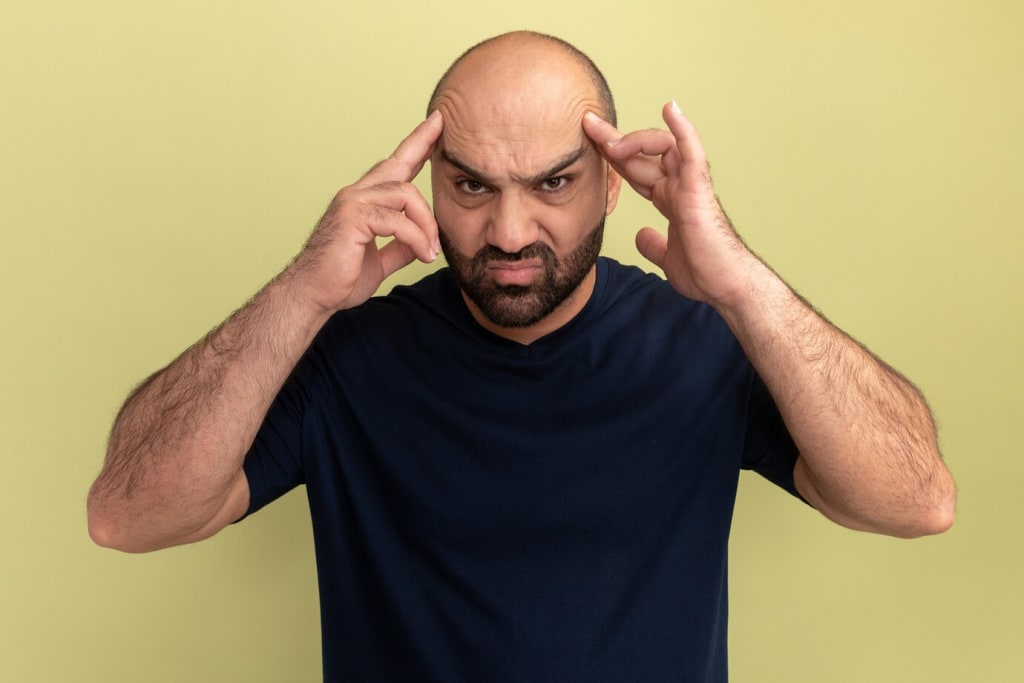
Hair loss is a common experience that affects millions of people around the world, transcending age, gender, and ethnicity. While often viewed primarily as a cosmetic issue, the psychological impact of hair loss can be profound, influencing self-esteem, emotional well-being, and overall quality of life. This article explores the complex relationship between hair loss and mental health, shedding light on the emotional challenges many individuals face.
Understanding the Emotional Toll
For many, hair is more than just a physical feature; it is closely tied to identity and self-image. The loss of hair can evoke a range of emotional responses:
- Reduced Self-Esteem: Hair loss can lead to feelings of inadequacy and self-doubt. Many people associate a full head of hair with youthfulness and attractiveness, and losing this attribute can significantly diminish self-confidence.
- Social Anxiety: Individuals experiencing hair loss may feel self-conscious in social situations. They might worry about how others perceive them, leading to avoidance of social gatherings and, in some cases, isolation.
- Depression: The emotional burden of hair loss can contribute to feelings of sadness or hopelessness. Some individuals may develop clinical depression as they struggle to cope with their changing appearance.
- Stress and Anxiety: The concern over hair loss can create a cycle of stress and anxiety. Worrying about further hair loss can exacerbate the issue, leading to more significant emotional distress.
The Impact on Different Groups
Hair loss affects individuals in various ways, depending on their age, gender, and cultural background:
- Women: For many women, hair is often linked to femininity and beauty. Female pattern hair loss can lead to a profound identity crisis, as societal standards frequently equate hair with attractiveness.
- Men: While societal expectations for men may be different, male pattern baldness can still lead to significant psychological distress. Many men feel pressured to maintain a youthful appearance, and hair loss can trigger feelings of aging or inadequacy.
- Younger Individuals: Adolescents and young adults experiencing hair loss may face unique challenges. The teenage years are already fraught with self-discovery, and hair loss can exacerbate feelings of insecurity and exclusion.
Seeking Support and Treatment

Recognizing the emotional impact of hair loss is the first step toward healing. Here are some ways to seek support and address mental health concerns:
- Professional Counseling: Speaking with a therapist or counselor can help individuals process their feelings about hair loss. Cognitive-behavioral therapy (CBT) is particularly effective in addressing negative thought patterns and boosting self-esteem.
- Support Groups: Connecting with others who share similar experiences can be incredibly beneficial. Support groups provide a safe space for individuals to share their stories, challenges, and coping strategies.
- Education: Understanding the causes and treatment options for hair loss can empower individuals. Knowledge can help reduce feelings of helplessness and provide a sense of control over one’s situation.
- Exploring Treatment Options: For those seeking solutions, various treatments, including medications, topical solutions, and hair transplants, are available. Consulting with a qualified specialist can help determine the best course of action.
Practical Coping Strategies
While the emotional impact of hair loss can be significant, there are practical steps individuals can take to manage their feelings:
- Focus on Positives: Engage in activities that boost confidence and self-worth, such as pursuing hobbies, volunteering, or exercising.
- Mindfulness and Relaxation Techniques: Practices like meditation, yoga, or deep-breathing exercises can help alleviate stress and improve overall mental well-being.
- Self-Compassion: Embrace your unique qualities and recognize that self-worth extends beyond appearance. Affirmations and positive self-talk can foster a healthier self-image.
- Stay Connected: Maintain social connections, even if it feels challenging. Surrounding yourself with supportive friends and family can provide comfort and reassurance.
Conclusion
Hair loss can have a profound psychological impact, affecting self-esteem, mental health, and overall quality of life. By acknowledging the emotional challenges associated with hair loss and seeking support, individuals can find ways to cope and reclaim their sense of self. Whether through professional help, community support, or personal coping strategies, it is essential to remember that you are not alone on this journey. Addressing both the physical and emotional aspects of hair loss is crucial for fostering resilience and promoting mental well-being.
About the Creator
John Francis
A blogger with expertise in Senior Living and Retirement Life, with a passion for brake myths and advocating transparency of education about the new beginning of life after retirement.
Keep reading
More stories from John Francis and writers in Lifehack and other communities.
Hair Transplant Success Stories: Real-Life Transformations and Renewed Confidence
Hair transplants have come a long way from the early days of basic procedures, evolving into a highly effective solution for those dealing with hair loss. The advancement of techniques like Follicular Unit Extraction (FUE) and Follicular Unit Transplantation (FUT) has enabled patients to achieve natural-looking results, regaining both their hair and confidence. Behind every procedure is a success story—a journey of transformation that goes beyond just physical appearance.
By John Francisabout a year ago in Lifehack
So You Decided To Become a Nurse Practitioner:
So you decided to become an "Advanced Practice" nurse. Congratulations!... is what I would say if this was a good idea. Grad school? In this economy? What were you thinking? Likely it was something along the lines of either 1) “I've seen these other chucklefucks do it— Why can't I?” or even 2) “I've got a nice career, I should shake it up. I miss feeling like I have no clue what I'm doing.”
By Sandor Szabo5 days ago in Fiction




Comments (1)
Hey, just wanna let you know that this is more suitable to be posted in the Psyche or Longevity community 😊