
Principles for weight loss without exhaustion
To avoid fatigue while reducing body weight, it’s important not to skip meals, increase fiber and protein intake, set realistic goals, and follow medical guidance.

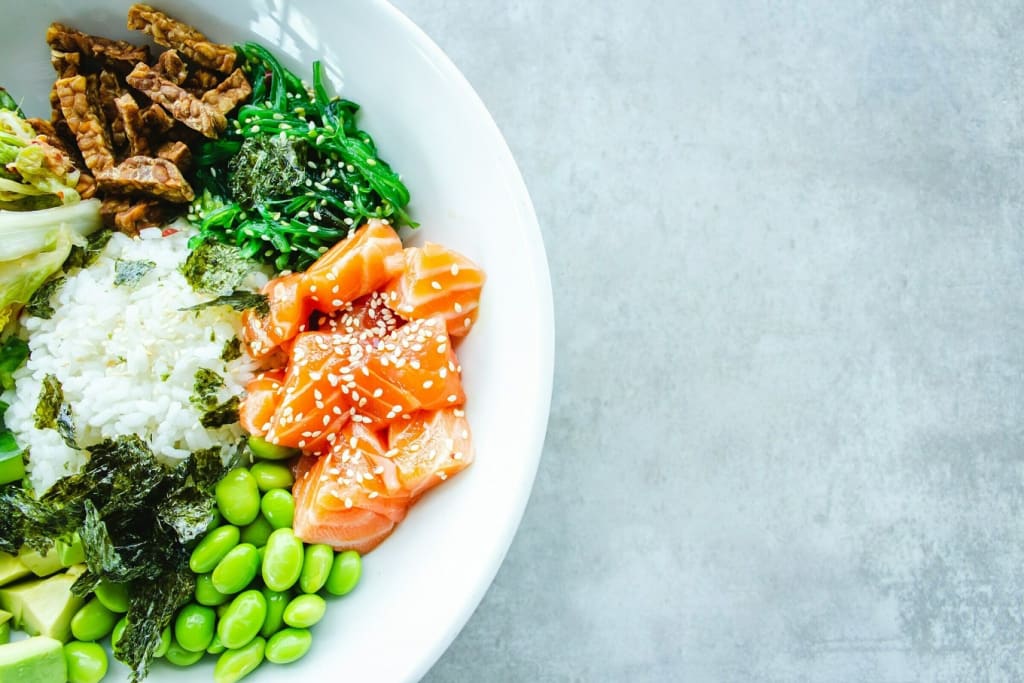
Dr. Tran Thi Tra Phuong from the Department of Dietetics and Nutrition at Tam Anh General Hospital in Hanoi advises that those seeking weight loss should gradually reduce excess calorie intake. A sudden decrease can lead to fatigue, so pairing dietary adjustments with a medically guided exercise routine can yield effective results without health risks.
Here are recommendations to help those who want to lose weight without experiencing fatigue:
1. Avoid skipping meals
Excessive calorie intake over time often leads to overweight and obesity. The fundamental approach to weight loss is to balance or lower calorie intake compared to energy use. This can be achieved by reducing portion sizes and opting for low-calorie foods.
However, reducing energy intake should not mean skipping meals or fasting, as this can lead to fatigue when the body struggles to adjust to a sudden energy drop.
2. Increase fiber and protein intake while limiting carbohydrates
Green vegetables, low-calorie fruits, and root vegetables provide fiber, which helps sustain fullness. Fiber aids digestion and boosts metabolism, while protein from sources like white meat, eggs, beans, and nuts helps control hunger and maintain muscle mass, which is essential for a healthy metabolism.
To manage carbohydrate intake, it’s best to choose low-glycemic index carbs, such as whole grains, barley, and brown rice, to maintain energy levels without causing blood sugar spikes.
By consuming vegetables before the main course, digestive activity is stimulated, allowing the body to absorb nutrients more effectively. Because vegetables are high in fiber and have a soft texture, this process is gentle on the digestive system. In contrast, starting with rice and meat requires the stomach lining to release more gastric juices to break down these denser, drier foods, which can potentially cause stomach discomfort or pain.
3. Lose weight gradually
Rapid weight loss can leave the body struggling to adapt, causing fatigue and exhaustion. Additionally, skin can become dry and saggy without enough essential fats. Therefore, you should not opt for it.
Incorporating healthy fats, such as those from fish, nuts, and olive oil, into your diets are important for smooth skin and nutrient absorption.
4. Stay hydrated by drinking enough water daily
Drinking about two liters of water per day supports metabolism and replaces fluids lost during physical activities. Water is essential for bodily functions, detoxification, preventing dehydration, and reducing hunger.
5. Exercise healthily
Exercise helps burn calories and improve overall health. Those looking to lose weight should choose activities suited to their health, such as walking, swimming, or yoga, and maintain a moderate intensity. Gradually increasing the duration and intensity of workouts is advised to avoid exhaustion and ensure long-term success.
In general, people who are overweight or obese should seek medical guidance for safe weight loss. Doctors may use technology to analyze body composition or conduct micronutrient tests to identify deficiencies or excesses. Based on these findings, a doctor can recommend a specific nutrition plan and prescribe targeted treatments to help patients lose weight safely.
What should I eat to feel full longer and lose weight?
One of the diet methods designed to promote long-lasting fullness is based on research conducted at Laval University in Canada. Researchers there developed this plan to create a healthy, flexible eating strategy that encourages prolonged satiety, allowing it to be followed over the long term.
People on this diet are advised to have three meals a day, each containing 500 calories or less, with a macronutrient ratio of 20-25% protein, 45-50% carbohydrates, and 30-35% fat. Although additional food is allowed if desired, the plan is structured to make you feel satisfied enough that you won’t crave more.
This diet emphasizes low-calorie foods with low glycemic indexes, such as leafy vegetables, whole grains (brown rice, barley, whole wheat pasta), lean proteins (fish, meat, eggs, dairy products), nuts, legumes (lentils, peas), and some fruits.
Moreover, because this diet combines fiber, fat, and protein—essential components that help you feel full—it helps maintain that fullness for a longer period than meals rich in refined carbohydrates. The plant-based ingredients in this diet not only promote weight loss but also significantly lower the risk of chronic diseases and other adverse health effects.
One of the main benefits of this satiety-promoting diet is its satisfaction-based approach. For those who find it challenging to stick to three strict meals, this plan can be appealing, as it encourages healthy snacking and allows for longer intervals between meals. In addition to food choices, the way you eat is crucial. Experts recommend eating slowly and paying attention to your body’s signals, especially regarding feelings of fullness
About the Creator
1love - Hẹn hò kết bạn
1Love - App hẹn hò, kết bạn sẽ giúp mọi người tìm kiếm những mối quan hệ chân thành và bền vững.
Website: https://1love.com.vn/
Keep reading
More stories from 1love - Hẹn hò kết bạn and writers in Lifehack and other communities.
Moving Across Boise Without the Stress: What Most People Don’t Plan For
Moving within the same city often feels easier than it actually is. Many people assume that a short distance means fewer complications, but local moves come with their own challenges. In Boise, factors like traffic flow, neighborhood layouts, parking access, and timing can quickly turn a simple relocation into a stressful experience if they’re not considered ahead of time.
By House Doctor3 days ago in Lifehack
Day One Is Too Late
The first week at a new job used to be about paperwork, awkward introductions, and the slow realization that no one had actually prepared for the new hire’s arrival. The desk might be empty, the login credentials delayed, the training materials outdated... Everyone involved would shrug and say it was just how things were done. But the cost of that approach, which typically translates into lost momentum, frustration, and the quiet erosion of trust, was always there, even if it went unmeasured.
By Angela Ashabout 17 hours ago in Lifehack
One Hard Thing
Stop me if you’ve heard this one before: You have the number, you know your schedule- you’ve even picked out the perfect day and time to make this appointment. Shoot, you’ve even picked out alternative days and times just in case their schedules can’t accommodate you!
By Taylor Rigsby6 days ago in Motivation


Comments
There are no comments for this story
Be the first to respond and start the conversation.