
Pancreatic Cancer Cure: What Science Says About Treatment, Survival, and Hope
Is there a cure for pancreatic cancer, or are breakthroughs finally changing the outlook?

Pancreatic cancer is one of the most feared cancer diagnoses in the world. With low early-detection rates and aggressive progression, many people search the same urgent question online: Is there a pancreatic cancer cure?
The honest answer is complex. While there is no universal cure yet, medical advances in surgery, chemotherapy, immunotherapy, and early detection are dramatically improving outcomes for some patients. Understanding what “cure” really means in pancreatic cancer is essential for patients, caregivers, and anyone seeking reliable information.
Is There a Cure for Pancreatic Cancer?
Currently, there is no guaranteed cure for pancreatic cancer, especially in advanced stages. However, long-term remission and potential cure are possible in certain cases—primarily when the cancer is detected early and surgically removed.
Doctors typically define a “cure” as complete removal of cancer with no recurrence over many years. Because pancreatic cancer is often diagnosed late, fewer patients qualify for curative treatment—but this is slowly changing.
When Pancreatic Cancer Can Be Curable
Pancreatic cancer may be potentially curable if:
The cancer is confined to the pancreas
It has not spread to major blood vessels or distant organs
The patient is healthy enough for surgery
Only about 15–20% of patients are diagnosed early enough for surgery, which remains the only treatment with curative potential.
Surgery: The Closest Thing to a Cure
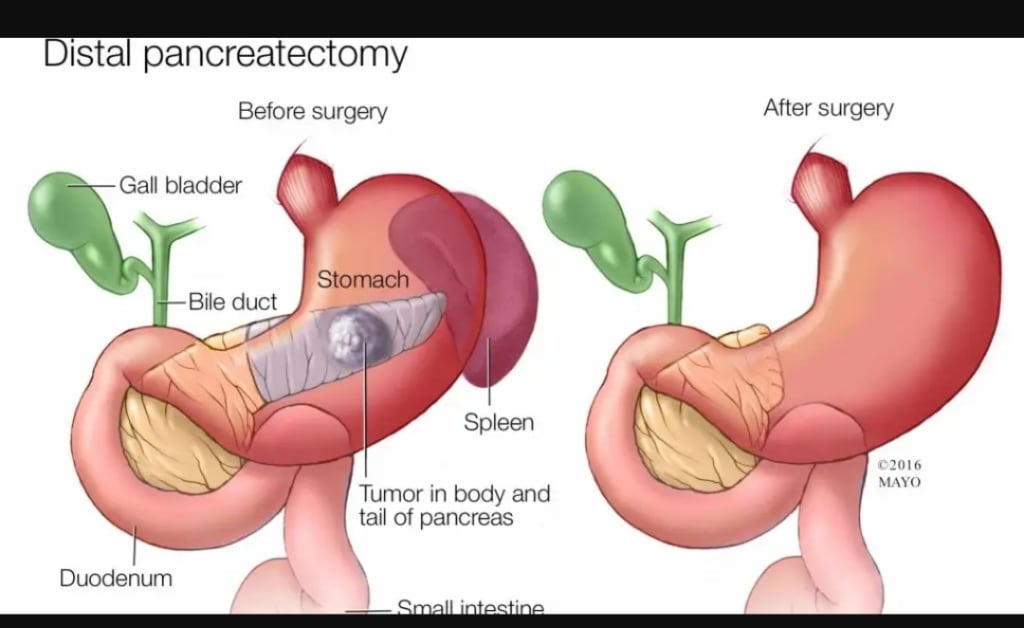
The most effective curative treatment is the Whipple procedure (pancreaticoduodenectomy). This complex surgery removes part of the pancreas along with surrounding tissues.
When combined with chemotherapy, surgery can significantly extend survival. Some patients live 10 years or more after successful treatment, which doctors consider a functional cure.
However, pancreatic surgery is demanding and requires highly specialized medical centers, limiting access for some patients.
Chemotherapy and Radiation: Extending Survival
For patients who cannot undergo surgery, chemotherapy is the primary treatment. Modern drug combinations such as FOLFIRINOX and gemcitabine-based therapies have improved survival compared to older treatments.
Radiation therapy may be used:
Before surgery to shrink tumors
After surgery to reduce recurrence risk
To relieve symptoms in advanced disease
While these treatments may not cure pancreatic cancer on their own, they slow disease progression and improve quality of life.
Immunotherapy: Why It’s Challenging
Immunotherapy has revolutionized treatment for many cancers—but pancreatic cancer has proven resistant. The tumor creates a protective microenvironment that blocks immune response.
That said, a small subset of patients with specific genetic mutations (such as MSI-high tumors) may benefit from immune checkpoint inhibitors. Research is ongoing to overcome pancreatic cancer’s immune resistance.
Targeted Therapy and Precision Medicine
One of the most promising advances is genetic testing. Around 10% of pancreatic cancers are linked to inherited mutations such as BRCA1 or BRCA2.
For these patients, PARP inhibitors and targeted therapies can significantly improve outcomes. Precision medicine allows doctors to tailor treatment based on the tumor’s genetic profile—bringing medicine closer to personalized cures.
Early Detection: The Biggest Missing Piece
Early detection remains the greatest challenge—and the greatest opportunity. Pancreatic cancer rarely causes symptoms until advanced stages.
Researchers are developing:
Blood-based biomarkers
AI-assisted imaging
High-risk screening for genetic carriers
If pancreatic cancer could be detected early, cure rates would rise dramatically.
Alternative and “Natural” Cure Claims: A Warning
Searches for “pancreatic cancer cure” often lead to claims about natural remedies or miracle treatments. There is no scientific evidence that diet changes, supplements, or alternative therapies can cure pancreatic cancer.
These approaches may support well-being but should never replace medical treatment. Relying on unproven cures can delay life-saving care.
Survival Rates Are Improving
While pancreatic cancer remains serious, survival is improving:
5-year survival rate is now over 12%, up from just 3% decades ago
Patients diagnosed early have much higher survival odds
Clinical trials are expanding treatment options worldwide
Progress may be gradual, but it is real.
Conclusion: Is a Pancreatic Cancer Cure Possible?
So, is there a pancreatic cancer cure?
Not yet—for everyone. But for some patients, early surgery combined with modern therapies can lead to long-term remission that functions as a cure. Advances in genetics, targeted therapy, and early detection are steadily closing the gap.
Pancreatic cancer research is accelerating, and while the disease remains one of the toughest challenges in oncology, hope is stronger today than ever before.
Min lollq
About the Creator
Asad Ali
I'm Asad Ali, a passionate blogger with 3 years of experience creating engaging and informative content across various niches. I specialize in crafting SEO-friendly articles that drive traffic and deliver value to readers.
How to choose alpine skis?
Before the start of the winter season, it is important not only to decide on the place of future rest, but also to choose the right alpine skis. Moreover, not only the manufacturing company matters, but also the length, type of equipment, etc. Let's see what types of skis exist and how to choose them correctly.
By Olaf Podolski6 days ago in Lifehack
Why Creators Feel Rushed in the Age of Endless Content
Not long ago, creative work followed a slower, more deliberate rhythm. Artists had time to sit with ideas, revise them, and release their work when it felt ready. Today, that rhythm has changed. Creativity now lives inside an attention-driven digital world where timing often matters as much as talent.
By Beat Viz aia day ago in Lifehack



Comments
There are no comments for this story
Be the first to respond and start the conversation.