
Overcoming the Shadows: A Comprehensive Guide to Managing Depression and Anxiety
Practical Steps and Insights to Reclaim Your Peace of Mind

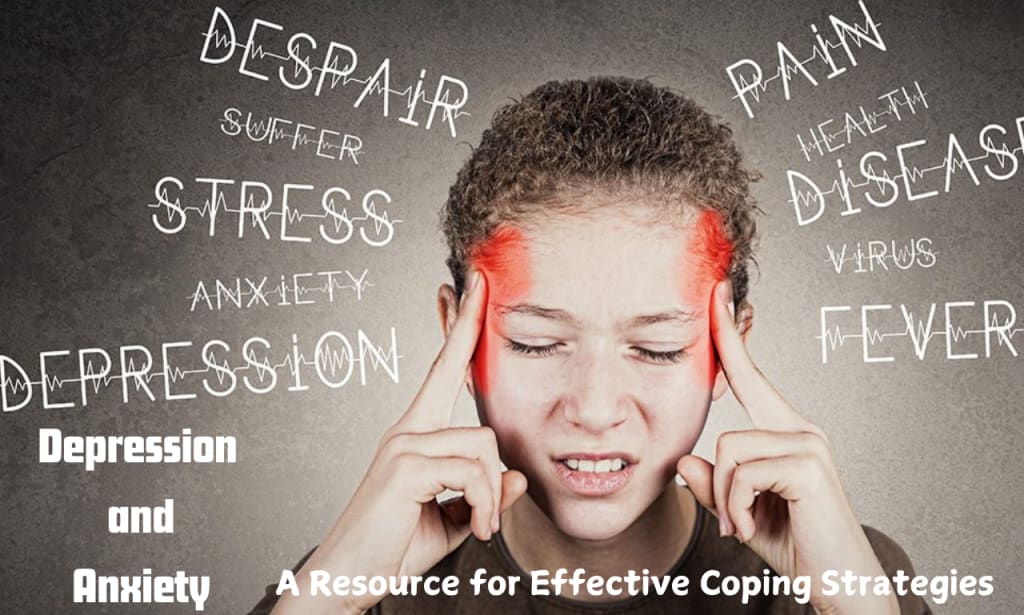
Depression and anxiety are two of the most prevalent mental health challenges, impacting millions worldwide. While they can feel overwhelming, understanding their causes and adopting strategies to manage them can make a world of difference. Here, we delve into actionable steps and techniques to overcome these mental health hurdles.
1. Acknowledge the Issue
The first step in overcoming depression and anxiety is recognizing and accepting their presence. It's essential to understand that seeking help is not a sign of weakness but a brave acknowledgment of a problem that requires attention. Suppressing emotions or denying the issue often exacerbates the symptoms.
2. Seek Professional Help
Mental health professionals such as therapists, psychologists, and psychiatrists can provide tailored guidance and support. Therapy methods like Cognitive Behavioral Therapy (CBT) have proven effective in identifying negative thought patterns and replacing them with healthier ones. In severe cases, medication prescribed by a licensed professional can provide relief and stability.
3. Build a Support Network
Talking to trusted friends, family members, or support groups can create a safe space to share feelings without judgment. Sometimes, simply voicing your struggles can lighten the emotional burden. Support networks remind you that you are not alone in your journey.
4. Adopt Healthy Lifestyle Changes
Lifestyle adjustments play a critical role in managing mental health:
Exercise Regularly: Physical activity releases endorphins, the body's natural mood elevators. Activities like walking, yoga, or even dancing can improve both physical and mental health.
Eat a Balanced Diet: Certain foods rich in omega-3 fatty acids, vitamins, and minerals can boost brain health. Avoid excessive sugar and caffeine, which may worsen anxiety.
Sleep Well: Aim for 7-9 hours of quality sleep nightly. A regular sleep schedule helps regulate mood and energy levels.
5. Practice Mindfulness and Relaxation Techniques
Mindfulness techniques, such as meditation, deep breathing exercises, and progressive muscle relaxation, can reduce anxiety and bring clarity to your thoughts. Apps like Calm or Headspace offer guided meditations, making it easier to get started.
6. Challenge Negative Thoughts
Depression often brings a barrage of negative thoughts. Identifying and challenging these can reduce their impact. Keep a journal to note down negative thoughts and counter them with evidence-based affirmations. For instance, replace “I’ll never succeed” with “I’ve faced challenges before and overcome them.”
7. Set Small, Achievable Goals
Depression can make even simple tasks feel monumental. Break tasks into smaller, manageable steps, and celebrate each accomplishment, no matter how minor. This builds momentum and restores a sense of control.
8. Limit Stressors and Triggers
Identify what triggers your anxiety or worsens your depression. Whether it’s a toxic environment, excessive workload, or unhealthy relationships, take steps to minimize these stressors. Learning to say "no" is an essential skill to protect your mental health.
9. Engage in Meaningful Activities
Hobbies and activities that spark joy or provide a sense of purpose can uplift your mood. Whether it’s painting, gardening, or volunteering, engaging in meaningful pursuits fosters positivity and reduces feelings of helplessness.
10. Be Patient and Compassionate With Yourself
Overcoming depression and anxiety is not an overnight process. Some days will be better than others, and setbacks are part of the journey. Treat yourself with kindness and remember that progress, no matter how slow, is still progress.
11. Consider Alternative Therapies
Alternative approaches like art therapy, music therapy, or animal-assisted therapy can complement traditional treatments. Practices such as acupuncture or aromatherapy may also help alleviate symptoms for some individuals.
12. Know When to Seek Immediate Help
If feelings of hopelessness persist or suicidal thoughts arise, seek immediate assistance. Helplines and crisis centers exist to provide support in critical times. Remember, reaching out for help is a courageous act of self-care.
A Brighter Path Ahead
Depression and anxiety may feel insurmountable, but with the right strategies, support, and patience, they can be managed. Taking small steps toward self-care, seeking professional help, and leaning on loved ones can transform the darkest days into opportunities for growth and healing.
About the Creator
mureed hussain
Hi, I’m a creative writer passionate about health & wellness, love, longevity, aging, and pet care. With extensive Quora experience, I craft engaging posts, thoughtful questions, and insightful answers.
Find me at>>[email protected]
Keep reading
More stories from mureed hussain and writers in Lifehack and other communities.
Unraveling the Mystery of Immunity: How the Body Responds to Allergens vs. Pathogens
Introduction The immune system is a marvel of nature, constantly safeguarding the body from potential harm. However, its responses can sometimes feel paradoxical. For instance, why does it react so strongly to harmless allergens like pollen while employing a strategic approach against harmful pathogens like bacteria or viruses? The key lies in understanding how the immune system distinguishes between antigens associated with allergies and pathogens in infections. This article delves into these differences, shedding light on the unique and complex workings of our immune defenses.
By mureed hussainabout a year ago in Lifehack
Do You have a Support Network?
Life is harder when you’re on your own. Human beings are social creatures, and we usually feel better when we have support from a strong social network around us. For most people, it’s our families that hold us together like glue.
By Elizabeth Woodsabout 23 hours ago in Psyche



Comments (1)
This post offers such a thoughtful and comprehensive approach to managing depression and anxiety. I especially appreciate how it emphasizes both professional help and self-care strategies in a balanced way. It’s so important to acknowledge that seeking help is an act of strength, not weakness. The practical tips—like challenging negative thoughts, setting small goals, and building a support network—feel really actionable and empowering. It’s a reminder that even small steps can create meaningful change over time. Thank you for highlighting both the importance of mental health and the tools we can use to nurture our well-being.