
Over-Fibered Foods: Buyer Beware
Why “Fibermaxxing” Can Backfire on Your Health

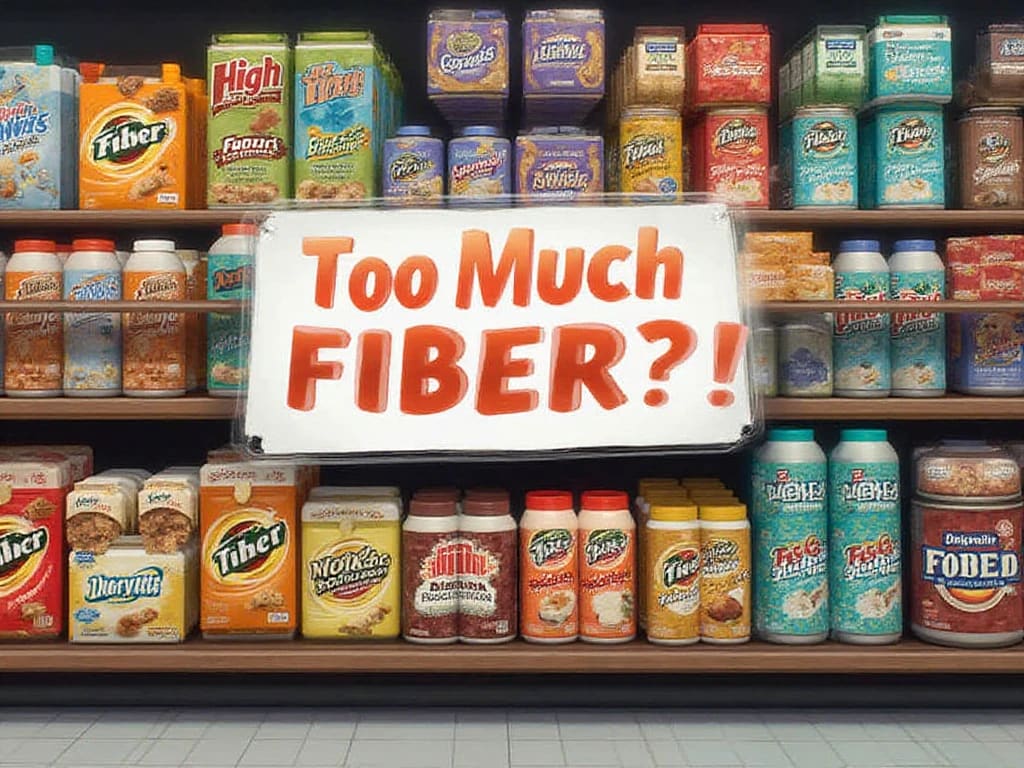
Fiber is generally hailed as a nutritional hero. Doctors and dietitians have ordered up more fiber for decades to improve digestion, lower cholesterol, control blood sugar, and even ward off certain cancers. Naturally high-fiber foods like legumes, lentils, vegetables, and whole grains are staple ingredients of a healthy diet.
Now, though, a new trend called "fibermaxxing" is sweeping social media feeds and supermarket shelves. The idea is simple: more fiber, more health. Companies are adding engineered fibers like inulin, chicory root fiber, and resistant starch to snack bars, sodas, protein powders, and even candy. Influencers promise better digestion, faster weight loss, and "biohacked" energy.
On the surface, it's great news. Who wouldn't want to enjoy the benefits of fiber without having to eat a bowl of lentils or greens? Doctors are beginning to sound the alarm, though. Too much fiber—especially when it comes from processed sources—can wind up doing more harm than good.
What Are "Engineered Fibers," Exactly?
Engineered fibers are isolated or chemically altered forms of dietary fiber that are added to foods and drinks. Instead of eating a natural source of fiber, like an apple, you’re consuming fiber that’s been extracted and repackaged.
Some common types include:
Inulin (often from chicory root)
Polydextrose
Resistant starch
Cellulose powder
Food companies love these ingredients because they can mark products as "high-fiber" even if the food itself is extremely processed. Now, a brownie with a little bit of inulin mixed into it can be sold as a "gut-friendly treat."
The Health Halo Around Fiber
Part of the problem is perceptual. Fiber is almost always framed positively. Diet culture and wellness marketing reinforce the idea that you can't have too much of a good thing.
Actually, the recommended daily intake of fiber is:
25 grams for women
38 grams for men
Most people don't achieve this, which makes the addition of fiber to foods so appealing. But when consumption rises exponentially thanks to fortified snacks and drinks, it creates uncomfortable—and even unsafe—side effects.
Side Effects of Too Much Fiber
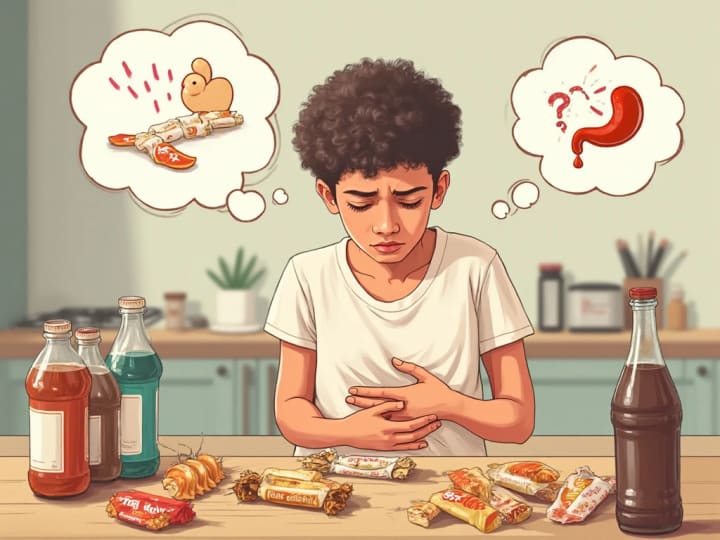
Doctors are seeing more patients who complain of bloating, pain, and gas after consuming fiber-rich processed foods. Unlike natural fiber from vegetables and fruits that is slowly digested, manufactured fibers are often rapidly fermented by gut bacteria. This can lead to too much gas and inflammation.
Potential hazards include:
1. Digestive upset – bloating, cramps, and diarrhea are common when there is a sudden rise in fiber intake.
2. Nutrient malabsorption – too much fiber can reduce the body's uptake of minerals like iron, zinc, and calcium.
3. Gut imbalance – although some engineered fibers are prebiotics, too much of them can feed the wrong bacteria as well.
4. Liver stress – recent research shows that ultra-processed fibers can cause liver inflammation in some individuals.
The Social Media Push
Trends like "fibermaxxing" spread on TikTok, Instagram, and Reddit. Influencers describe taking fiber sodas or four fiber bars a day and report feeling lighter and more energetic. In fact, such short-term benefits typically come from changes in digestion instead of long-term health gain.
The danger lies in the fact that younger consumers and health enthusiasts may follow exaggerated versions of these diets without medical supervision. Just as over-supplementing with protein powders or vitamins is dangerous, over-loading with fiber supplements will be counter-productive.
Natural Fiber vs. Added Fiber
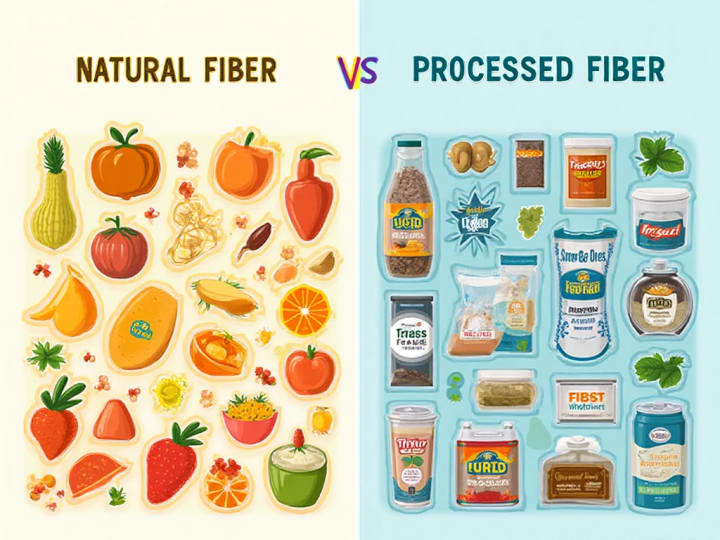
The best and safest method of boosting fiber intake is still through whole foods. Natural fiber comes in two forms:
Soluble fiber (in oats, beans, apples) reduces cholesterol and regulates blood sugar.
Insoluble fiber (found in whole grains, nuts, vegetables) adds bulk to stool and promotes regular bowel movements.
Those natural foods don't just provide fiber. They also contain vitamins, minerals, and antioxidants that commercial fibers can't duplicate. Best of all, they act on your digestive system at a natural level, reducing the risk of side effects.
Smarter Ways to Get Fiber
If you want to increase your fiber intake safely, here's what you can do:
1. Go slowly – if you currently eat very little fiber, increase it gradually. Jumping from 10 grams to 40 grams overnight is a prescription for stomach pain.
2. Hydrate yourself – fiber needs water to move smoothly through your digestive tract. Drink plenty of fluids.
3. Choose whole foods first – beans, lentils, pears, carrots, and whole grains should be your primary fiber sources.
4. Read labels carefully – if a snack bar has 15 grams of fiber but very few natural ingredients, that’s a red flag.
5. Listen to your body – bloating, cramps, or fatigue may be signs you’re overdoing added fibers.
When to See a Doctor
Temporary gas or bloating is normal with a rise in fiber intake. But if you experience severe discomfort, constant diarrhea, or unwanted weight change, consult a doctor. People who have IBS, Crohn's disease, or ulcerative colitis may be especially sensitive to man-made fibers.
The Bottom Line
Fiber is required—but it is not magic. More is not always better, especially when it comes in the form of additives and powders in processed food. While food companies may attempt to market fiber-added foods as the key to digestive health, they cannot replicate the value of eating real, whole foods.
The safest path is moderation. Get most of your fiber from fruits, vegetables, legumes, and grains. Use fortified snacks sparingly, and don't think that a high-fiber soda can replace a balanced meal.
As with so many health fads, the initial guidance is still the best: eat real food, mostly plants, and let your body achieve its balance naturally.
About the Creator
Kiruthigaran Mohan
art writing...
Keep reading
More stories from Kiruthigaran Mohan and writers in Lifehack and other communities.
Children’s Diet Culture Under Scrutiny: Why We Must Rethink “Healthy Eating” for Kids
Today, health, wellness, and food conversation is everywhere. Social media, advertisements, and even school curricula often bring strong messages about what children "should" or "should not" be consuming. While they intend to promote better habits, many experts warn that diet culture, when taken too far, can harm children rather than help them.
By Kiruthigaran Mohan6 months ago in Lifehack




Comments
There are no comments for this story
Be the first to respond and start the conversation.