
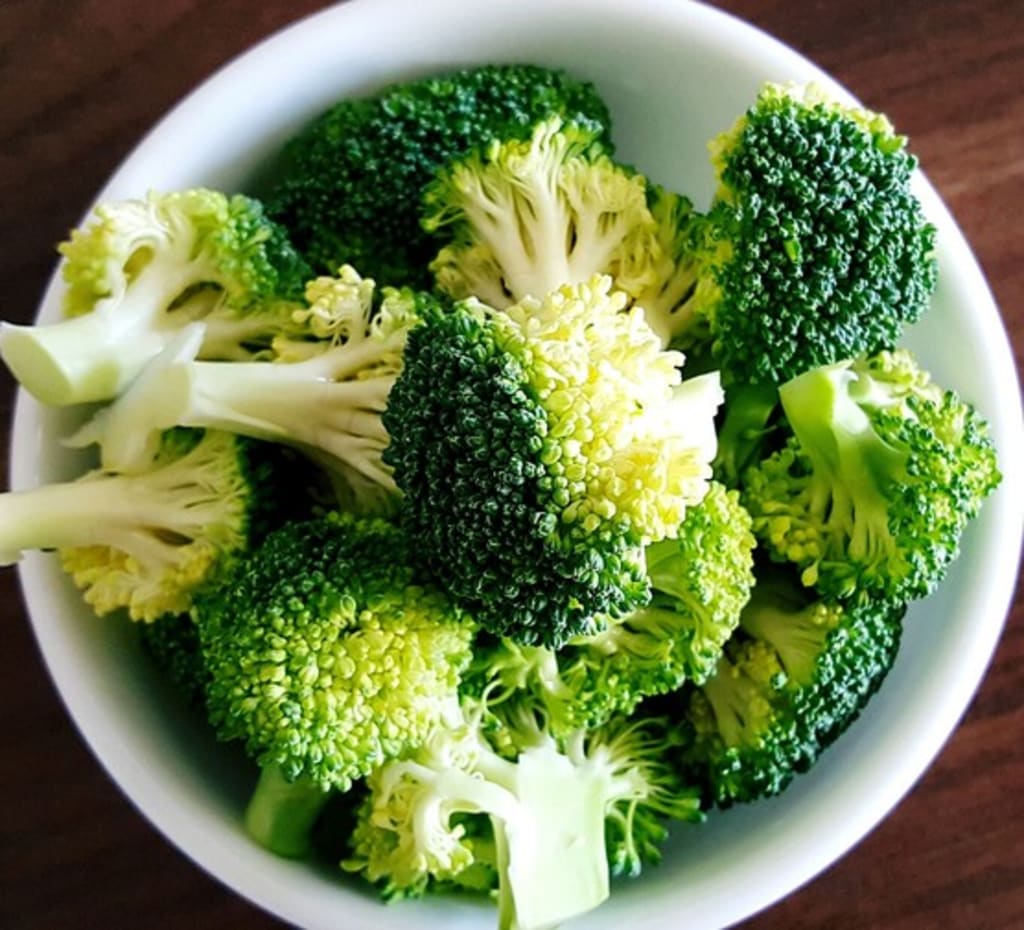
Broccoli, a nutritious and versatile vegetable, is enjoyed by many around the world. But have you ever wondered about its origins? Where did broccoli come from, and how did it become such a popular food?
The story of broccoli begins over two thousand years ago in the Mediterranean region. The ancient Romans enjoyed a variety of vegetables, including broccoli's wild ancestor, a plant called wild cabbage or Brassica oleracea. This wild cabbage grew along the coasts of Italy, Spain, and Greece, and was a staple in the diets of the ancient Greeks and Romans.
The wild cabbage was not the same as the broccoli we know today. It had small, edible leaves and a thin stalk, but the flower buds were small and underdeveloped. It was not until the Italians began selectively breeding the plant that the broccoli we know today began to emerge.
In the 16th century, broccoli made its way to France, where it was given the name "brocoli." The name comes from the Italian word "broccolo," which means "the flowering crest of a cabbage." From France, broccoli spread to England and eventually to America.
Broccoli was not always as popular as it is today. In fact, it was not widely grown or eaten in the United States until the 1920s. At that time, Italian immigrants brought their love of broccoli with them to America, and it slowly gained popularity.
Broccoli's popularity grew even more during World War II. The United States government encouraged people to grow their own vegetables as part of the war effort, and broccoli was one of the vegetables that was easy to grow and nutritious. After the war, broccoli continued to gain popularity as more people became interested in healthy eating.
Today, broccoli is grown in many countries around the world, including the United States, China, Italy, and Spain. It is a popular vegetable in many different cuisines, from Italian to Chinese to American.
One of the reasons for broccoli's popularity is its nutritional value. Broccoli is high in fiber, vitamins C and K, and other important nutrients. It is also low in calories and can be prepared in many different ways, from steamed to roasted to stir-fried.
Another reason for broccoli's popularity is its versatility. Broccoli can be eaten raw or cooked, and it can be used in a variety of dishes, from salads to soups to casseroles. It is also a popular side dish and can be served with many different main courses.
In recent years, broccoli has even been used as a substitute for traditional pasta in dishes like broccoli "rice" and broccoli "noodles." This has made it a popular choice for people who are looking for a low-carb or gluten-free alternative to pasta.
In conclusion, the origin of broccoli can be traced back to the wild cabbage that grew along the Mediterranean coast over two thousand years ago. Through selective breeding and cultivation, the broccoli we know today was developed in Italy and eventually spread throughout Europe and the world. Today, broccoli is a popular and versatile vegetable that is enjoyed by people around the globe for its taste, nutrition, and adaptability to different cooking methods.
Broccoli is a cruciferous vegetable that has been studied extensively for its health benefits. Here are some of the scientific points of broccoli:
1) Anti-cancer properties: Broccoli contains compounds called glucosinolates, which are broken down in the body into active compounds that have been shown to have anti-cancer properties. Studies have linked broccoli consumption to a reduced risk of several types of cancer, including lung, colon, breast, prostate, and bladder cancer.
2) High in antioxidants: Broccoli is a rich source of antioxidants, which help to protect the body against oxidative stress and inflammation. It contains vitamins C and E, beta-carotene, and other phytonutrients that have been shown to have antioxidant properties.
3) Rich in fiber: Broccoli is a good source of dietary fiber, which helps to promote digestive health and prevent constipation. One cup of cooked broccoli contains about 5 grams of fiber.
4) Good source of vitamins and minerals: Broccoli is a rich source of vitamins and minerals, including vitamin C, vitamin K, vitamin A, folate, potassium, and iron. These nutrients are important for maintaining overall health and preventing chronic diseases.
5) Cardiovascular benefits: Studies have shown that broccoli consumption may help to lower blood pressure and reduce the risk of heart disease. This may be due in part to its high fiber and antioxidant content.
6) Brain health: Broccoli contains compounds called sulforaphane and glucoraphanin, which have been shown to have neuroprotective properties. These compounds may help to reduce the risk of cognitive decline and improve brain function.
7) Anti-inflammatory properties: Broccoli contains compounds that have been shown to have anti-inflammatory properties, including vitamin C, kaempferol, and quercetin. Chronic inflammation is linked to many chronic diseases, so consuming anti-inflammatory foods like broccoli may help to prevent these conditions.
Overall, broccoli is a nutritious and versatile vegetable that offers many health benefits. Incorporating it into your diet on a regular basis can help to support overall health and well-being.
About the Creator
Keep reading
More stories from Neusa Moreno and writers in Lifehack and other communities.
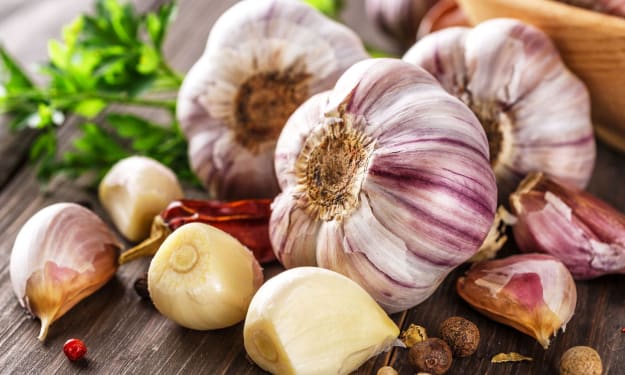
Benefits of eating garlic everyday
Garlic has been used as a medicinal food for centuries, and modern science backs up its many health benefits. Garlic contains phytochemicals like allicin and organosulfur compounds, which provide antibacterial and antiviral properties, and have been found to lower the risk of heart disease by collectively addressing factors like high cholesterol, blood sugar, and blood pressure. Eating garlic every day can also boost the immune system, reduce chronic inflammation, lower blood pressure, and improve cholesterol levels. However, more research is needed to determine the relationship between garlic intake and triglyceride levels. Taking garlic by mouth has also been known to reduce pre-meal blood sugar levels in people with diabetes.
By Neusa Moreno3 years ago in Lifehack
9 Foods You Should Never Eat Past the Expiration Date, No Exceptions
But certain foods cross a line where the expiration date becomes about more than just quality—it’s about safety. Eating past that line can expose you to dangerous bacteria, toxins, or nutrient loss you can’t see or smell. Knowing which foods to never push beyond their expiration dates is key to keeping your kitchen safe. Here are the nine foods that are not worth the risk.
By General gyan7 days ago in Lifehack
The Power of Being Alone: Why Solitude Is Becoming the Secret Weapon of the Modern Mind
The modern world is loud. Notifications buzz, videos autoplay, conversations scroll endlessly across screens, and opinions arrive faster than most people can process them. Silence has become so rare that many now associate it with discomfort instead of peace. The moment there is nothing to listen to, watch, or respond to, the hand instinctively reaches for a phone. But beneath all this noise lies a forgotten skill — the ability to be alone without feeling lonely. Solitude is not the same as isolation. Isolation is being cut off from others against your will. Solitude is choosing to step away, even briefly, to reconnect with yourself. This difference is small in definition but massive in impact. Psychologists have found that moments of intentional solitude can improve creativity, emotional regulation, and problem-solving. When the brain is no longer reacting to external stimuli, it begins to wander inward. This is where ideas form, where feelings are processed, and where deeper understanding takes shape. Many of history’s most influential thinkers, artists, and leaders had one thing in common: they valued time alone. Writers walked long distances to think. Scientists sat quietly with unsolved problems. Philosophers spent hours in reflection. These weren’t escapes from reality — they were ways of understanding it more clearly. Today, however, solitude is often misunderstood. Being alone can be seen as antisocial or unproductive. In a culture that celebrates constant connection, stepping back can feel like falling behind. But in truth, the opposite is often happening. When people never pause, they don’t just lose time — they lose direction. Without moments of reflection, it becomes easy to live on autopilot. Goals are inherited instead of chosen. Opinions are adopted instead of examined. Emotions are suppressed instead of understood. Over time, this can create a quiet sense of dissatisfaction, even when life looks successful on the surface. Solitude acts as a mental mirror. In silence, you begin to notice what actually matters to you. You recognize patterns in your behavior. You become aware of the thoughts you normally drown out with distraction. This awareness can be uncomfortable, but it is also powerful. There is also a growing connection between solitude and focus. In an age of constant interruption, the ability to concentrate deeply has become a competitive advantage. People who can work without checking their phone every few minutes often produce better results in less time. This kind of focus doesn’t come from willpower alone — it comes from training the mind to be comfortable without stimulation. Even emotional resilience is shaped in quiet moments. When you sit alone with a difficult feeling instead of escaping it, you learn that discomfort doesn’t destroy you. You learn that emotions rise and fall like waves. This understanding builds inner stability that no external validation can replace. Of course, humans are social by nature. Connection, community, and relationships are essential for a healthy life. The power of solitude doesn’t come from replacing these things, but from balancing them. It’s in solitude that you figure out what you want to bring back to the world. Small practices can make a big difference. A short walk without headphones. A few minutes of journaling in the morning. Sitting quietly before starting the day. These moments don’t need to be dramatic. They just need to be intentional. Over time, something changes. The noise of the world becomes easier to navigate. Decisions feel clearer. Reactions become calmer. You begin to act from understanding instead of impulse. In a society that is constantly speaking, posting, and performing, choosing silence can feel radical. But that is exactly why it is so powerful. Because sometimes, the strongest voice you can listen to is your own.
By Hazrat Usman Usman5 days ago in Lifehack



Comments
There are no comments for this story
Be the first to respond and start the conversation.