
Benefits of eating garlic everyday
Healthy practices
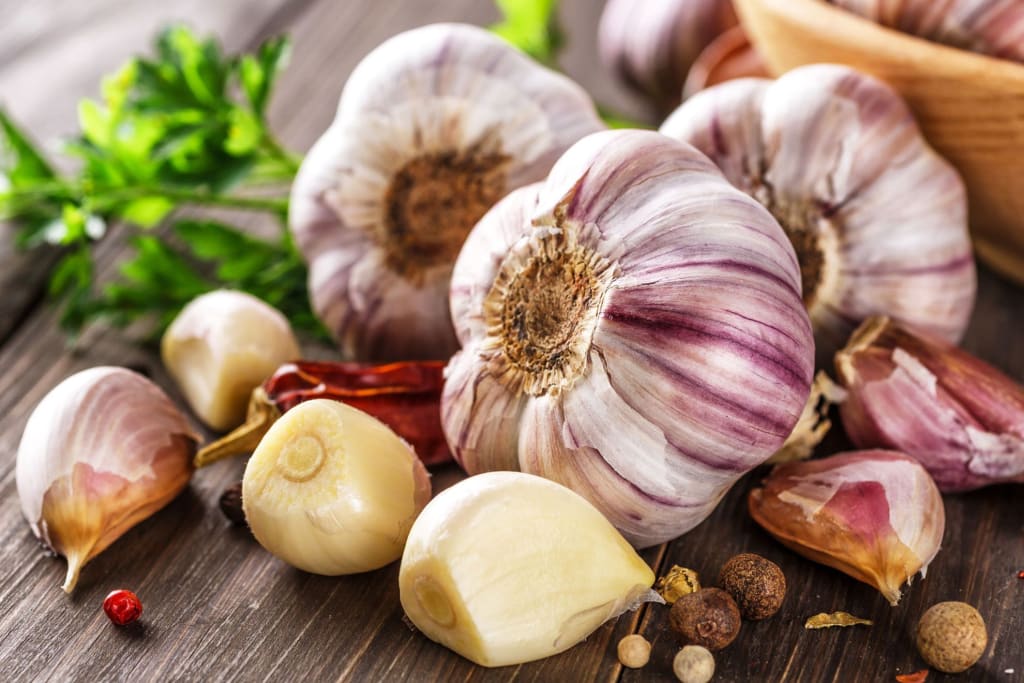
Garlic has been used as a medicinal food for centuries, and modern science backs up its many health benefits. Garlic contains phytochemicals like allicin and organosulfur compounds, which provide antibacterial and antiviral properties, and have been found to lower the risk of heart disease by collectively addressing factors like high cholesterol, blood sugar, and blood pressure. Eating garlic every day can also boost the immune system, reduce chronic inflammation, lower blood pressure, and improve cholesterol levels. However, more research is needed to determine the relationship between garlic intake and triglyceride levels. Taking garlic by mouth has also been known to reduce pre-meal blood sugar levels in people with diabetes.
Currently, garlic is widely used for several conditions linked to the blood system and heart, including atherosclerosis (hardening of the arteries), high cholesterol, heart attack, coronary heart disease, and hypertension.
Garlic is also used today by some people for the prevention of lung cancer, prostate cancer, breast cancer, stomach cancer, rectal cancer, and colon cancer.
It is important to add that only some of these uses are backed by research.
A study published in the journal Food and Chemical Toxicology warned that short-term heating reduces the anti-inflammatory effects of fresh raw garlic extracts. This may be a problem for some people who do not like or cannot tolerate the taste and/or odor of fresh garlic.
A study conducted in China by the Jiangsu Provincial Center for Disease Control and Prevention found that people who ate raw garlic at least twice a week had a 44% lower risk of developing lung cancer. The study consisted of face-to-face interviews with 1,424 lung cancer patients and 4,543 healthy individuals, where they were asked about their diet and lifestyle habits, including garlic consumption and smoking. The authors of the study wrote that there is a potential for garlic to serve as a chemo-preventive agent for lung cancer, as a protective association was observed with a dose-response pattern. This study was published in the journal Cancer Prevention Research.
A recent study by researchers at King's College London and the University of East Anglia has shown that women who consume diets rich in allium vegetables have lower levels of osteoarthritis. Allium vegetables include garlic, leeks, shallots, onions, and rakkyo. The study's authors suggest that this finding underscores the potential impact of diet on osteoarthritis outcomes. Additionally, the study has demonstrated that compounds found in garlic may be utilized to develop treatments for osteoarthritis. The long-term study surveyed over 1,000 healthy female twins and found that those who consumed diets high in fruits and vegetables, particularly alliums like garlic, had fewer indicators of early onset osteoarthritis.
A recent study in the Journal of Antimicrobial Chemotherapy found that diallyl sulfide, a compound in garlic, is 100 times more effective than two popular antibiotics in fighting the Campylobacter bacterium. It is a common cause of intestinal infections. Senior author, Dr. Xiaonan Lu of Washington State University, expressed excitement about the potential of this compound to reduce disease-causing bacteria in the environment and in our food supply.
Researchers at Emory University School of Medicine have discovered that diallyl trisulfide, an ingredient in garlic oil, may aid in protecting the heart during cardiac surgery and after a heart attack. They also suggest that it could be a viable treatment for heart failure. While hydrogen sulfide gas has shown protective properties, it is difficult to administer as therapy due to being a volatile compound. Therefore, the researchers turned their attention to diallyl trisulfide as a safer mode of delivering the benefits of hydrogen sulfide to the heart.
Research suggests that raw garlic may have the greatest benefits. However, other studies have examined allium intake, both raw and cooked, and found benefits. So, enjoying garlic in various forms can still be advantageous.
About the Creator
Keep reading
More stories from Neusa Moreno and writers in Lifehack and other communities.
Lessons Learned in a Wheel Chair, Singing in the Sunshine 🥀
It starts with love. . . and life . . . Motivational Mantra: Living with Disabilities “To think in terms of either pessimism or optimism oversimplifies the truth. The problem is to see reality as it is.” — Thich Nhat Hạnh
By WILD WAYNE : The Dragon Kinga day ago in Lifehack


Comments
There are no comments for this story
Be the first to respond and start the conversation.