
Nourishing Your Body and Baby: Delicious and Nutritious Food for Pregnant Women
Nourishing Your Body and Baby: Delicious and Nutritious Food for Pregnant Women
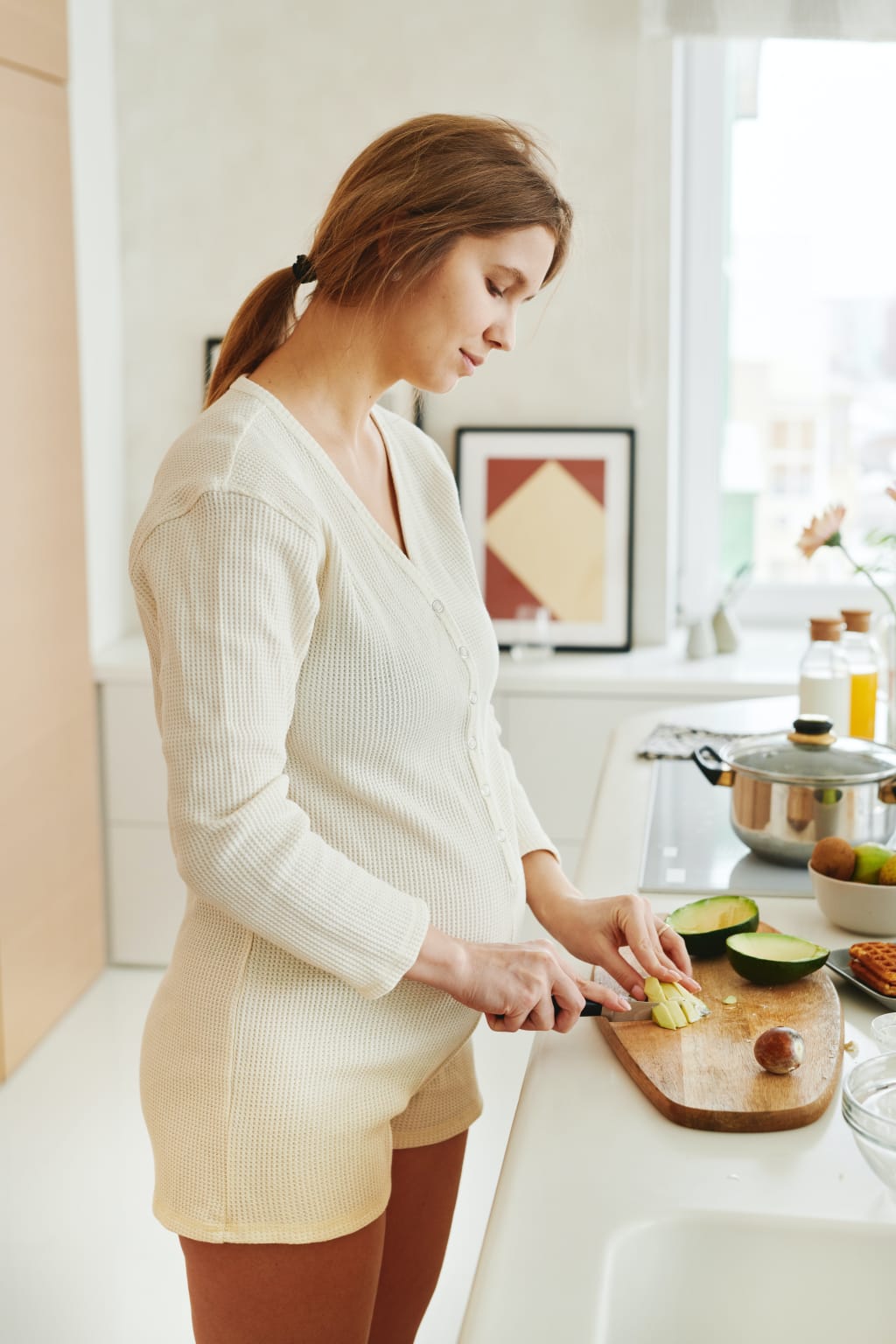
Eat a variety of nutrient-dense foods. This includes fruits, vegetables, whole grains, lean proteins, and healthy fats.
Aim for at least 400 micrograms of folic acid per day. Folic acid is important for the development of the baby's brain and spinal cord.
Incorporate iron-rich foods into your diet. Iron is essential for the production of red blood cells and can help prevent anemia.
Get enough calcium for the baby's bones and teeth. Dairy products, leafy greens, and fortified foods are good sources of calcium.
Include Omega-3 fatty acids in your diet. Omega-3s are important for the baby's brain development.
Avoid foods that may cause food poisoning, such as raw or undercooked meats, fish, and eggs.
Limit your intake of caffeine and alcohol. Both can have negative effects on the baby's development.
Stay hydrated by drinking plenty of water and other fluids.
Listen to your body and eat when you're hungry. Pregnant women have increased energy needs and may need to eat more.
Consult with a healthcare professional or a registered dietitian to ensure that you are getting the right amount and balance of nutrients for you and your baby.
Avoid any foods that may cause allergies, such as fish and shellfish, peanuts and tree nuts, and raw or undercooked meats.
Try to get enough protein, as it is essential for the growth of the baby. Good sources of protein include lean meats, poultry, fish, beans, and tofu.
Eat regularly, and try to include healthy snacks between meals to help maintain energy levels.
Avoid dieting or restrictive eating during pregnancy as it can be harmful to the baby's growth and development.
Take prenatal vitamins as prescribed by your doctor or healthcare provider. These vitamins can help supplement any nutrient deficiencies in your diet.
Avoid processed and packaged foods as they are often high in added sugars, sodium, and unhealthy fats.
Try to cook at home as much as possible, this way you can control the ingredients and ensure that your meals are healthy and nutritious.
Eat a balanced breakfast to start your day off right. A healthy breakfast should include a source of protein and whole grains.
Avoid foods high in mercury such as swordfish, shark, king mackerel and tilefish, as it can be harmful to the baby's development.
Be mindful of portion sizes and try not to eat too much. Pregnant women do not need to eat for two, but rather a little more than usual to support the baby's growth and development.
Avoid artificial sweeteners and food additives, as their safety during pregnancy is not well established.
Lastly, it is important to have a healthy mindset about food and your pregnancy. Pregnancy is a time for nourishing your body and your baby, not for restriction or guilt.
These are some tips for a healthy pregnancy diet. Remember, it's essential to speak with your healthcare provider, they will give you more specific advice based on your individual needs and health.
DO's:
- Eat a variety of nutrient-dense foods such as fruits, vegetables, whole grains, lean proteins, and healthy fats.
- Aim for at least 400 micrograms of folic acid per day.
- Incorporate iron-rich foods into your diet.
- Get enough calcium for the baby's bones and teeth.
- Include Omega-3 fatty acids in your diet.
- Listen to your body and eat when you're hungry.
- Stay hydrated by drinking plenty of water and other fluids.
- Consult with a healthcare professional or a registered dietitian.
- Avoid foods that may cause allergies.
- Try to cook at home as much as possible.
- Take prenatal vitamins as prescribed by your doctor or healthcare provider.
- Avoid processed and packaged foods.
- Eat a balanced breakfast.
- Be mindful of portion sizes.
- Have a healthy mindset about food and your pregnancy.
DON'Ts:
- Avoid foods that may cause food poisoning, such as raw or undercooked meats, fish, and eggs.
- Limit your intake of caffeine and alcohol.
- Avoid dieting or restrictive eating during pregnancy.
- Avoid foods high in mercury such as swordfish, shark, king mackerel, and tilefish.
- Avoid artificial sweeteners and food additives.
- Don't eat for two, eat a little more than usual to support the baby's growth and development.
- Don't skip meals or snacks.
- Don't restrict yourself too much, enjoy your pregnancy and your food.
Again, it is important to remember that these are general tips and it is always best to consult with your healthcare provider for personalized advice.
About the Creator
Health Universe
Up-to-date info on all aspects of health & wellness. From nutrition to mental health, our team of healthcare professionals shares expert advice in an easy-to-understand format. Stay informed & take control of your health with us
Keep reading
More stories from Health Universe and writers in Lifehack and other communities.
Luminous Lilly: The Beauty and Symbolism of the Iconic Flower
The lily is a flower that has been admired and celebrated for centuries, not only for its beauty but also for its rich symbolism. The luminous lily, in particular, is a stunning example of the elegance and grace of this iconic flower.
By Health Universe3 years ago in Earth
Your heart and digestive system may be harmed simultaneously by breathing contaminated air.
It is well known that there are numerous health concerns associated with breathing contaminated air. More precise information is revealed by a new study, which demonstrates that air pollution may damage the human heart and intestines at the same time.
By Francis Dami4 days ago in Lifehack




Comments
There are no comments for this story
Be the first to respond and start the conversation.