
Your heart and digestive system may be harmed simultaneously by breathing contaminated air.
Microbes in the gut and air pollution


It is well known that there are numerous health concerns associated with breathing contaminated air. More precise information is revealed by a new study, which demonstrates that air pollution may damage the human heart and intestines at the same time.
By following a route that began in the airways, went through gut microbes, and ended in the heart, scientists were able to pinpoint the origin of human artery plaque.
A group at the University of California, Los Angeles (UCLA) thoroughly examined the route. Jesus A. Araujo, MD, PhD, who specialises in environmental cardiology and prevention, oversaw the project.
Microbes in the gut and air pollution
Particulate matter from contaminated air and foreign intruders are trapped by mucus in the body's airways. These particles are subsequently transported upward and towards the throat by the lungs.
That substance is subsequently transferred into the digestive tract and the lining of the gut by swallowing. Because ultrafine particulate matter is so tiny, some of it passes through the heart after leaving the intestinal lining and entering the bloodstream.
Over the course of ten weeks, UCLA researchers contrasted mice who were breathing contaminated air with those that were inhaling filtered air. Gut samples were taken after each group spent six hours a day, three days a week, in the designated air.
The cecum, the first pouch of the large intestine, had a different microbial mix due to pollution, while the small intestine did not. Bacterial chemistry can be altered there before it reaches the liver and blood arteries because that region is responsible for fermentation.
Not a single bacterial offender
A review claims that food is converted by gut microorganisms into compounds that travel to other organs. Instead of blaming a single species in this study, the team concentrated on changes at the community level.
Higher quantities of short-chain fatty acids, which are tiny molecules produced when microorganisms ferment fibre, were also detected in faecal testing. Researchers still need to demonstrate cause and effect, even though those combined chemical changes might be more significant than any one microorganism.
After breathing air pollution for weeks, exposed mice displayed symptoms suggesting the liver was under chemical stress outside of the gut.
In reaction to oxidative stress, liver cells also activate protective genes. Protein-folding strain was seen in the same region, indicating that liver cells had trouble assembling new proteins neatly and maintaining a constant metabolism.
The liver link still requires direct evidence because the study did not reveal which liver signals made it to the arteries.
Under pressure, plaque accumulates.
After the trial, researchers observed that the mice exposed to pollution had more severe atherosclerosis. Particle exposure was associated in another study with increased clotting signals within arteries, which may promote the development of plaque.
According to Araujo, "the mechanisms and the specific pathways by which this occurs remain largely unknown." The data cannot be used to predict how rapidly the same chain develops in people because these mice were engineered to generate plaque easily.
Silent damage without any symptoms
One disturbing aspect was that there was no visible inflammation in the intestines during exposure, which can make internal damage difficult to detect. Because modified bacteria can leak compounds into blood without producing pain, low-grade modifications can nonetheless be significant.
"I want students to understand that air pollution raises cardiovascular mortality and causes cardiovascular disease through unidentified mechanisms and routes. Consequently, air pollution has the potential to silently and without warning destroy people's lives, according to Araujo.
Sensitivity may be set by genes
Although exposure to pollution is common, bodies react differently, and scientists believe that the gut may be the source of some of this disparity.
The microorganisms that establish themselves early in life can be influenced by genes, which can then affect the chemicals that the stomach secretes.
According to Araujo, "not everyone's health is affected to the same degree, even though everyone is exposed to similar levels of air pollution in a certain location."
That notion raises the idea of personalised risk, but it also cautions against holding people accountable for an uncontrollable hazard.
Future gut health and air pollution
According to estimates from the World Health Organisation (WHO), outdoor air pollution caused 4.2 million premature deaths in 2019.
According to the same data, heart disease and stroke accounted for 68% of those deaths, demonstrating the extent of the risk.
On days with poor air quality, people can reduce their exposure by using well-fitting masks and interior filtration, but these devices require effort and money.
The goal of public policy is to safeguard everyone simultaneously through cleaner streets, cleaner electricity, and more stringent industry regulations.
When considered collectively, UCLA research connected breathed pollution to altered gut communities, hepatic stress, and accelerated plaque development in susceptible animals.
Future research will examine if genes alter this response and whether altering gut bacteria or inhibiting their chemicals can decrease plaque.
About the Creator
Keep reading
More stories from Francis Dami and writers in Lifehack and other communities.
Using a novel strategy, scientists try to stop human ageing.
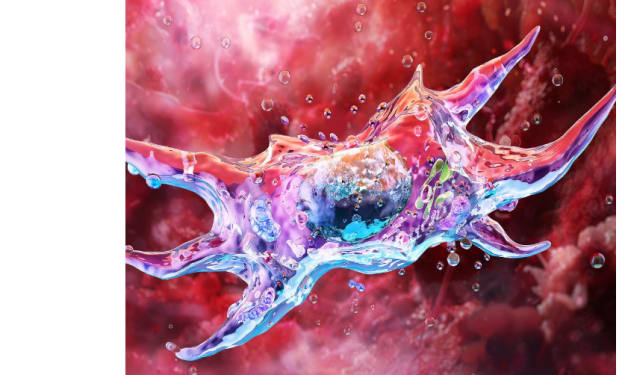
Your cells' functions change as you age, and this gradual change can lead to organ failure, weakening, and scarring. There is now hope for treating age-related disorders since scientists have discovered a mechanism to nudge some cells back towards healthy roles.
By Francis Damiabout 8 hours ago in Lifehack
The Consequence of Greed
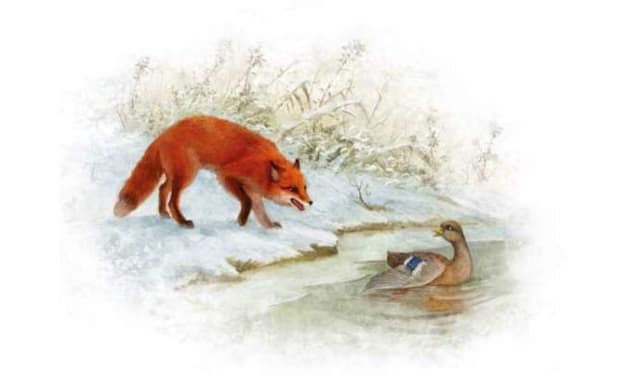
Snowfall had turned the lush green trees of the forest completely white. It was the heart of winter, and as soon as the snow began to fall, a deep silence spread through the jungle. The animals who had wisely stored food before the cold arrived were now resting comfortably in their homes, eating and drinking without worry. But those who had made no preparations were shivering in the freezing weather, wandering around in search of food.
By Sudais Zakwan7 days ago in Lifehack


Comments
There are no comments for this story
Be the first to respond and start the conversation.