
Microbiome Health for Ostomy Patients
Managing Gut Bacteria After Surgery

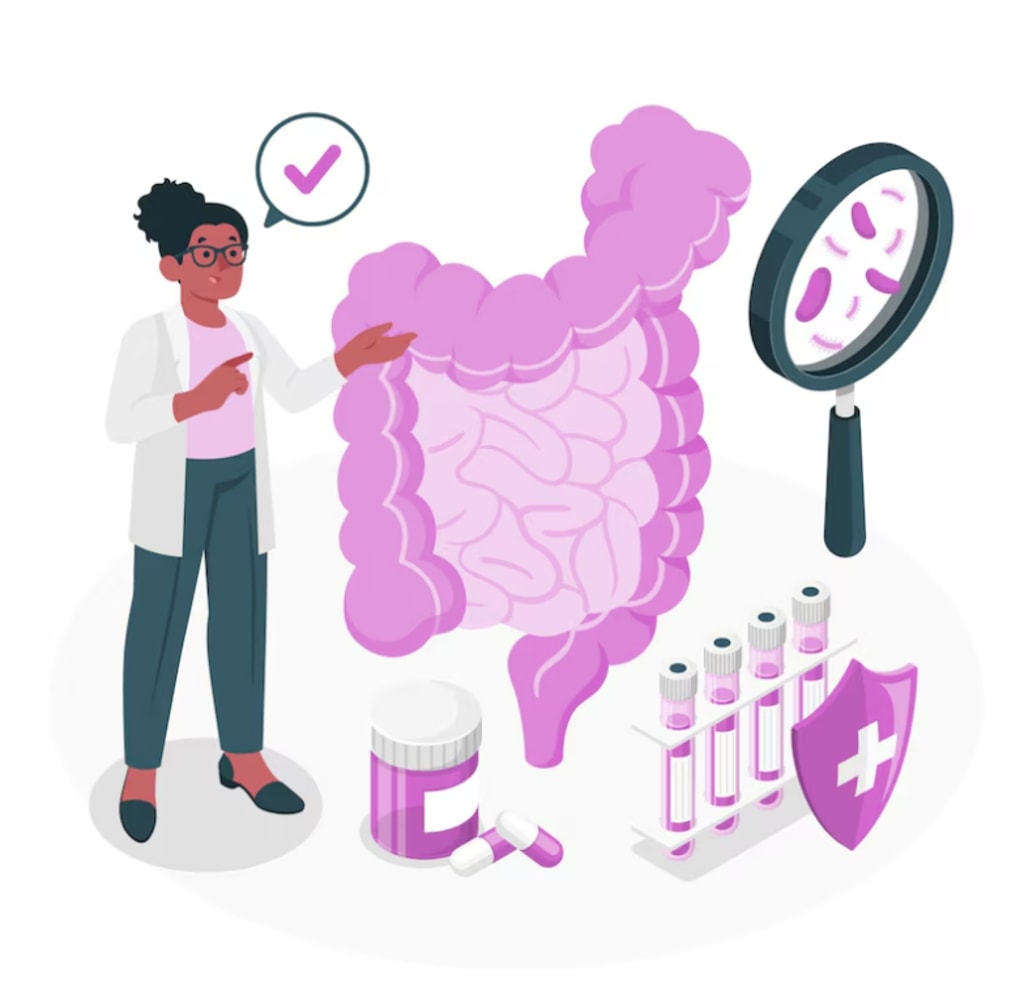
Microbiome Health and Ostomy Surgery
Ostomy surgery can profoundly impact the gut microbiome, which is vital for digestion, immunity, and nutrient absorption. Composed of trillions of bacteria, fungi, and other microorganisms, the microbiome assists in breaking down food, producing essential nutrients, and defending against harmful bacteria. When part of the gastrointestinal tract is removed or rerouted through ostomy surgery, this balance is disrupted. Understanding the effects of surgery on gut health and adopting strategies to support a balanced microbiome is crucial for long-term well-being.
How Ostomy Surgery Affects the Gut Microbiome
Depending on the type of ostomy, different sections of the gastrointestinal tract are affected, altering microbial composition and function:
Colostomy: Bypassing or removing parts of the colon can reduce microbial diversity, as the colon is a major site of bacterial fermentation and absorption.
Ileostomy: With the colon bypassed or removed, fewer bacteria are present in the small intestine, which can affect nutrient absorption and microbial balance.
Urostomy: While primarily affecting the urinary system, urostomy patients may also experience digestive changes due to shifts in diet and lifestyle.
These alterations may lead to issues like bloating, irregular stools, or immune imbalances, highlighting the need for proactive microbiome management.
Strategies for Supporting a Healthy Gut Microbiome
1. Focus on Prebiotic-Rich Foods
Prebiotics are non-digestible fibers that fuel beneficial bacteria. By consuming prebiotic-rich foods, ostomy patients can promote the growth of good bacteria, which aids in digestion and nutrient absorption. Some excellent sources include garlic, onions, bananas, and oats. For individuals with an ileostomy, it’s recommended to introduce fiber gradually, as high-fiber foods may cause blockages or discomfort if introduced too quickly.
2. Introduce Probiotics Carefully
Probiotics contain live bacteria that help restore a balanced microbiome. Probiotic-rich foods, such as yogurt, kefir, and sauerkraut, or supplements containing beneficial strains like Bifidobacterium and Lactobacillus, may support immune health and digestion. Start with low doses to assess tolerance, as probiotics can sometimes cause gas or bloating. Consulting with a healthcare provider can also help identify strains that are best suited to individual needs.
3. Prioritize a Nutrient-Rich Diet
A balanced diet rich in essential nutrients supports microbiome health. Key nutrients include:
Soluble Fiber: Found in foods like oats and apples, which are gentler on the gut.
Vitamin D: Important for immunity and microbiome diversity, sourced from fatty fish, fortified foods, or supplements.
Zinc and Magnesium: These minerals support immune health and indirectly contribute to a balanced microbiome.
Hydration and Supplementation Tips
Proper hydration is crucial, especially for patients with ileostomies who may experience increased fluid loss. Staying hydrated aids digestion and nutrient absorption, which indirectly supports the microbiome. Electrolyte-rich drinks, like coconut water, can be helpful. In addition, soluble fiber supplements such as psyllium husk can offer gentle fiber support, though it’s best to start with small doses to avoid discomfort.
Recognizing Microbiome Imbalance
Ostomy patients should be alert for signs of microbiome imbalance, such as bloating, persistent irregular stools, or frequent infections, which may indicate a need for dietary adjustments or additional support. Seeking guidance from a healthcare provider can help identify effective strategies to restore balance.
Maintaining a balanced gut microbiome is a lifelong endeavor. For ostomy patients, the right dietary choices, prebiotic and probiotic support, hydration, and nutrient intake are key strategies to encourage a healthy microbial environment. These adjustments, combined with the use of supportive ostomy products, can significantly improve digestion, immunity, and overall comfort. As always, consulting with healthcare professionals can provide tailored advice to support each patient’s unique health journey.
About the Creator
Tyler Sajan
Tyler Sajan is a writer and healthcare professional specializing in medical topics, with a focus on ostomy, wound care, urology. He is dedicated to crafting informative content that enhances understanding and awareness of medical products.
Keep reading
More stories from Tyler Sajan and writers in Lifehack and other communities.
Why Collagen-Based Dressings Are Essential for Wound Management
Wound management is a critical aspect of healthcare that directly impacts patient outcomes and quality of life. Among the various types of wound dressings available, collagen-based dressings have emerged as a vital tool in promoting healing and managing wounds effectively. This article explores the reasons why collagen-based dressings are essential for wound management, highlighting their unique properties, benefits, and applications.
By Tyler Sajanabout a year ago in Lifehack
Moving in Edmonds, Washington: What Locals Learn About Relocation Over Time
Moving to a new city always comes with a mix of excitement and uncertainty. Edmonds, Washington, is no exception. Known for its waterfront views, walkable downtown, and strong sense of community, Edmonds attracts families, professionals, and retirees looking for a quieter lifestyle just north of Seattle. However, moving within or to Edmonds requires planning, especially when choosing a moving company that understands the area.
By House Doctor2 days ago in Lifehack
Should We Not Try to Get Too Political?
Here's something you often hear people say, "I try not to get too political." I understand the sentiment and I sympathize with it... while at the same exact time, I completely disagree with the notion. Whether it's referring to social media or wherever, it's kind of unavoidable. You can attempt to sidestep it, not engage, leave the less important things for actual politicians to discuss... you can want it to not take over your life, your conversations, your relationships, and that makes perfect sense.
By Stephen Kramer Avitabile3 days ago in Writers



Comments
There are no comments for this story
Be the first to respond and start the conversation.