
Why Collagen-Based Dressings Are Essential for Wound Management
Exploring the Unique Benefits of Collagen Dressings

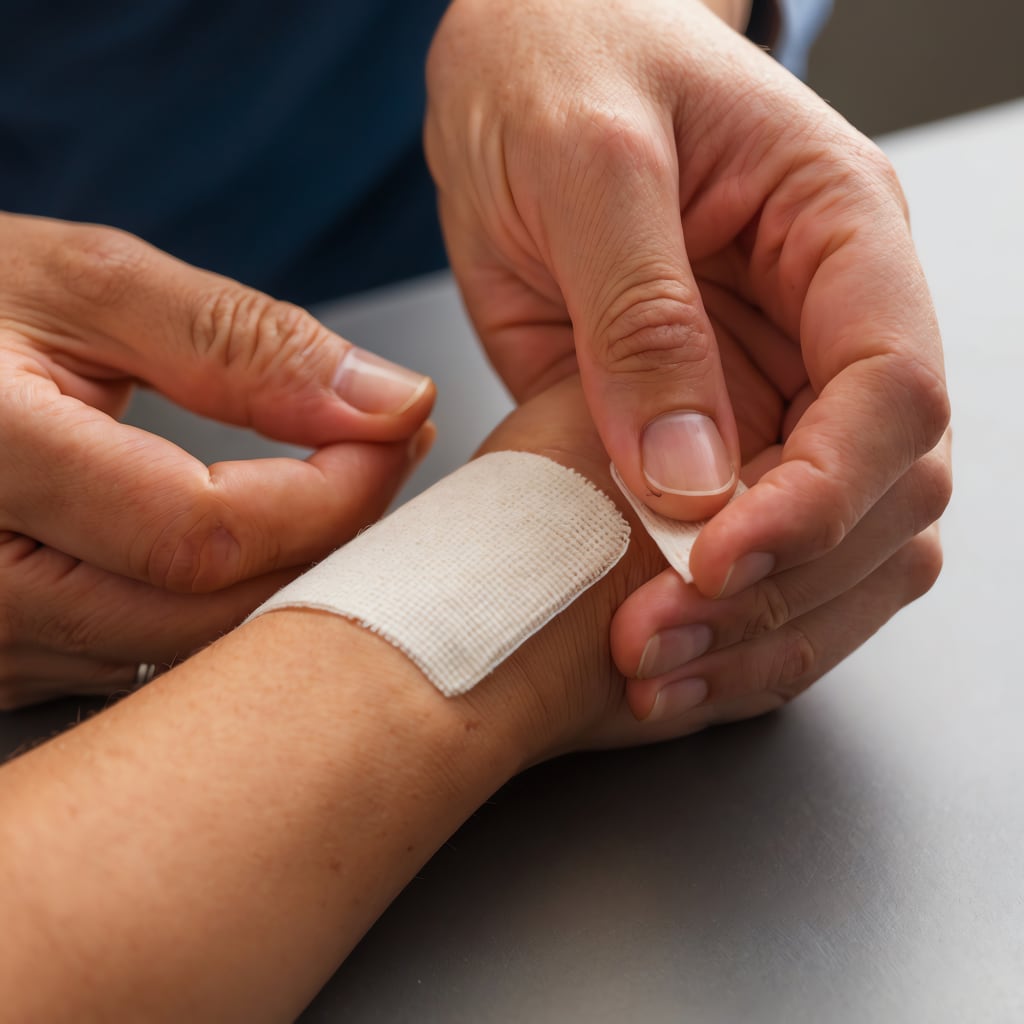
Wound management is a critical aspect of healthcare that directly impacts patient outcomes and quality of life. Among the various types of wound dressings available, collagen-based dressings have emerged as a vital tool in promoting healing and managing wounds effectively. This article explores the reasons why collagen-based dressings are essential for wound management, highlighting their unique properties, benefits, and applications.
Collagen and Its Role in Wound Healing
Collagen is a naturally occurring protein found abundantly in the human body, particularly in connective tissues, skin, and bones. It plays a crucial role in maintaining structural integrity and facilitating wound healing. When a wound occurs, the body initiates a complex healing process involving hemostasis, inflammation, proliferation, and remodeling. Collagen is a key player in this process, providing a scaffold for new tissue formation and helping to restore the wound site’s structure.
The Benefits of Collagen-Based Dressings
Promotes Cell Proliferation and Migration
Collagen-based dressings provide an ideal environment for cellular activities critical to wound healing. The structure of collagen facilitates cell attachment and migration, allowing fibroblasts and keratinocytes to populate the wound bed more effectively. This accelerates the healing process by promoting tissue regeneration.
Moisture Retention
One of the essential aspects of wound healing is maintaining a moist wound environment. Collagen dressings are designed to retain moisture while allowing excess exudate to be absorbed. This balance helps prevent desiccation of the wound bed, reduces pain during dressing changes, and promotes faster healing. A moist environment also minimizes scab formation and enhances the overall appearance of the healed tissue.
Biocompatibility and Safety
Collagen is biocompatible and derived from natural sources, making it a safe choice for wound dressings. Unlike some synthetic dressings, collagen-based products are less likely to cause allergic reactions or irritations, making them suitable for sensitive skin. This biocompatibility ensures that the dressings can be used on various wound types, including those in delicate areas such as the face and mucous membranes.
Supports Hemostasis
Collagen dressings can support hemostasis (the cessation of bleeding) by providing a matrix that encourages platelet aggregation and clot formation. This is particularly beneficial for acute wounds where bleeding control is crucial. The presence of collagen in the dressing helps in the rapid formation of a fibrin clot, reducing the risk of excessive blood loss and facilitating the healing process.
Enhanced Growth Factor Release
Collagen-based dressings can enhance the release of growth factors, such as platelet-derived growth factor (PDGF) and transforming growth factor-beta (TGF-β). These growth factors are vital for cellular proliferation and differentiation, further accelerating wound healing. By promoting a favorable biochemical environment, collagen dressings contribute to more effective wound management.
Reduced Risk of Infection
Infection is a significant concern in wound management, as it can complicate healing and lead to severe complications. Collagen-based dressings create a protective barrier against pathogens while allowing for the exchange of gases and moisture. Additionally, some collagen dressings are infused with antimicrobial agents, providing an extra layer of protection against infection.
Applications of Collagen-Based Dressings
Collagen-based dressings are versatile and can be used in various clinical settings. Their applications include:
Chronic Wounds: Conditions like diabetic ulcers, venous ulcers, and pressure sores often require specialized care. Collagen dressings provide the moisture balance and structural support needed for these difficult-to-heal wounds.
Surgical Wounds: After surgeries, collagen dressings can promote faster healing and reduce complications. Their ability to support hemostasis is particularly beneficial in surgical applications.
Burns: Collagen dressings are effective for managing partial-thickness burns, providing pain relief, moisture retention, and promoting re-epithelialization.
Traumatic Wounds: In cases of abrasions, lacerations, or other traumatic injuries, collagen dressings can facilitate the healing process while minimizing scarring.
Incorporating collagen-based dressings into wound management protocols offers numerous advantages that can significantly improve healing outcomes. Their ability to promote cell proliferation, maintain a moist environment, and provide biocompatibility makes them an invaluable tool for healthcare professionals. As the field of wound care continues to evolve, the importance of collagen dressings in enhancing patient care cannot be overstated. By leveraging the unique properties of collagen, clinicians can optimize wound healing processes, ultimately leading to better patient outcomes and quality of life.
In summary, collagen-based dressings are essential for effective wound management due to their multifaceted benefits and applications across various wound types. Their natural composition, combined with their ability to facilitate healing, makes them a cornerstone in modern wound care strategies.
About the Creator
Tyler Sajan
Tyler Sajan is a writer and healthcare professional specializing in medical topics, with a focus on ostomy, wound care, urology. He is dedicated to crafting informative content that enhances understanding and awareness of medical products.
Keep reading
More stories from Tyler Sajan and writers in Lifehack and other communities.
Ostomy Supplies Checklist: What Every Ostomate Needs
Adjusting to post-surgery life as an ostomate means dealing with the world of ostomy supplies. Being prepared with the necessary items will not only help in your post-ostomy surgery recovery but will also increase your comfort and quality of life. There are various varieties of ostomies, but whether you have a colostomy, urostomy, or ileostomy, the essential supplies remain the same. In this post, we will present a list of essential ostomy items so that you are prepared while you adjust to your new way of life.
By Tyler Sajan12 months ago in Lifehack
Choosing a Moving Company in Canton: What Residents Should Know Before Relocating
Finding a reliable moving company in Canton can make a major difference in how stressful—or manageable—a relocation feels. Whether you are moving within the city, relocating to a nearby town, or planning a longer-distance move, understanding how the local moving landscape works helps you make informed decisions and avoid common setbacks.
By House Doctor4 days ago in Lifehack
Writing About Writing: The Rainbow Trap
The good thing about living in modern times is that LGBTQ representation in media is increasing. Not just in niche and Independant media, either, but also in mainstream media. Books, movies, TV shows, comics... they're finally catching on that LGBTQ+ people form a significant part of their audience, and deserve to see themselves on screen and in fiction, not just as victims in documentaries and true crime shows.
By Natasja Rose3 days ago in Writers


Comments
There are no comments for this story
Be the first to respond and start the conversation.