
Mental Health and Well-Being: A Vital Part of Our Lives
In today's fast-paced world, mental health and well-being have become crucial topics of discussion. Just as we care for our physical health, we must pay attention to our mental health. Mental health refers to our emotional, psychological, and social well-being. It affects how we think, feel, and act. Understanding its importance and learning ways to improve our mental well-being is essential for leading a fulfilling life.

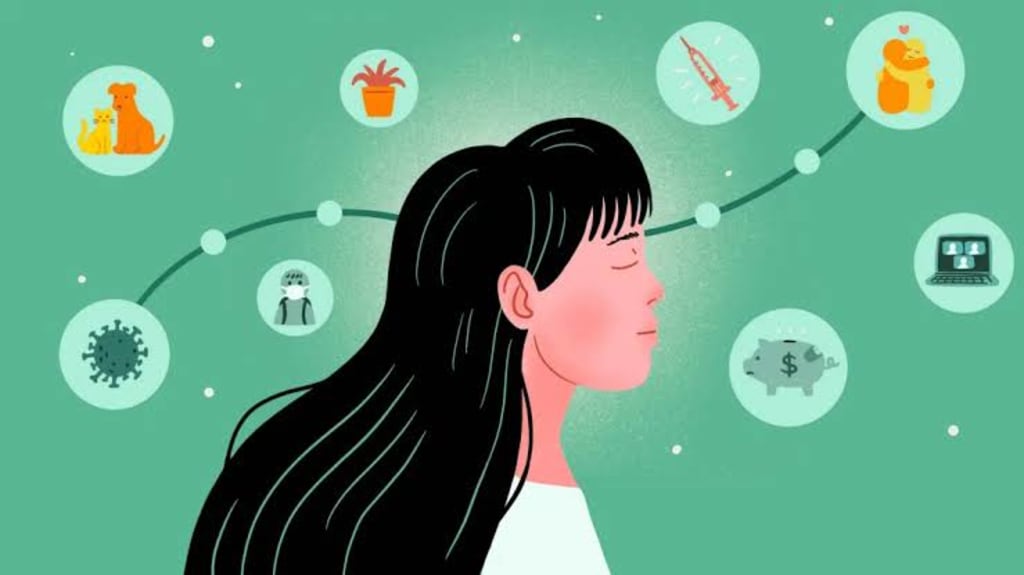
The Importance of Mental Health
Mental health is vital for several reasons. It influences how we handle stress, relate to others, and make choices. Poor mental health can lead to various issues, including anxiety, depression, and stress-related disorders. Mental health is more than just the absence of mental disorders; it is a state of well-being where individuals realize their abilities, can cope with normal stresses of life, work productively, and contribute to their communities.
Statistics show that mental health issues are prevalent. Approximately one in four people will experience a mental health problem at some point in their lives. This highlights the need for greater awareness and understanding of mental health.
Common Mental Health Issues
Some common mental health issues include:
- Anxiety Disorders: Including generalized anxiety disorder, panic disorder, and phobias. Individuals with anxiety disorders often experience excessive fear or worry.
- Depression: This mood disorder can cause persistent sadness and loss of interest in activities. It affects how a person feels, thinks, and handles daily activities.
- Stress: While stress is a natural response to challenges, chronic stress can lead to serious health problems, including anxiety and heart disease.
- Obsessive- Compulsive Disorder (OCD): Involves unwanted repetitive thoughts (obsessions) and behaviors (compulsions) that a person feels driven to perform.
- Post-Traumatic Stress Disorder (PTSD): This condition can develop after a person has experienced or witnessed a traumatic event.
Recognizing the signs of these disorders is the first step toward seeking help. Symptoms may include changes in mood, behavior, or relationships. If you or someone you know is struggling, it's important to reach out for support.
Ways to Improve Mental Health and Well-Being
Improving mental health involves a combination of self-care practices and professional help. Here are some effective strategies:
1. Stay Active: Regular physical activity can boost mood and reduce stress. Aim for at least 30 minutes of exercise most days. Activities like walking, dancing, or yoga can be particularly beneficial.
2. Connect with Others: Building strong relationships with family, friends, and community can provide support during tough times. Talking to someone you trust can help alleviate feelings of loneliness and isolation.
3. Practice Mindfulness and Meditation: Mindfulness involves focusing on the present moment without judgment. Meditation can help calm the mind and reduce anxiety. Both practices have been shown to improve mental well-being.
4. Eat a Healthy Diet: Nutrition plays a vital role in mental health. Foods rich in omega-3 fatty acids, antioxidants, and vitamins can positively affect mood and cognitive function. Aim for a balanced diet with plenty of fruits, vegetables, whole grains, and lean proteins.
5. Get Enough Sleep: Quality sleep is essential for mental health. Aim for 7-9 hours of sleep each night. Establishing a bedtime routine and creating a restful environment can help improve sleep quality.
6. Seek Professional Help: If you are struggling with your mental health, consider reaching out to a mental health professional. Therapy can provide valuable tools for coping with challenges and improving overall well-being. Therapists can offer support and strategies tailored to your needs.
The Role of Community
Communities play a significant role in promoting mental health and well-being. Community programs that provide mental health resources, workshops, and support groups can foster a sense of belonging and encourage individuals to seek help. Schools, workplaces, and local organizations can also implement initiatives to promote mental well-being, such as awareness campaigns and mental health days.
Conclusion
Mental health and well-being are vital components of a healthy life. By understanding the importance of mental health and incorporating simple self-care practices into our daily routines, we can significantly enhance our well-being. Remember, it’s okay to seek help when needed, and supporting one another can create a more understanding and compassionate world.
Taking small steps every day can lead to lasting improvements in mental health. By prioritizing mental well-being, we can live happier, healthier lives and foster a positive environment for ourselves and those around us.
About the Creator
Tipu Das
Hi, I’m Tipu! I love storytelling and exploring various topics. Whether it's history, trends, or personal growth, I'm here to share insights. Join me on this journey as we discover new ideas together!


Comments
There are no comments for this story
Be the first to respond and start the conversation.