
Living in the Heights: Daily Life in Himalayan Villages of Himachal Pradesh
Experience the authentic lifestyle of villages in Himachal Pradesh, where tradition meets nature. Discover daily life in Himalayan villages—from farming and festivals to architecture and culture—revealing a resilient, soulful way of living in the mountains.
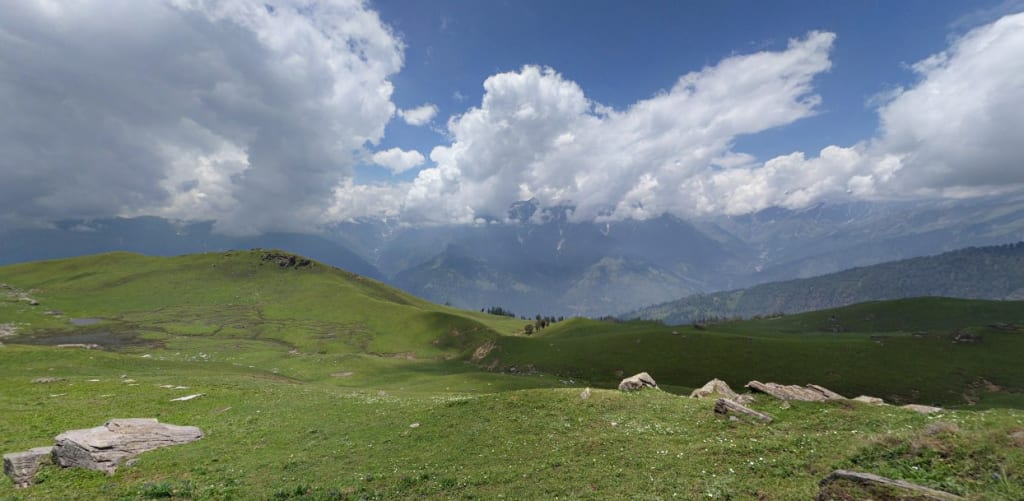
In the far reaches of Himachal Pradesh, tucked between towering peaks and forested slopes, lies a world that beats to the rhythm of tradition, nature, and quiet perseverance. The lifestyle of villages in Himachal Pradesh is not just different—it's a living example of coexistence with the natural world. Life in these Himalayan hamlets is slow yet meaningful, with a deep connection to the land, the seasons, and centuries-old customs that remain untouched by rapid urbanization. Understanding the lifestyle of villages nestled in the high Himalayas offers a glimpse into a world where survival and culture go hand in hand.
Harmony with Nature: A Way of Life
Villagers here depend heavily on the environment for their basic needs. Most households practice subsistence farming, cultivating traditional crops such as barley, wheat, potatoes, and kidney beans (rajma). Terraced fields contour the steep slopes, forming an iconic part of the Himalayan landscape. Animal husbandry complements agriculture, with families rearing sheep, cows, goats, and even yak in higher altitudes. Milk, wool, and manure are integral to daily life.
Seasons dictate village routines. Summer is time for sowing and festivals, while autumn brings the harvest. Winters are long and harsh, leading to indoor activities like weaving, preserving food, and storytelling by the fireplace. Rain and snow are not inconveniences—they are anticipated events that shape life and rituals.
Traditional Homes: Built to Withstand the Mountains
Houses in Himalayan villages are built to endure extremes of weather while being resource-efficient. Local materials like stone, mud, wood, and slate are used to construct sturdy homes. Ground floors typically serve as cattle sheds, while families live on the upper floors, insulated against the cold. In some regions, the traditional Kath-Kuni architecture—interlocking wood and stone—is still in use, known for its durability and quake-resistance.
The hearth or ‘bukhari’ (wood stove) is the heart of the home, used for both cooking and heating. Kitchens double up as community spaces where generations share meals and memories.
Clothing and Cuisine: Function Meets Culture
The traditional attire of Himachali villagers is both functional and cultural. Woolen garments, often handwoven, are essential in the cold climate. Men wear cholas (long coats) and women don heavy shawls, pattu, or ghagras with woolen blouses. In remote areas, clothes still carry ethnic embroidery that reflects tribal identities.
Food is simple, seasonal, and hearty. Dishes such as madra, siddu, chana dal, and rajma-chawal dominate the plate. Preservation techniques like sun-drying vegetables and fermentation (e.g., kinema or gundruk) ensure food security in winter months. Homegrown herbs and forest produce enrich the diet.
Water, Wood, and Fire: The Triad of Village Life
Water is typically sourced from natural springs or glacial streams, sometimes through bamboo pipelines. Wood remains a primary fuel, although its collection is regulated by traditional community norms or modern forest policies. Villagers engage in seasonal wood gathering to prepare for winter months.
Fire is not just heat—it symbolizes life. In winter, the firewood stove is where families gather, meals are cooked, and prayers are whispered. It’s the spiritual center of many homes.
Language and Oral Heritage
Despite globalization, the linguistic diversity in these villages remains strong. Dialects such as Pahari, Kinnauri, and Lahauli are still spoken at home. Folk tales, songs, and rituals are passed on orally, preserving histories that go back centuries.
Evenings are often spent singing traditional songs or listening to elders narrate lok kathayein—tales of gods, demons, and brave ancestors. These oral traditions hold the community together and keep their collective identity alive.
Festivals and Deity Worship
Life in these villages revolves around the local deities or devtas, each representing natural forces or mythological figures. Villagers organize grand processions and fairs in their honor. Deity temples are present in almost every hamlet, and their priests or oracles (known as gur or bajgi) play an important societal role.
Major festivals such as Dussehra, Fagli, and Losar are celebrated with great fervor. During these times, traditional dances like Nati and Kulluvi are performed in village squares, often accompanied by native instruments like dhol, narsingha, and ranasingha.
Education and Modernity: A Delicate Balance
With improved road connectivity and technology, more children now attend school, even in remote areas. However, infrastructure often remains limited. Many students must walk long distances daily to reach the nearest government school. Internet access is sparse but slowly improving, thanks to government initiatives and local NGOs.
Even as some youth migrate to cities for jobs or education, others return with a renewed desire to preserve their roots. They bring fresh ideas—like eco-tourism, sustainable farming, or local handicraft promotion—while maintaining the core values of the lifestyle of villages.
Challenges of Isolation
Despite the beauty, life isn’t easy. Remote Himalayan villages often face issues like limited healthcare, power outages, landslides, and economic uncertainty. Winters can cut off villages for weeks. Many villagers migrate seasonally to lower elevations or cities in search of work.
Yet this hardship also fosters resourcefulness and community resilience. Neighbors support one another, whether it’s during harvests, festivals, or emergencies. Social bonds are strong because survival often depends on them.
The Role of Women
Women form the backbone of the lifestyle of villages in Himachal Pradesh. From farming and animal care to weaving, cooking, and even participating in decision-making, their contribution is immense. In many places, they also manage homestays or co-operatives, playing a vital role in the local economy.
Women pass down traditions, songs, and skills to younger generations, ensuring cultural continuity. Their strength, both physical and emotional, defines much of daily life in these remote regions.
Spirituality and Connection with the Land
Nature isn’t just a resource—it’s sacred. Trees, rivers, mountains, and animals are all respected in the traditional belief system. Many villagers practice a blend of Hinduism, Buddhism, and animism, creating a spiritual ecology where daily life is filled with reverence.
Rituals like lighting incense at dawn, offering the first harvest to deities, or not cutting certain trees during specific months are woven into the lifestyle of villages here.
Tourism and Transformation
Tourism is slowly reshaping many villages. While it offers income and cultural exchange, it also brings environmental and social challenges. Some locals have opened homestays, guiding services, or craft workshops, combining tradition with livelihood.
To protect the fragile ecosystem and authentic village lifestyle, responsible tourism is essential. Travelers must respect local customs, minimize waste, and support local businesses to ensure positive outcomes.
Looking Ahead: Preserving a Priceless Heritage
The Himalayan villages of Himachal Pradesh represent more than scenic beauty—they embody a sustainable and soulful way of living. Amid modernization and climate change, there's a growing need to protect this heritage. Supporting local education, infrastructure, and environment-friendly livelihoods can help these communities thrive without losing their essence.
In a world moving at breakneck speed, the lifestyle of villages in Himachal Pradesh reminds us that living in harmony with nature, valuing relationships, and honoring tradition can lead to a more meaningful existence.
FAQs About Daily Life in Himalayan Villages of Himachal Pradesh
1. What makes the lifestyle of villages in Himachal Pradesh unique?
The lifestyle in Himachali villages is deeply rooted in nature, tradition, and community. People rely on seasonal farming, preserve age-old customs, and live sustainably, often using local materials for housing and herbal remedies for healthcare.
2. How do villagers survive during the harsh winters in Himachal Pradesh?
They prepare in advance by storing food grains, dried vegetables, and firewood. Homes are insulated using wood and stone, and people stay indoors, often around a wood stove, with support from close-knit communities.
3. Are there schools and healthcare facilities in remote Himalayan villages?
Basic education is available, though sometimes limited. Many students walk long distances to attend school. Primary healthcare is accessible in larger villages, but serious treatment often requires travel.
4. What role do festivals and local deities play in village life?
Festivals and deity worship form the backbone of the cultural identity. Celebrations, rituals, and local music preserve traditions and bring communities together.
5. How do villagers manage agriculture on steep terrains?
Terrace farming and centuries-old techniques help cultivate wheat, barley, and vegetables. Families also rear livestock, which complements crop production.
6. Is tourism affecting the lifestyle of Himalayan villages?
Yes, tourism brings economic benefits but also risks to culture and nature. Responsible travel is key to preserving the traditional lifestyle of villages in Himachal Pradesh.
About the Creator
Shivam Chandra
I'm a nature lover, adventure enthusiast, and travel blogger who has trekked across Uttarakhand, Himachal, Ladakh, and Nepal. Exploring new places and discovering hidden trails is what inspires me.
Keep reading
More stories from Shivam Chandra and writers in Lifehack and other communities.
My Top 5 Hiking Destinations in Himachal Pradesh, India
If you’ve ever felt that urge to leave everything behind, grab your backpack, and walk into the wild mountains, then the Land of Snow "Himachal Pradesh" is probably already on your radar. This Indian Himalayan state is a dream for anyone who loves hiking, whether you’re a first-time backpacker, an experienced mountaineer, or an adventure lover who craves high-altitude thrill.
By Shivam Chandra9 months ago in Lifehack
Absolutely 100% Free Stuff With No Shipping Costs
In a world where everything seems to come with a price tag—including “free” offers that sneak in unexpected shipping fees—it can feel impossible to get truly free items. But with the right strategies, resources, and platforms, it is completely possible to score legitimate, 100% free stuff with no shipping costs or hidden charges. Whether you're looking to save money, reduce waste, or simply love the thrill of discovering freebies, this guide will walk you through the best ways to find authentic no-cost items online and in your local community.
By Master Binz6 days ago in Lifehack
Complete Guide to Wi-Fi Password Recovery & Protection
Understanding Wi-Fi Security Forgetting your Wi-Fi password is a common frustration in our connected world. This comprehensive guide explores legitimate methods to recover lost Wi-Fi credentials while emphasizing network security best practices. Whether you're a homeowner locked out of your network or an IT professional assisting users, this article provides ethical solutions while reinforcing the importance of protecting wireless networks from unauthorized access.
By Alexander Hoffmann4 days ago in Lifehack
Rachel Reviews: The Spiral Archive by Pieter Hendrik
It's difficult for me to know where to start with a review of this book as it was, for me, an entirely unique experience and one that I'll probably never have again. I don't want that to be interpreted as unenjoyable but it has left me scratching my head a little and ruminating on its content, its themes and its characters.
By Rachel Deeming2 days ago in BookClub


Comments