
Intermittent Fasting 2.0: The Latest Trends for Shedding Weights.
Revolutionize Your Health: Smarter Fasting Strategies, Personalized Plans, and Science-Backed Tips for Effective Weight Loss.

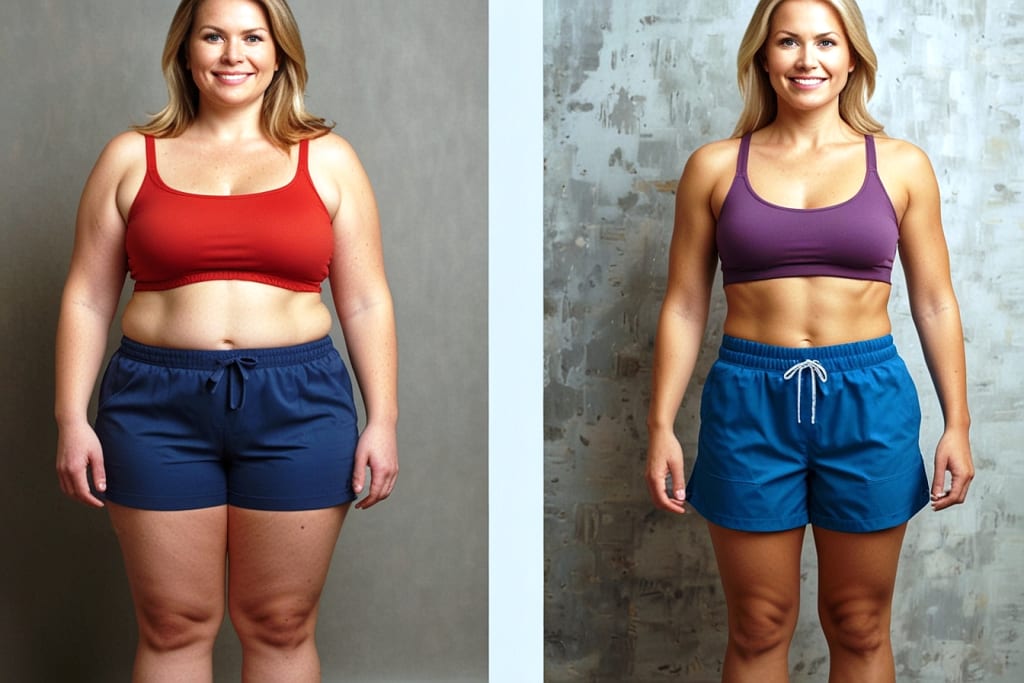
Intermittent fasting (IF) has been a buzzword in the health and wellness world for years, and for good reason. This eating pattern, which alternates between periods of eating and fasting, has been praised for its ability to promote weight loss, improve metabolic health, and even extend lifespan. But as with any popular health trend, intermittent fasting is evolving. Welcome to Intermittent Fasting 2.0—a new era of fasting strategies that are more personalized, flexible, and science-backed than ever before.
In this article, we’ll explore the latest trends in intermittent fasting, how they work, and why they might be the key to helping you shed those stubborn pounds.
What is Intermittent Fasting 2.0?
Intermittent Fasting 2.0 builds on the foundation of traditional IF but incorporates modern research, technology, and lifestyle adaptations to make fasting more effective and sustainable. While the classic 16:8 method (16 hours of fasting followed by an 8-hour eating window) remains popular, new approaches are emerging to cater to different goals, body types, and schedules.
The core principle of IF 2.0 is still the same: by restricting your eating window, you give your body a chance to burn stored fat for energy, regulate hormones, and improve cellular repair processes. However, the latest trends focus on optimizing these benefits through advanced techniques, such as combining fasting with specific diets, leveraging wearable tech, and tailoring fasting schedules to individual needs.
The Latest Trends in Intermittent Fasting:
1. Circadian Rhythm Fasting:
One of the hottest trends in IF 2.0 is aligning your fasting schedule with your body’s natural circadian rhythm. This means eating during daylight hours and fasting overnight, which aligns with your body’s internal clock. Research suggests that eating late at night can disrupt metabolism and lead to weight gain, so this approach emphasizes finishing your last meal by 7 or 8 PM and breaking your fast with a nutritious breakfast the next morning.
2. Fasting with a keto or low-carb twist:
Combining intermittent fasting with a ketogenic or low-carb diet is gaining traction. When you fast, your body eventually shifts to burning fat for fuel. Pairing fasting with a low-carb diet can accelerate this process, helping you enter ketosis faster and burn fat more efficiently. This combo is particularly popular among those looking to lose weight quickly or improve insulin sensitivity.
3. Personalized Fasting Schedules:
Not everyone thrives on the same fasting schedule, and IF 2.0 recognizes this. Apps and wearable devices now help users track their glucose levels, activity, and sleep patterns to create customized fasting plans. For example, some people may do better with a 14:10 schedule, while others might benefit from longer fasts like 18:6 or even alternate-day fasting.
4. Time-Restricted Eating with Protein Prioritization:
While traditional IF focuses on when you eat, IF 2.0 also emphasizes what you eat. A growing trend is to prioritize protein during your eating window to preserve muscle mass and boost metabolism. This approach is especially popular among fitness enthusiasts who want to lose fat without sacrificing muscle.
5. Fast Mimicking Diets (FMD):
Popularized by longevity researcher Dr. Valter Longo, the Fast Mimicking Diet involves eating a very low-calorie, plant-based diet for 5 days each month. This mimics the effects of a prolonged fast without requiring you to go without food entirely. FMD is gaining attention for its potential to promote weight loss, reduce inflammation, and support cellular regeneration.
6. Intermittent Fasting for Women:
Women’s bodies respond differently to fasting due to hormonal fluctuations, and IF 2.0 addresses this with tailored approaches. For example, some women find success with shorter fasting windows (12–14 hours) or cycling their fasting schedule to align with their menstrual cycle. This trend emphasizes listening to your body and adjusting your fasting routine as needed.
Why Intermittent Fasting 2.0 Works for Weight Loss:
The science behind intermittent fasting is solid. By extending the time between meals, your body depletes its glycogen stores and starts burning fat for energy. This process, known as metabolic switching, is at the heart of IF’s weight loss benefits. But IF 2.0 takes it a step further by optimizing this process through personalized strategies and combining fasting with other health-boosting practices.
Additionally, fasting helps regulate hormones like insulin and ghrelin, which play a key role in hunger and fat storage. By keeping insulin levels low during fasting periods, your body is better able to access stored fat and use it as fuel.
Tips for Getting Started with Intermittent Fasting 2.0:
1. Start Slow: If you’re new to fasting, begin with a shorter fasting window (like 12:12) and gradually increase it as your body adapts.
2. Stay Hydrated: Drink plenty of water, herbal teas, and black coffee during your fasting periods to stay hydrated and curb hunger.
3. Focus on Nutrient-Dense Foods: When you do eat, prioritize whole, unprocessed foods like lean proteins, healthy fats, and fiber-rich vegetables to maximize the benefits of fasting.
4. Listen to Your Body: Pay attention to how your body responds to fasting. If you feel fatigued or overly hungry, adjust your schedule or eating window accordingly.
5. Use Technology: Consider using apps or wearable devices to track your progress and fine-tune your fasting routine.
The Bottom Line:
Intermittent Fasting 2.0 is all about making fasting more accessible, effective, and sustainable. Whether you’re a seasoned faster or just starting out, these latest trends offer new ways to harness the power of fasting for weight loss and overall health. By personalizing your approach and staying informed about the latest research, you can unlock the full potential of intermittent fasting and achieve your weight loss goals. So, are you ready to embrace Intermittent Fasting 2.0? The future of fasting is here, and it’s more exciting than ever!
About the Creator
Mohammad Jamal Uddin
I am a Mechanical Engineer with experience in the frozen foods processing industry and specialized in providing consulting services for frozen foods processing projects.
Keep reading
More stories from Mohammad Jamal Uddin and writers in Lifehack and other communities.
10 Science-Based Weight Loss Hacks You Haven’t Tried Yet
Losing weight can feel like an uphill battle, especially when traditional methods like calorie counting and intense workouts don’t seem to work. But what if there were science-based strategies you haven’t tried yet? From optimizing your sleep to leveraging the power of your gut microbiome, here are 10 lesser-known weight loss hacks that could help you achieve your goals.
By Mohammad Jamal Uddin11 months ago in Lifehack
Why a USB-C Multiport Hub Is One of the Most Important Tools for Remote Work
Remote work has become normal for many professionals around the world. People across industries — from IT and HR to design, finance, and education — now rely on laptops to complete their daily tasks. While laptops are powerful and portable, they often come with a downside: limited ports. This common hardware limitation can disrupt workflow, lower productivity, and create frustration — especially for workers who connect multiple devices.
By Bahati Mulishi7 days ago in Lifehack


Comments
There are no comments for this story
Be the first to respond and start the conversation.