
10 Science-Based Weight Loss Hacks You Haven’t Tried Yet
Transform Your Routine with These Simple, Research-Proven Strategies for Sustainable Results

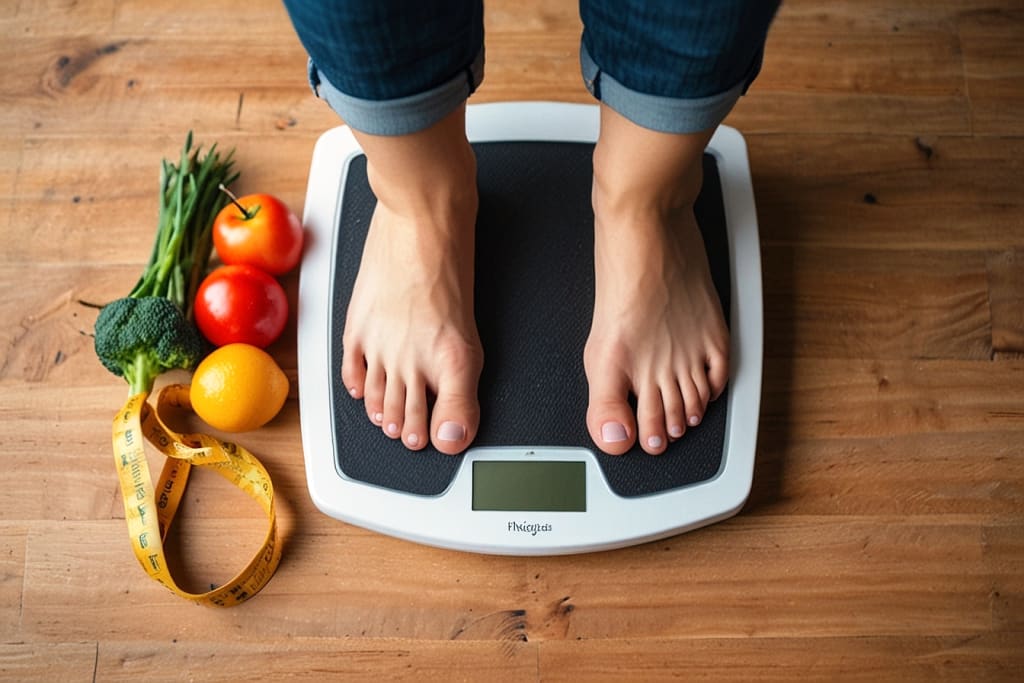
Losing weight can feel like an uphill battle, especially when traditional methods like calorie counting and intense workouts don’t seem to work. But what if there were science-based strategies you haven’t tried yet? From optimizing your sleep to leveraging the power of your gut microbiome, here are 10 lesser-known weight loss hacks that could help you achieve your goals.
1. Prioritize Protein at Breakfast:
Starting your day with a high-protein breakfast can set the tone for better eating habits throughout the day. Studies show that protein increases satiety, reduces hunger hormones, and helps stabilize blood sugar levels. Try eggs, Greek yogurt, or a protein smoothie to kick start your metabolism.
2. Drink Water Before Meals:
Drinking a glass of water 30 minutes before meals can help you eat less. Research suggests that this simple habit can reduce calorie intake by up to 13%. Water fills your stomach, making you feel fuller and less likely to overeat.
3. Leverage the Power of Fiber:
Fiber-rich foods like vegetables, fruits, and whole grains not only keep you full but also improve gut health. Soluble fiber, in particular, forms a gel-like substance in your gut, slowing digestion and reducing appetite. Aim for at least 25–30 grams of fiber daily.
4. Optimize Your Sleep:
Poor sleep is linked to weight gain and increased cravings for unhealthy foods. When you’re sleep-deprived, your body produces more ghrelin (the hunger hormone) and less leptin (the satiety hormone). Aim for 7–9 hours of quality sleep each night to support weight loss.
5. Practice Mindful Eating:
Mindful eating involves paying attention to your food, savoring each bite, and eating without distractions. This practice can help you recognize hunger and fullness cues, preventing overeating. Studies show that mindful eating can lead to significant weight loss over time.
6. Incorporate Strength Training:
While cardio burns calories, strength training builds muscle, which boosts your resting metabolic rate. This means you’ll burn more calories even at rest. Incorporate resistance exercises like weightlifting or bodyweight workouts 2–3 times per week.
7. Use Smaller Plates and Utensils:
Trick your brain into eating less by using smaller plates and utensils. Research shows that people tend to eat less when their portions look larger on a smaller plate. This simple hack can help you control portion sizes without feeling deprived.
8. Spice Up Your Meals:
Adding spices like chili peppers, cayenne, or turmeric to your meals can boost metabolism and reduce appetite. Capsaicin, the compound that gives chili peppers their heat, has been shown to increase calorie burning and fat oxidation.
9. Manage Stress Effectively:
Chronic stress can lead to weight gain by triggering the release of cortisol, a hormone that promotes fat storage, especially around the abdomen. Incorporate stress-reducing practices like meditation, yoga, or deep breathing exercises into your daily routine.
10. Experiment with Time-Restricted Eating:
Time-restricted eating, a form of intermittent fasting, involves eating all your meals within a specific window (e.g., 8–10 hours). This approach can help regulate hunger hormones, improve insulin sensitivity, and promote fat loss. Start with a 12-hour window and gradually reduce it as your body adapts.
Final Thoughts:
Weight loss doesn’t have to be complicated or restrictive. By incorporating these science-backed hacks into your lifestyle, you can create sustainable habits that support your goals. Remember, consistency is key, and small changes can lead to big results over time. Give these strategies a try and see what works best for you!
About the Creator
Mohammad Jamal Uddin
I am a Mechanical Engineer with experience in the frozen foods processing industry and specialized in providing consulting services for frozen foods processing projects.
Keep reading
More stories from Mohammad Jamal Uddin and writers in Lifehack and other communities.
Intermittent Fasting 2.0: The Latest Trends for Shedding Weights.
Intermittent fasting (IF) has been a buzzword in the health and wellness world for years, and for good reason. This eating pattern, which alternates between periods of eating and fasting, has been praised for its ability to promote weight loss, improve metabolic health, and even extend lifespan. But as with any popular health trend, intermittent fasting is evolving. Welcome to Intermittent Fasting 2.0—a new era of fasting strategies that are more personalized, flexible, and science-backed than ever before.
By Mohammad Jamal Uddin11 months ago in Lifehack
When a House Needs More Than Repairs
There is a moment in every home when something begins to feel tired. It might be a kitchen cabinet that doesn’t close the way it used to. A bathroom tile that has cracked and been ignored for months. A draft that sneaks in each winter and reminds you that the walls are older than you realized. Houses age quietly. They don’t announce their wear. They simply absorb years of living — footsteps, arguments, laughter, spilled coffee, birthdays — until one day you notice that the space no longer reflects who you are now.
By House Doctora day ago in Lifehack
From Sliders to AI: How Photo Editing Tools Evolved in 2026
Not long ago, photo editing was a slow and technical process. Creators spent hours adjusting sliders, layering masks, correcting colors, and zooming in pixel by pixel to achieve the desired result. Brightness, contrast, exposure, sharpness—every small change required manual effort and a fair amount of patience. For professionals, this workflow was familiar. For beginners, it was often intimidating.
By Shahid Sipra2 days ago in Lifehack



Comments
There are no comments for this story
Be the first to respond and start the conversation.