
How to Treat a Cutting Board: Your Ultimate Care Guide
Simple tips on how to treat a cutting board properly
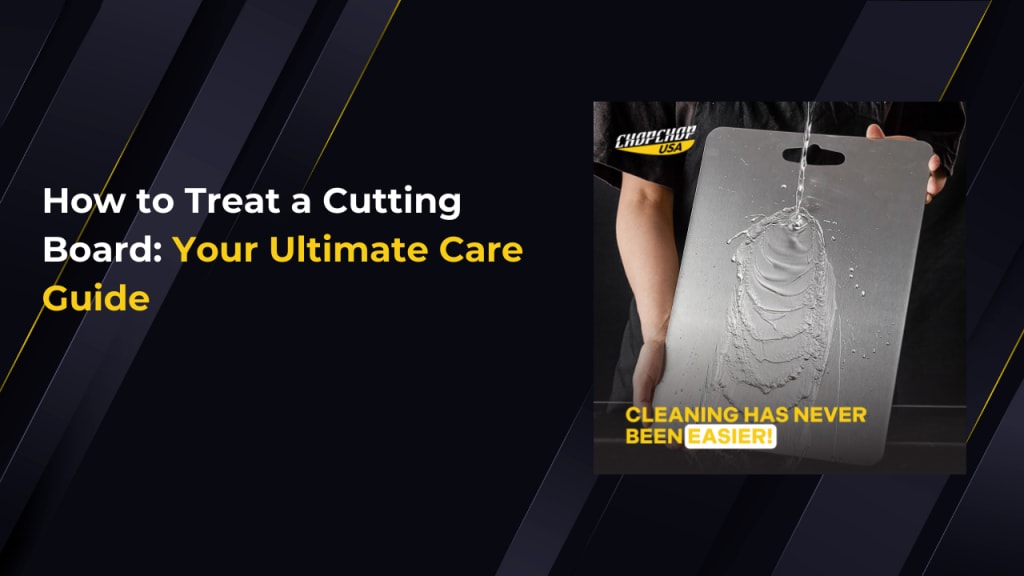
A cutting board is one of the most important kitchen tools. Whether you’re chopping vegetables, slicing fruit, or preparing meat, it’s essential. Learning how to treat a cutting board keeps it safe, clean, durable, and ready for daily use.
In this guide, we’ll cover daily cleaning, deodorizing, and maintenance. You’ll also learn mistakes to avoid, explore the benefits of titanium and stainless steel cutting boards, and discover how to choose the best material for cutting board durability and care.
Why It’s Important to Know How to Treat a Cutting Board

A cutting board touches raw meat, vegetables, and fruits daily, making it a breeding ground for bacteria. Learning how to treat a cutting board ensures food safety, reduces contamination risks, and creates a healthier kitchen environment for everyday cooking.
Proper treatment extends the life of your cutting board. Regular cleaning, drying, and oiling (for wood) prevent cracking, warping, and stains. When you know how to treat a cutting board, you also protect your knives from unnecessary dulling.
Ultimately, treating a cutting board is about more than maintenance—it’s about health. By consistently caring for your board, you protect yourself and your family. A well-treated cutting board remains reliable, durable, and safe for years of use.
Different Materials, Different Care

Not all cutting boards need the same care. While wood requires oiling, other materials differ. Knowing these differences is essential when learning how to treat a cutting board.
- Wood Boards: Classic and durable, but need the most care. Wash with soap and warm water, dry upright, and condition monthly with mineral oil to prevent cracks or warping.
- Plastic Boards: Dishwasher-safe and convenient, but grooves trap bacteria. Replace when cuts get too deep for safe use.
- Bamboo Boards: Harder and less porous than wood. Require oiling less often but still benefit from mineral oil to stay hydrated.
- Glass Boards: Easy to clean and stain-resistant, but dull knives quickly. Low-maintenance yet not ideal for frequent chopping.
- Titanium Boards: Non-porous, stain-resistant, and nearly maintenance-free. Wash, dry, and avoid harsh scrubbers—no oiling needed.
- Stainless Steel Boards: Durable, hygienic, dishwasher-safe. Won’t absorb odors but may dull knives. Use soft sponges to prevent scratches.
Each material changes care—treat yours accordingly.
How to Treat a Wooden Cutting Board
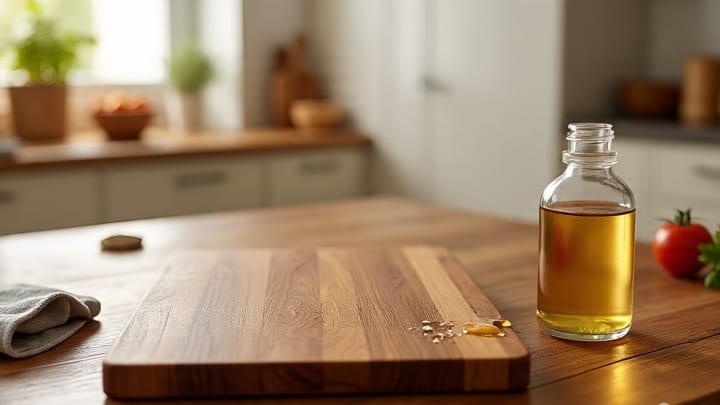
When learning how to treat a cutting board, wooden boards need the most care and attention to stay clean, conditioned, and long-lasting.
- Daily Cleaning Routine: Scrape off food, wash with mild soap and warm water, rinse, and dry upright. Proper daily care keeps wood safe and prevents bacteria buildup.
- Deeper Cleaning: Baking soda removes stains, while lemon juice or vinegar neutralizes odors naturally.
- Maintenance: Oil monthly with mineral oil or board cream to keep fibers strong and prevent cracking.
- What to Avoid: Never use dishwashers, soaking, vegetable oils, or abrasives.
- Restoring: Lightly sand deep grooves, clean, dry, then reapply oil to refresh the surface.
How to Treat a Bamboo Cutting Board

If you’re wondering how to treat a cutting board made of bamboo, the routine is similar to wood but requires less frequent oiling.
- Daily Cleaning Routine: Wash with mild soap and warm water, rinse, and dry upright. Bamboo resists moisture better than wood but still benefits from careful drying.
- Deeper Cleaning: Use lemon juice or vinegar for odors and baking soda for stains.
- Maintenance: Oiling is needed less often than for wood, but mineral oil helps prevent cracks.
- What to Avoid: Don’t soak or place in dishwashers; bamboo may split under high heat and water pressure.
- Restoring: Light sanding smooths knife grooves, followed by re-oiling to maintain strength and beauty.
How to Treat a Plastic Cutting Board
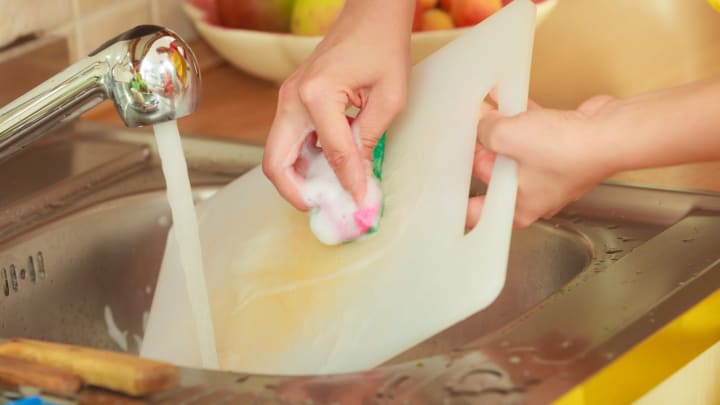
Knowing how to treat a cutting board made of plastic is simple since they’re the most maintenance-intensive option.
- Daily Cleaning Routine: Plastic boards are dishwasher-safe. After heavy use, wash with hot soapy water, rinse, and air dry.
- Deeper Cleaning: Sprinkle baking soda and scrub with vinegar for stubborn stains.
- Maintenance: No oiling is needed. Just rotate usage to avoid uneven wear.
- What to Avoid: Avoid deep knife cuts, as grooves harbor bacteria. Replace once the grooves are too deep.
- Restoring: Plastic boards can’t be resurfaced effectively—replacement is the safest option for hygiene.
How to Treat a Glass Cutting Board

When considering how to treat a cutting board made of glass, cleaning is easy—but knife care is the bigger challenge.
- Daily Cleaning Routine: Wash with warm soapy water or place in the dishwasher. Glass is non-porous, making cleaning simple.
- Deeper Cleaning: Wipe with vinegar or lemon juice for added freshness.
- Maintenance: No oiling or conditioning required. Glass resists stains and odors naturally.
- What to Avoid: Glass dulls knives quickly—avoid using expensive chef’s knives for heavy chopping.
- Restoring: Glass boards don’t require restoration. Replace if chipped or cracked for safety.
How to Treat a Titanium Cutting Board

If you want to know how to treat a cutting board with the least effort, titanium boards are your best option.
- Daily Cleaning Routine: Wash with soapy water or place in the dishwasher. Titanium is stain-resistant and hygienic.
- Deeper Cleaning: Odors and stains are rare, but wipe with vinegar if needed.
- Maintenance: No oiling required—titanium doesn’t absorb moisture.
- What to Avoid: Avoid harsh scrubbers; use soft sponges to maintain a sleek finish.
- Restoring: Titanium boards rarely need restoration—simply keep them clean for long-term performance.
How to Treat a Stainless Steel Cutting Board

When thinking about how to treat a cutting board, stainless steel offers a balance of hygiene, durability, and low maintenance.
- Daily Cleaning Routine: Wash with soapy water or put in the dishwasher. Dry immediately to prevent water spots.
- Deeper Cleaning: Use baking soda for stains and vinegar for freshness.
- Maintenance: No oiling required. Stainless steel resists absorption and cracking.
- What to Avoid: Don’t use abrasive steel wool—stick to soft sponges to protect the finish.
- Restoring: Resurfacing isn’t needed. With proper care, stainless steel boards stay strong for years.
ChopChop USA Titanium Cutting Board

The ChopChop USA Titanium Cutting Board is engineered for performance, hygiene, and long-term durability.
Unlike wood, titanium is non-porous, lightweight, and naturally resistant to stains and odors—making it one of the best choices when learning how to treat a cutting board for long-lasting use.
Why It’s a Must-Have:
- Cleaning: Wash with warm, soapy water or place in the dishwasher.
- No Oiling: Titanium doesn’t absorb moisture, so no conditioning is needed.
- Ultra-Durable: Built to resist warping, cracking, or deterioration.
- Antibacterial & Non-Toxic: Naturally resists bacterial growth, free from chemicals and microplastics.
- Gentle on Knives: Softer than steel, preserving blade sharpness.
- Cost-Effective: Outlasts plastic and wood, saving money long-term.
- Modern & Stylish: Professional-grade design with sleek appeal.
For busy cooks, the ChopChop USA Titanium Cutting Board is the ultimate low-maintenance, hygienic, and long-lasting kitchen upgrade.
ChopChop USA Stainless Steel Cutting Board

The ChopChop USA Stainless Steel Cutting Board is equally impressive—tough, hygienic, and designed for everyday cooking. It’s one of the best examples when learning how to treat a cutting board made for long-lasting durability and effortless care.
Why It’s a Smart Choice:
- Cleaning: Wash with warm soapy water or place in the dishwasher—it easily withstands heat and detergents.
- No Oiling: Stainless steel doesn’t absorb moisture, so conditioning isn’t required.
- Durable: Built to last with no risk of warping or cracking.
- Antibacterial: Provides a hygienic surface for safe food prep.
- Zero Microplastics: Non-toxic and chemical-free.
- Budget-Friendly: Reduces the need for frequent replacements.
- Best Value: Long-lasting with no replacements needed.
- Premium Choice: Combines performance, hygiene, and sleek modern style.
Stainless steel offers low-maintenance reliability, making it a trusted choice for both professional chefs and home cooks.
Final Thoughts
Knowing how to treat a cutting board ensures hygiene, protects knives, and extends the board’s life. From regular washing to proper maintenance, consistent care prevents damage, preserves appearance, and guarantees safe, enjoyable cooking for years.
Wooden boards need regular oiling and conditioning, while the ChopChop USA Titanium Cutting Board offers almost maintenance-free durability. Stainless steel is another reliable choice, combining hygiene with strength. Select the board that fits your lifestyle, and proper care will keep it lasting.
FAQs
How to Treat a Cutting Board?
The best way to treat a cutting board is by cleaning it daily, oiling wooden boards regularly, and avoiding dishwashers or soaking. Consistent care ensures hygiene, durability, and safe food preparation.
To clean a cutting board, scrape off residue, wash with mild soap and warm water, rinse well, and dry completely. For deeper cleaning, use baking soda, vinegar, or lemon juice.
Can You Put a Wooden Cutting Board in the Dishwasher?
No, wooden cutting boards should never go in the dishwasher. Heat and moisture cause warping, cracking, and damage. Hand washing with mild soap and water is the best method.
How Do I Clean a Wooden Cutting Board?
Clean a wooden cutting board with mild soap, warm water, and a thorough rinse. Dry upright to prevent warping. Oil monthly with food-grade mineral oil to keep it conditioned.
Are Titanium Cutting Boards Good?
Yes, titanium cutting boards are good because they’re non-porous, lightweight, and resistant to stains and odors. They’re nearly maintenance-free, hygienic, and considered one of the best materials for cutting board durability.
About the Creator
Keep reading
More stories from Olivia Kim and writers in Lifehack and other communities.
Best Cutting Board for Knives: Top Picks & Smart Choices
When it comes to caring for your cherished blades, choosing the best cutting board for knives matters more than you think. The right board not only preserves your knives' sharpness—it boosts your overall culinary experience.
By Olivia Kim6 months ago in Lifehack
Industrial Air Pollution Control: Why Clean Air is the Future of Manufacturing
Introduction Clean air isn’t just a matter of comfort in industrial settings—it’s a necessity. As industries expand and manufacturing processes become more advanced, the byproducts of production are having a significant impact on the environment and the health of workers. Factories, plants, and warehouses emit pollutants ranging from toxic gases to fine particulate matter, creating a hazardous atmosphere both indoors and outdoors. This blog explores how air pollution control has evolved into a core pillar of sustainable industrial growth, how regulations are shaping corporate responsibility, and why businesses must prioritise cleaner air strategies to remain competitive, ethical, and future-ready.
By Hafsa Usmani3 days ago in Lifehack
EMR Billing Solutions: A Complete Guide for Modern Healthcare Practices
Healthcare providers today face mounting administrative pressures alongside rising operational costs. Accurate documentation, timely claim submission, and regulatory compliance are critical for financial stability. EMR billing solutions offer an integrated approach that connects clinical records with revenue cycle management, improving efficiency and reimbursement outcomes.
By Tracee Jones3 days ago in Lifehack
Two Grumpy Old Men Solve the Problem
Marty and Steve were two grumpy old men who lived together. They had known each other for years. Marty had been a bachelor all his life. Steve said it was because no one could stand to ever live with. Marty’s standard reply was “Well, you are, so what sort of a moron does that make you!”
By Calvin Londona day ago in Humor


Comments
There are no comments for this story
Be the first to respond and start the conversation.