
How to Clean a Cutting Board: Step-by-Step Guide
Practical Cleaning Tips for Wood, Bamboo, Plastic, and More
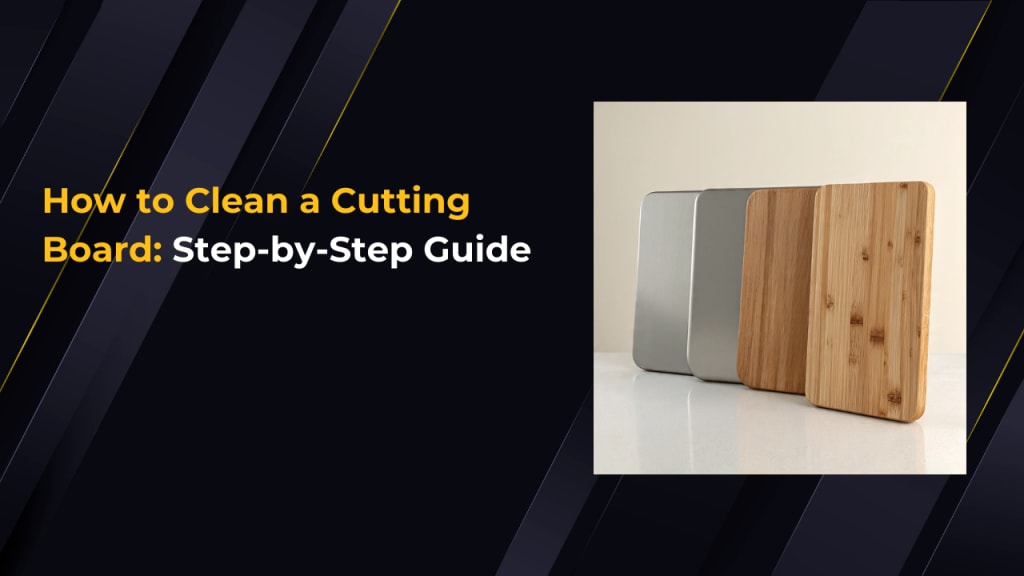
A cutting board handles daily chopping, from vegetables to meats, making it prone to bacteria, odors, and mold. Learning how to clean a cutting board is essential for hygiene, safety, and durability.
This guide covers cleaning methods for wood, bamboo, titanium, and plastic, plus expert maintenance tips and common mistakes to avoid. With proper care, your board stays fresh, lasts longer, and keeps your kitchen safe for every meal.
Why Cleaning Your Cutting Board Is So Important
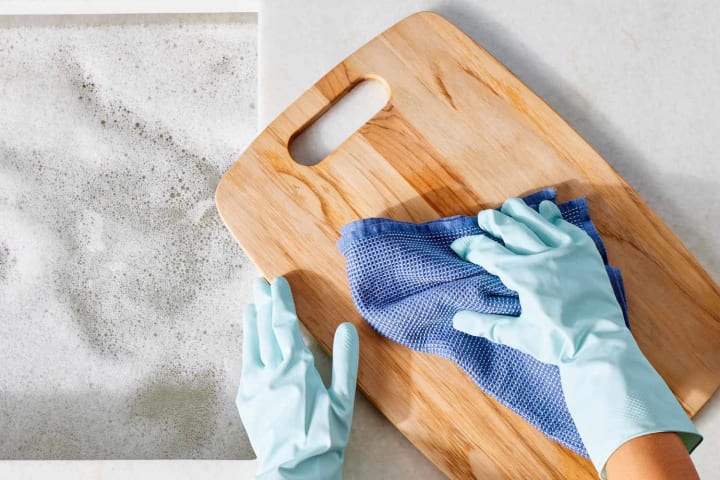
Cutting boards come into direct contact with nearly every ingredient in your kitchen. Raw meat, poultry, seafood, vegetables, fruits, and bread all leave behind residue. If neglected, this residue can cause bacterial buildup and cross-contamination.
Food safety experts warn that bacteria such as E. coli and Salmonella can survive on cutting boards for hours if not cleaned thoroughly. That means one careless mistake could transfer germs to your next meal.
Another overlooked reason to master how to clean a cutting board is longevity. A properly maintained board resists stains, odors, and cracks. Without proper care, even the best cutting boards will wear out faster.
How to Clean a Cutting Board by Material

Different cutting board materials require different care, so knowing how to clean a cutting board depends on what it’s made of. Wood needs gentle care, while plastic tolerates harsher sanitizing. Below are material-specific methods.
Titanium Cutting Boards
Titanium cutting boards are sleek, durable, and non-porous. Unlike wood or bamboo, they don’t absorb moisture or odors, which makes them relatively easy to clean and highly hygienic.
How to clean a cutting board made from titanium:
- Wash daily with mild soap and warm water. Always use a soft sponge to protect the surface.
- Disinfect with white vinegar to kill bacteria naturally and keep the board food-safe without harsh chemicals.
- Rinse and dry thoroughly with a clean towel to prevent water spots or streaks.
- Avoid abrasive pads or harsh powders, as they can scratch or dull the polished titanium finish.
- Polish occasionally with stainless-steel cleaner to restore shine and keep the board looking new.
Titanium cutting boards are long-lasting and resistant to wear, but like any kitchen tool, they benefit from consistent maintenance to ensure maximum hygiene and durability over time.
Wooden Cutting Boards
Wooden cutting boards are timeless, sturdy, and knife-friendly. Their natural grain looks beautiful, but because wood is porous, it can trap moisture, odors, and bacteria if not maintained properly.
Steps for how to clean a cutting board made of wood:
- Scrub daily with dish soap and warm water using a stiff brush.
- Disinfect with vinegar or hydrogen peroxide for a natural, non-toxic solution.
- Tackle stains with a paste of baking soda and water.
- Deep clean monthly by scrubbing coarse salt with half a lemon to lift buildup and odors.
- Oil regularly with food-grade mineral oil to keep the board from drying and cracking.
- Never soak or run through a dishwasher, as both lead to warping and splitting.
Pro tip: Always dry wooden boards upright to allow airflow on every side, ensuring they stay sanitary, smooth, and long-lasting.
Bamboo Cutting Boards
Bamboo is a sustainable, eco-friendly choice and a smart alternative to traditional wood. It’s naturally less porous, meaning it absorbs less liquid and resists odors. Many home cooks prefer bamboo as a reliable, non-toxic cutting board option.
How to clean a cutting board made of bamboo:
- Wash gently with mild soap and warm water after each use.
- Sanitize with a paste of salt and lemon to clean and freshen.
- Dry immediately with a towel—never let bamboo soak or sit wet.
- Oil routinely with food-grade mineral oil to prevent fibers from drying.
- Avoid dishwashers, as heat and steam weaken bamboo over time.
- Replace if cracks, warping, or deep cuts appear, since they harbor bacteria.
With consistent care, oiling, and proper drying, bamboo cutting boards can stay durable, safe, and beautiful in your kitchen for many years.
Plastic Cutting Boards
Plastic cutting boards are a kitchen staple thanks to their affordability, lightweight design, and dishwasher-safe convenience. Unlike wood, they’re non-porous, meaning they don’t absorb liquid or harbor odors as easily. Still, proper care is essential for safety.
Here’s how to clean a cutting board made of plastic:
Wash daily with hot, soapy water or place it in the dishwasher (top rack only).
- Sanitize using a diluted bleach solution: one tablespoon of bleach per gallon of water.
- Remove stains with a simple paste of baking soda and water.
- Eliminate odors by applying hydrogen peroxide, letting it bubble, then rinsing thoroughly.
- Replace the board once deep grooves or scratches appear, as these can trap harmful bacteria.
Plastic is convenient, but it’s important to monitor wear and tear closely.
Expert Tips for Cleaning Any Cutting Board

No matter the material, certain habits make your routine for how to clean a cutting board more effective. Follow these expert tips to get the most out of your cutting boards.
- Clean immediately after use – Don’t let juices, oils, or stains set.
- Sanitize weekly – A quick vinegar spray or bleach solution reduces bacterial growth.
- Use separate boards – Dedicate one to raw meat, one to produce, and one to bread.
- Avoid strong fragrances – Harsh cleaners can leave odors that transfer to food.
- Dry thoroughly – Air-dry upright whenever possible to prevent moisture buildup.
- Check for damage – Replace boards with cracks, splits, or deep grooves.
- Flip sides – Alternate sides of the board to even out wear.
Plastic cutting boards are convenient, but monitoring wear is key. Regular cleaning and timely replacement keep your non-toxic cutting board safe and ready for daily use.
Common Cleaning Mistakes to Avoid
Even with good intentions, many home cooks make mistakes when learning how to clean a cutting board. These errors can shorten its life or increase contamination risks. Here are the most common ones:
- Skipping the drying process – Wet boards attract bacteria and mold.
- Using bleach on wood – This damages fibers and leaves residue.
- Putting wood or bamboo in the dishwasher – High heat and steam warp them.
- Neglecting to sanitize after raw meat – Dangerous bacteria can spread.
- Keeping scratched plastic boards – Grooves trap germs and resist cleaning.
- Forgetting oiling – Wooden and bamboo boards dry out and crack without conditioning.
Avoiding these pitfalls is just as important as knowing how to clean a cutting board the right way
Deep Cleaning Methods for Stubborn Issues

Sometimes, daily washing isn’t enough. If your cutting board has lingering odors, stains, or mildew, try these advanced methods to bring it back to life:
- Salt and lemon scrub – Natural deodorizer for wood or bamboo.
- Baking soda paste – Gently removes stubborn stains on plastic.
- Hydrogen peroxide soak – Disinfects, kills bacteria, and neutralizes odors.
- Vinegar spray – Safe, eco-friendly cleaner for all board types.
- Light sanding – Refreshes wood or bamboo with deep cuts; finish with oiling.
Using these methods occasionally helps restore freshness, improve hygiene, and extend the lifespan of your board. Regular deep cleaning ensures a safer, longer-lasting surface for meal prep.
Choosing the Right Board and Caring Long-Term
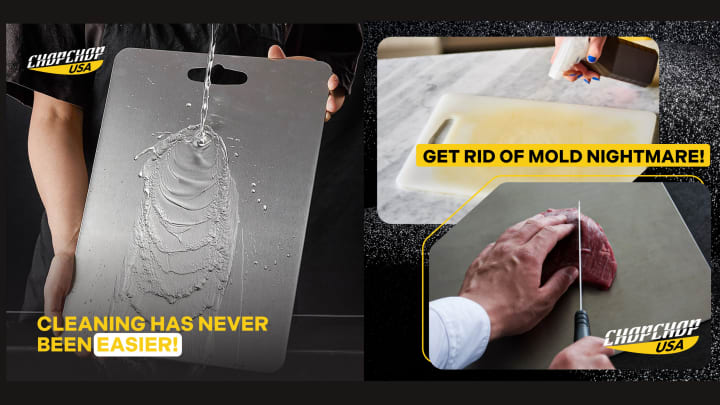
Not all cutting boards are the same. Wood is knife-friendly, and plastic is affordable and dishwasher safe. But for durability, hygiene, and the safest cutting board material, titanium stands out.
The ChopChop USA Titanium Cutting Board is a premium choice. Naturally antibacterial, lightweight, and scratch-resistant, it prevents food particles from hiding, making cleaning easier and safer.
Even if you know how to clean a cutting board, the material determines longevity. Titanium won’t warp, splinter, or stain, giving you years of reliable use.
Choosing the right board is about health and performance. With the ChopChop USA titanium cutting board, you get hygiene, safety, and sustainability in one long-lasting product.
Conclusion
Knowing how to clean a cutting board keeps your kitchen safe and your meals healthy. Regular care prevents bacteria, odors, and stains from building up.
Choose wisely, clean consistently, and invest in a durable non toxic cutting board like the ChopChop USA Titanium Cutting Board for long-term hygiene and peace of mind.
FAQs
How often should I clean my cutting board?
You should clean your cutting board after every use. Regular cleaning prevents bacteria, food odors, and stains from setting in, ensuring your board stays safe and hygienic.
Can I put wooden cutting boards in the dishwasher?
No, avoid dishwashers for wooden cutting boards. Heat and moisture can cause warping, cracking, or splitting. Instead, hand wash with mild soap, rinse thoroughly, and dry completely.
What’s the best way to remove odors?
Sprinkle baking soda or rub with lemon and salt to neutralize smells. These natural cleaning agents help refresh your cutting board without harsh chemicals or damage.
Do different foods need different cutting boards?
Yes, it’s best to use separate boards for raw meat, vegetables, and bread. This practice helps prevent cross-contamination, improves food safety, and keeps flavors fresh and distinct.
Are titanium cutting boards worth it?
Yes, titanium cutting boards like those from ChopChop USA are durable, non-toxic, and resistant to stains and bacteria, making them a smart, long-term investment for safe cooking.
About the Creator
Keep reading
More stories from Olivia Kim and writers in Lifehack and other communities.
Can You Put a Wooden Cutting Board in the Dishwasher?
In modern kitchens, convenience often competes with tradition. One of the most common questions cooks ask is: Can you put a wooden cutting board in the dishwasher? At first, it feels like a practical solution. Yet, the truth is more complicated.
By Olivia Kim6 months ago in Lifehack
The Quarterly OKR Review: Getting the Most from Your Retrospectives
The end of an OKR cycle is not simply an administrative milestone where scores are recorded and new objectives are set. It is, or should be, the most valuable learning opportunity in the entire process. Yet many organisations rush through their quarterly reviews, treating them as a box-ticking exercise rather than the strategic conversation they deserve.
By Jane Smithh28 minutes ago in Lifehack
When the Shelter Closes
Across the street from my house, a man slept under a tree, his dog by his side. My first, naive thought: he must be traveling through. But he kept coming back, often sleeping there during the day. Then it hit me—that person might not have a home.
By Bride of Sound5 days ago in Humans


Comments
There are no comments for this story
Be the first to respond and start the conversation.