
Best Cutting Board for Knives: Top Picks & Smart Choices
Knife-friendly boards for every kitchen

When it comes to caring for your cherished blades, choosing the best cutting board for knives matters more than you think. The right board not only preserves your knives' sharpness—it boosts your overall culinary experience.
In this guide, we’ll explore the materials, expert top picks, pros and cons, and tips to keep knives sharp and surfaces clean.
Why the Best Cutting Board for Knives Matters

Knives are delicate tools, and the wrong cutting surface can ruin them quickly. A hard surface like glass, marble, or stone may look attractive, but it will cause blades to chip, roll, or dull after just a few uses. Protecting your knives starts with the right board.
On the other hand, a surface that’s too soft—such as cheap plastic or low-quality boards—can retain deep grooves. These grooves collect food particles, trap bacteria, and wear unevenly, creating hygiene risks.
Over time, this makes the board unsafe and forces you to replace both knives and cutting boards more often.
The best cutting board for knives provides balance. It should:
- Protect blade sharpness
- Resist grooves and bacteria
- It is easy to clean
- Offer long-lasting durability
By choosing wisely, you extend your knives’ lifespan, improve safety, and make cooking more enjoyable.
Expert-Recommended Materials
Choosing the best material for cutting board is essential for protecting your knives and ensuring safe food prep. Experts often recommend wood, plastic, rubber, bamboo, or titanium—each offering unique benefits for durability, hygiene, and performance.
Wood (Especially End-Grain Hardwoods)
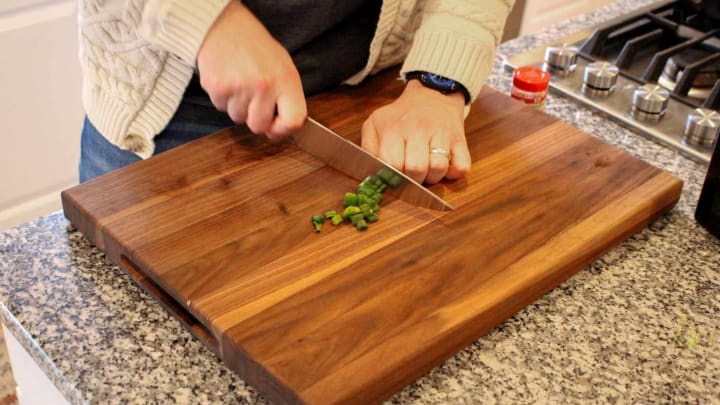
Wood cutting boards, especially end-grain, are widely considered the best cutting board for knives. The fibers naturally close after each cut, reducing deep grooves and protecting blade sharpness. Popular hardwoods include maple, walnut, cherry, and teak, known for their strength and beauty in the kitchen.
End-grain boards also act as a self-healing surface, where knife edges slide between fibers instead of against them. Benefits include:
- Gentle on knives
- Naturally durable
- Classic kitchen appeal
However, wood requires regular oiling and hand washing to prevent cracks and bacteria buildup.
Plastic (High-Density Polyethylene – HDPE)
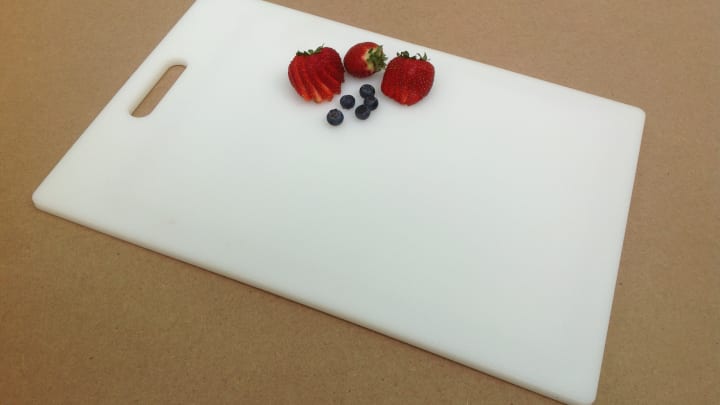
Plastic cutting boards made of HDPE are highly valued for their durability, hygiene, and convenience. Non-porous and dishwasher-safe, they don’t absorb odors or stains, making them perfect for busy kitchens that demand low maintenance and fast cleaning.
Chefs often recommend HDPE as the best cutting board for knives in professional kitchens. Key advantages:
- Affordable and widely available
- Color-coded options for food safety
- Easy to sanitize
While gentle on blades, plastic boards may wear out faster and show deep knife marks over time.
Synthetic Rubber
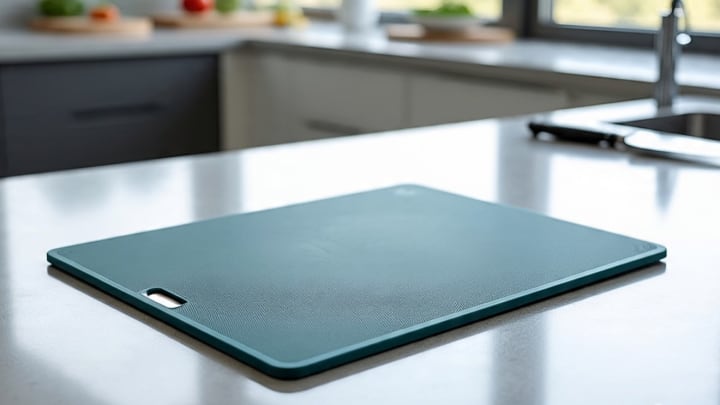
Synthetic rubber boards are a professional favorite, particularly in Japanese and sushi kitchens. They’re soft yet durable, offering the right amount of resistance to protect knife edges and extend blade sharpness during repeated use.
They’re considered among the best cutting board for knives because they combine:
- Shock absorption
- Non-porous, antibacterial qualities
- Wrist comfort while chopping
Though more expensive, rubber boards deliver professional-grade performance and last longer than many alternatives. They’re especially suited for chefs who rely on precision knives daily.
Bamboo

Bamboo cutting boards are an eco-friendly option, made from renewable materials. They resist scratches, absorb less moisture than wood, and offer a lightweight, stylish design that appeals to modern home cooks looking for sustainability.
However, bamboo is slightly harder than hardwoods, which may dull knives faster. Still, many consider it one of the best cutting board for knives if sustainability is a priority. Key points:
- Renewable and eco-friendly
- Durable and moisture-resistant
- Affordable price range
Proper care requires hand washing and occasional oiling to maintain surface quality.
Titanium
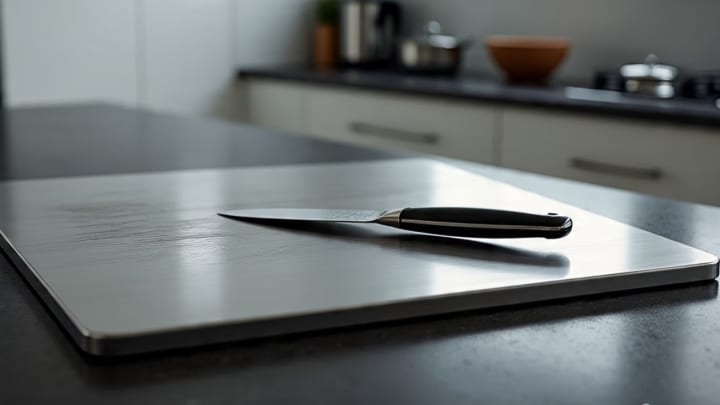
Titanium cutting boards are a modern innovation. They are ultra-light, strong, and non-porous, resisting stains, odors, and bacteria. These boards are dishwasher-safe, making them one of the most hygienic options for today’s kitchens.
Some chefs even call titanium the safest cutting board material. Key benefits include:
- 100% non-porous and antibacterial
- Dishwasher-safe with zero maintenance
- Ultra-durable and rust-resistant
When weighing titanium cutting board pros and cons, the biggest advantages are hygiene, durability, and effortless cleaning. The main drawback is cost, as titanium boards are more expensive, though their long lifespan offsets frequent replacements.
Top Picks for the Best Cutting Board for Knives
Here are expert-selected favorites that stand out in both performance and durability:
Ironwood Gourmet End-Grain Wood Cutting Board (Wood)

An affordable hero among wooden boards. Lightweight at just 7 pounds, it performed impressively in durability testing and didn't dull a blade even after 200 strokes—making it one of the best cutting board for knives in its price category.
Thirteen Chefs Large HDPE Cutting Board (Plastic)

A budget-friendly star, this HDPE board is durable, non-porous, dishwasher-safe, and gentle on blades—earning its place among the best cutting board for knives for everyday kitchens.
Yoshihiro Hi-Soft Rubber Cutting Board (Synthetic Rubber)

A professional favorite, especially in sushi prep, this board is soft, antibacterial, and extremely kind on knife edges. Many chefs consider it the best cutting board for knives when blade longevity is the top priority.
Totally Bamboo Big Kahuna Cutting Board (Bamboo)
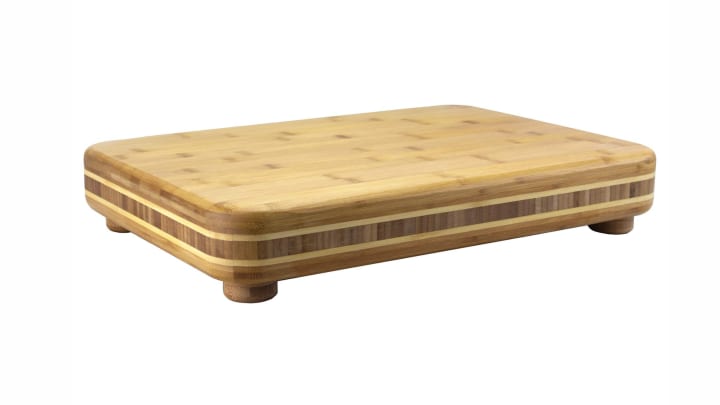
Built from premium bamboo, this oversized board is durable, eco-friendly, and resistant to warping. While slightly harder than hardwood, it’s one of the best cutting board for knives for cooks seeking a sustainable option.
ChopChop USA Titanium Cutting Board (Titanium)
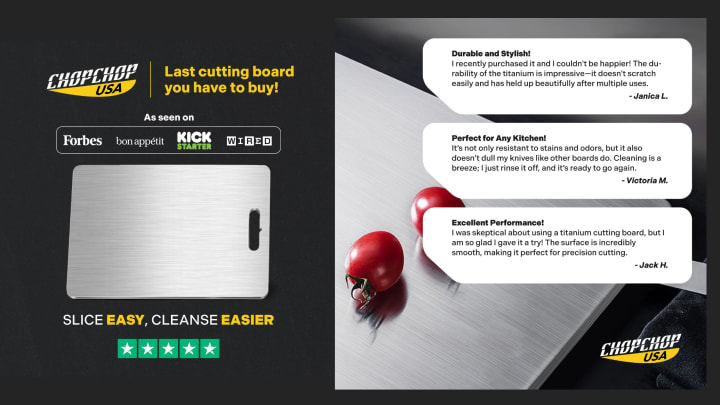
The ChopChop USA Titanium Cutting Board is built for cooks who value performance, hygiene, and long-term durability. With a sleek, modern design, it delivers both professional utility and household convenience.
- Ultra-Durable: Resists warping, cracking, and wear far better than plastic or wood.
- Naturally Antibacterial: Non-porous surface blocks bacteria, stains, and odors.
- Knife-Friendly: Softer than steel, helping protect blade edges.
- Easy to Clean: Dishwasher-safe and quick to rinse or wipe.
- Non-Toxic: Free from microplastics and harmful chemicals.
- Cost-Effective: Built to outlast cheaper boards with fewer replacements.
- Smart Investment: Combines durability, safety, and premium quality.
- Stylish & Functional: Professional-grade design meets modern kitchen aesthetics.
ChopChop USA Double-Sided Titanium Cutting Board (Titanium)
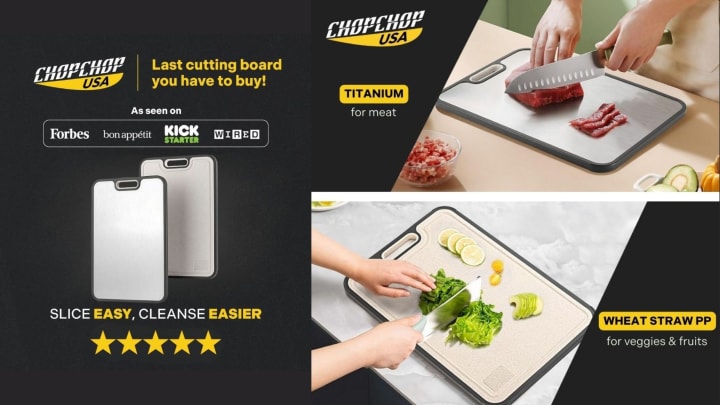
The ChopChop USA Double-Sided Titanium Cutting Board enhances versatility, offering a unique combination of strength, hygiene, and eco-conscious design. Perfect for families or professionals seeking efficiency in daily cooking.
- Titanium Side: Non-reactive, corrosion-resistant surface for raw meats and heavy-duty chopping.
- Wheat Fiber Side: Lightweight, biodegradable surface ideal for fruits, vegetables, and bread.
- Dual-Sided Design: Reduces mess and boosts kitchen efficiency.
- Hygienic & Non-Porous: Blocks bacteria, mold, and odors.
- Knife-Friendly: Strong enough for heavy prep, gentle on blade edges.
- Eco-Friendly: Sustainable materials support green cooking practices.
- Non-Toxic: Made without chemicals or microplastics.
- Long-Lasting: Built for years of reliable use.
- Effortless Cleaning: Fully dishwasher-safe and easy to wipe clean.
Knife-Friendly Material Comparison
Not all cutting boards treat your blades the same. This quick comparison shows which materials offer the best cutting board for knives, balancing durability, hygiene, and maintenance needs.

Expert Care Tips for Your Best Cutting Board for Knives

Taking care of your board is just as important as choosing the best cutting board for knives. With smart habits, you’ll protect your blades, maintain hygiene, and extend the life of every board.
- Match board to task: Reserve one board for raw meats (plastic or rubber), another for veggies or bread (wood). This avoids cross-contamination and optimizes blade care.
- Avoid glass, marble: These materials are too hard and can quickly damage your knife edges.
- Clean wisely: Plastic & rubber → dishwasher safe or hot soapy wash. Wood → wash with hot soapy water, then dry upright. Never submerge or use dishwasher.
- Oil periodically: For wood boards, treat with food-grade mineral oil 5–7 times a year to prevent drying/cracking.
- Rotate surfaces: End-grain wood self-heals over time; flip or rotate HDPE boards to distribute wear.
- Replace as needed: When grooves are too deep or the board is warped, it’s time for a new one—no board stays “best” forever.
Final Thoughts: Choosing the Best Cutting Board for Knives
For a classic, durable choice, pick end-grain hardwood like Ironwood Gourmet or John Boos. For low-maintenance convenience, HDPE plastic or eco-friendly bamboo works well. Rubber offers blade protection, while titanium delivers hygiene, durability, and modern style. The best cutting board for knives keeps blades sharp and cooking enjoyable.
FAQs
What is the best cutting board for knives overall?
The best cutting board for knives is usually an end-grain wooden board, as it’s gentle on blades, self-healing, and durable with proper care and oiling.
Are titanium cutting boards safe for knives?
Yes, titanium cutting boards are safe. They are non-porous, dishwasher-safe, lightweight, and won’t damage blades. They’re also bacteria-resistant, making them one of the safest cutting board materials.
Which cutting board is easiest to clean?
Plastic and titanium cutting boards are easiest to clean. Both are dishwasher-safe, non-porous, and resist odors and stains, making them low-maintenance options for everyday kitchens.
Do bamboo cutting boards dull knives?
Bamboo cutting boards are slightly harder than wood, so they may dull knives faster over time. However, they remain durable, eco-friendly, and a good option with proper care.
How often should I replace my cutting board?
Replace a cutting board when deep grooves, cracks, or warping appear. Wood may last decades with oiling, while plastic and bamboo boards typically last several years.
About the Creator
Keep reading
More stories from Olivia Kim and writers in Lifehack and other communities.
The Most Common Home Gym Equipment Mistakes — and How to Avoid Them
Buying home gym equipment should feel like a step toward better health and freedom. Instead, many people end up with expensive machines collecting dust, cluttering their space, or breaking far sooner than expected. Most of these problems aren’t caused by bad intentions — they come from a handful of very common mistakes.
By Enrique Navarro4 days ago in Lifehack
Standing While Falling
Quotation from Friedrich Nietzsche "He who wrestles long with monsters should beware lest he himself become a monster. And if you gaze long into an abyss, the abyss also gazes into you. Man is not destroyed by suffering, but by the meaning he makes of it."
By LUCCIAN LAYTH6 days ago in Critique


Comments
There are no comments for this story
Be the first to respond and start the conversation.