
How to Start Your Own Small Garden
Tips and Tricks for Creating a Thriving Miniature Garden in Your Own Backyard

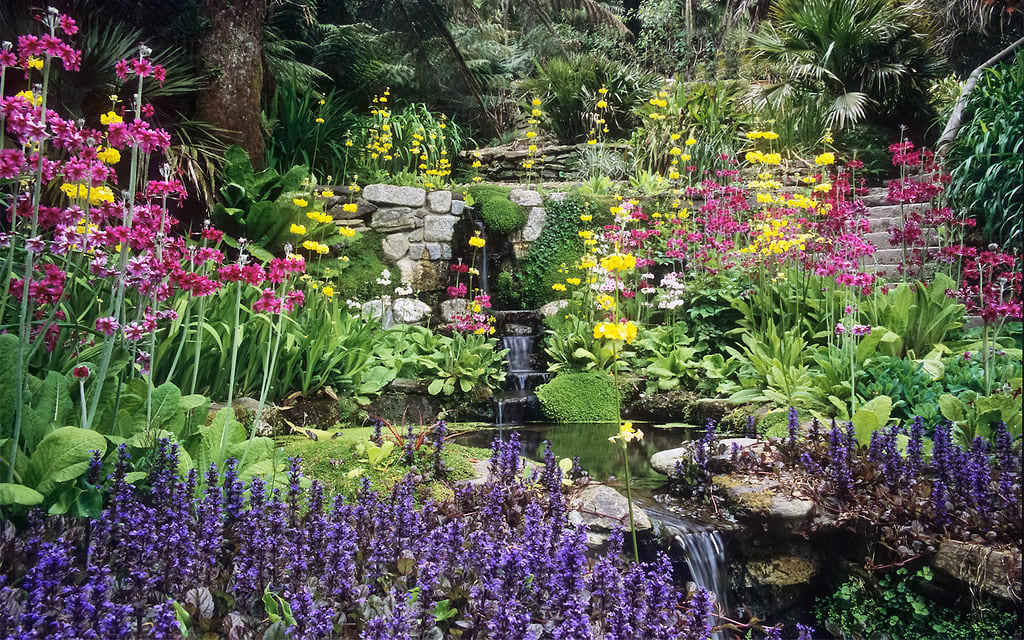
Starting a small garden can be a fulfilling and rewarding experience. Whether you're interested in growing your own vegetables, cultivating beautiful flowers, or simply enjoying the therapeutic benefits of gardening, creating a small garden is an excellent way to connect with nature and enhance your surroundings. In this article, we will guide you through the process of starting your own small garden, providing valuable tips and insights along the way.
Discover the joys of planning your garden, selecting the perfect plants, preparing the soil, and mastering essential planting and maintenance techniques. Uncover tips for pest and disease control, harvesting and enjoying your garden's bounties, and maximizing small spaces through clever gardening strategies. Troubleshoot common garden problems and gain the confidence to overcome them.
Gardening has become increasingly popular among individuals of all ages. It offers a range of benefits, including stress reduction, improved mental health, and the satisfaction of nurturing living plants. By starting your own small garden, you can experience these advantages firsthand while also enjoying the fruits, flowers, or herbs that your garden produces.
Planning Your Garden
Before you get your hands dirty, it's essential to plan your garden carefully. Assess the available space you have, whether it's a small patch of land in your backyard or a few containers on a balcony. Consider the type of garden you want to create, such as a vegetable garden for fresh produce or an herb garden for culinary purposes. Additionally, consider the sunlight and water requirements of the plants you intend to grow.
Selecting Plants
Choosing the right plants is crucial for a successful garden. Research plants that are suitable for your region's climate and growing conditions. Consider the growth requirements of different plants, such as their need for full sun or partial shade. Furthermore, think about the purpose of your garden and select plants accordingly. If you're interested in decorative gardening, opt for colorful flowers, while those who enjoy cooking may want to focus on herbs and vegetables.
Preparing the Soil
Before planting, it's important to prepare the soil properly. Test the soil composition to determine its pH level and nutrient content. Based on the results, add organic matter and nutrients to improve the soil's fertility. Ensure that the soil has proper drainage and is well-aerated, allowing the plant roots to access oxygen.
Planting and Maintenance
Once your soil is ready, it's time to start planting. Follow the instructions on seed packets or plant labels for proper spacing and planting depth. Provide adequate water and sunlight to help the plants establish themselves. Regularly monitor the moisture levels in the soil and adjust watering accordingly. Additionally, ensure that your plants receive the appropriate amount of sunlight based on their specific needs.
To maintain a healthy garden, it's important to engage in regular maintenance tasks. Pruning helps shape the plants and encourages healthy growth. Remove any weeds that compete with your plants for nutrients and space. Fertilize the soil periodically to provide essential nutrients for plant growth. By consistently maintaining your garden, you'll create an environment where your plants can thrive.
Pest and Disease Control
Garden pests and diseases can pose challenges to your plants. It's essential to identify common garden pests such as aphids, snails, or caterpillars. Implement natural pest control methods like companion planting, which involves growing certain plants together to repel pests or attract beneficial insects. If necessary, consider using organic or chemical pest control solutions to manage infestations effectively. Additionally, stay vigilant in monitoring your plants for signs of diseases and take appropriate measures to prevent or address them promptly.
Harvesting and Enjoying
One of the most satisfying aspects of having a garden is harvesting the rewards. Pay attention to the specific indicators that each plant exhibits when it's ready for harvest. This could include changes in color, size, or texture. By harvesting at the right time, you'll ensure the best flavor, fragrance, and appearance. Once harvested, explore creative ways to use your garden's produce. Incorporate fresh vegetables and herbs into your meals, create beautiful floral arrangements, or share your bountiful harvest with friends and neighbors.
Tips for Small-Space Gardening
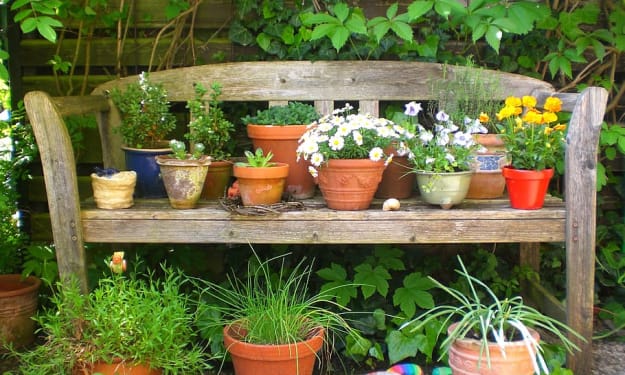
If you have limited space for gardening, there are various techniques you can employ to maximize your growing area. Container gardening is an excellent option for small spaces, allowing you to grow plants in pots, hanging baskets, or vertical planters. Vertical gardening utilizes wall spaces or trellises to grow plants vertically, making efficient use of space. Another strategy is companion planting, where different plants with complementary growth habits are grown together to optimize space and resources.
Troubleshooting Common Garden Problems
Gardening comes with its fair share of challenges, but with a proactive approach, you can overcome common problems. Nutrient deficiencies may occur if plants don't receive adequate fertilization. Learn to recognize the symptoms and adjust your fertilization routine accordingly. Overwatering or underwatering can harm plants, so it's important to find the right balance by observing the moisture needs of each plant. Additionally, be aware of common plant diseases and pests in your area and take preventive measures to keep them at bay.
In conclusion, starting your own small garden is a fulfilling and enjoyable endeavor. It allows you to connect with nature, grow your own food or create a beautiful outdoor space, and reap the benefits of a rewarding hobby. By following the steps outlined in this article, you can embark on a successful gardening journey, from planning and selecting plants to nurturing and enjoying the fruits of your labor. Get your hands dirty, embrace the wonders of nature, and watch your small garden flourish.
Frequently Asked Questions:
How much time do I need to dedicate to my small garden?
The time required for your garden depends on its size and the type of plants you choose. Generally, expect to spend a few hours each week on maintenance tasks such as watering, pruning, and weeding.
How do I deal with common garden pests without using harmful chemicals?
There are several natural pest control methods you can try. For example, introducing beneficial insects like ladybugs or lacewings can help control aphids and other pests. You can also use organic pest repellents such as neem oil or garlic spray. Additionally, practicing good garden hygiene, like removing debris and keeping the area clean, can help deter pests.
How can I make the most of a limited gardening space?
In small spaces, consider utilizing vertical gardening techniques such as trellises, hanging planters, or wall-mounted containers. This allows you to grow plants vertically, saving valuable space. Additionally, practice succession planting by replanting crops as
About the Creator
Bernardo Guevarra
A Profesional teacher in Mathematics who also loves writing. I want to share and publish some of my writngs to inspire other.
Keep reading
More stories from Bernardo Guevarra and writers in Lifehack and other communities.
20 Techniques to Make the Most of a Limited Gardening Space
When it comes to gardening, having a limited space doesn't mean you have to limit your green thumb's potential. Whether you have a tiny balcony, a small patio, or just a compact backyard, there are numerous ways to make the most of your limited gardening space. In this article, we'll explore a variety of strategies, techniques, and ideas that will help you create a beautiful and productive garden in even the smallest of areas. So, roll up your sleeves and let's dive into the exciting world of maximizing limited gardening spaces!
By Bernardo Guevarra3 years ago in Lifehack
Five Books You Should Have In Your Prepper Library
Part of being a prepper is being prepared, and your preparation should start with your library. While there are a lot of books you could have in your library, there are some obvious ones that should be in every preppers’ library, but it’s easy to forget some important books. These books should make your life a little easier, as they’re chock full of good advice and good information; they can be valuable additions to any library. Keep them on hand, and you can deal with any situation.
By Jamais Jochim3 days ago in Lifehack
What Is DTF Printing? A Beginner's Guide to Direct to Film Technology
DTF printing is a digital printing method that transfers full-color designs onto fabric using a special film as an intermediate carrier. Unlike traditional screen printing or direct-to-garment methods, DTF (Direct to Film) allows you to print vibrant graphics on nearly any fabric type, making it increasingly popular among custom apparel creators.
By Adria Hargrave3 days ago in Lifehack



Comments
There are no comments for this story
Be the first to respond and start the conversation.