
20 Techniques to Make the Most of a Limited Gardening Space
Maximizing Your Green Thumb: 20 Techniques for Thriving in a Small Garden

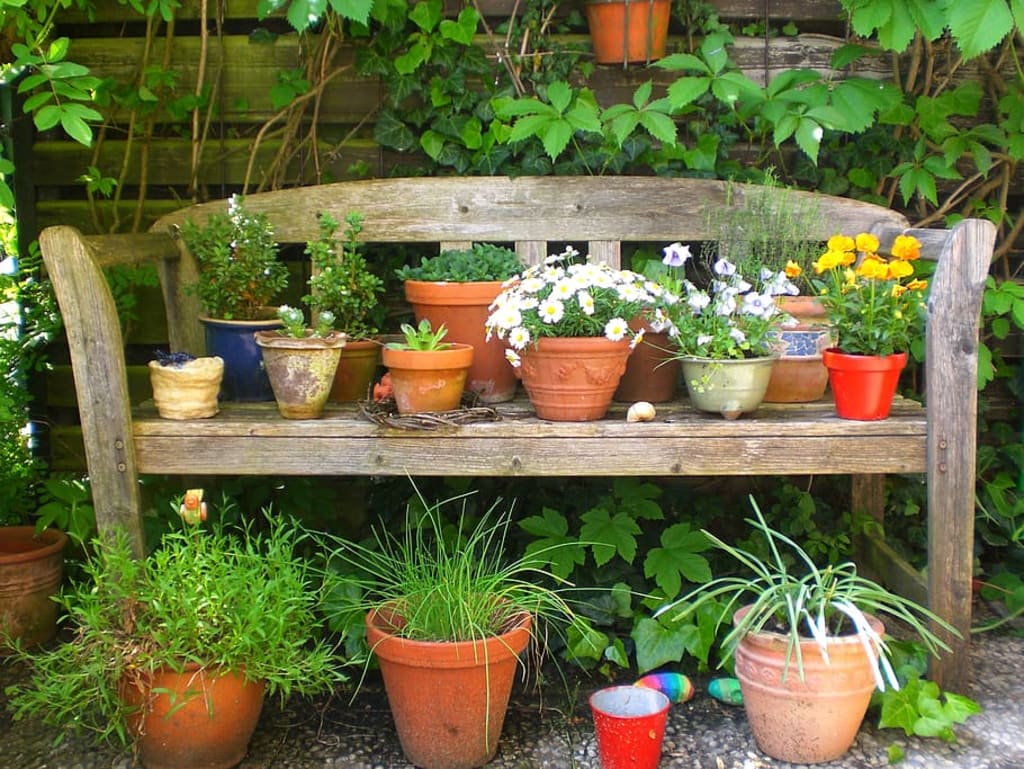
When it comes to gardening, having a limited space doesn't mean you have to limit your green thumb's potential. Whether you have a tiny balcony, a small patio, or just a compact backyard, there are numerous ways to make the most of your limited gardening space. In this article, we'll explore a variety of strategies, techniques, and ideas that will help you create a beautiful and productive garden in even the smallest of areas. So, roll up your sleeves and let's dive into the exciting world of maximizing limited gardening spaces!
Looking to make the most of your limited gardening space? Discover innovative strategies and creative ideas to maximize your gardening potential in even the smallest areas. From vertical gardening and hanging baskets to compact plant varieties and raised beds, this comprehensive guide provides practical tips and techniques for cultivating a flourishing garden in limited spaces. Embrace your green thumb and create a thriving oasis that showcases your gardening passion, no matter how small the space.
Creating a flourishing garden in a limited space requires careful planning, innovative solutions, and a touch of creativity. Let's explore some tried-and-true methods to make the most of your gardening area.
1. Embrace Vertical Gardening
Vertical gardening is a game-changer when it comes to utilizing limited spaces. By using vertical structures, such as trellises, hanging planters, and wall-mounted containers, you can grow a variety of plants without sacrificing valuable floor space. Consider growing climbing plants like tomatoes, beans, or cucumbers along trellises or walls. This technique not only maximizes your garden's potential but also adds a visually appealing element.
2. Utilize Hanging Baskets and Planters
Hang your plants! Hanging baskets and planters are fantastic options for small gardens. They can be hung from balconies, railings, or pergolas, allowing you to grow flowers, herbs, or even small vegetables. Select cascading plants like petunias or ivy, which provide a stunning visual effect as they spill over the sides.
3. Choose Compact and Dwarf Varieties
When space is limited, it's wise to choose plants that are naturally compact or come in dwarf varieties. These varieties are specifically bred to be smaller in size, making them ideal for small gardens. Look for dwarf fruit trees, compact roses, or miniature vegetable plants. They not only save space but also require less maintenance and pruning.
4. Create a Vertical Herb Garden
Herbs are essential for any gardener and creating a vertical herb garden is an excellent way to grow your own fresh herbs without using too much space. Utilize wall-mounted planters or a repurposed wooden pallet with small pockets to grow your favorite herbs. Hang it near your kitchen for easy access and a delightful aroma.
5. Use Tiered Plant Stands or Shelving Units
Tiered plant stands or shelving units are practical and visually appealing solutions for small gardens. They allow you to display multiple plants while occupying minimal floor space. Arrange plants of varying heights and colors to create an eye-catching display that adds depth and visual interest to your garden.
6. Explore Container Gardening
Container gardening is a versatile technique that allows you to grow plants in pots, containers, or even repurposed items like buckets and wooden crates. It provides the flexibility to move your plants around to optimize sunlight exposure or create different arrangements. Choose containers of various sizes and styles to add a touch of personality to your garden.
7. Build Raised Beds
If you have a small patch of ground, consider building raised beds. Raised beds offer several advantages, including improved soil quality, better drainage, and easier maintenance. By building upward, you create a defined planting space while maximizing the productivity of your garden.
8. Implement Companion Planting
Companion planting is a technique where you strategically plant different crops together to maximize space and enhance growth. Certain plants have natural symbiotic relationships, where one can repel pests that harm the other or improve soil conditions. For instance, planting basil near tomatoes can enhance flavor and repel insects. Research companion planting combinations that work well together and make the most of your limited garden space.
9. Create a Vertical Green Wall
Transform a blank wall into a stunning green oasis by creating a vertical green wall. This technique involves installing vertical structures with built-in pockets or containers to hold plants. Choose a variety of plants with different textures and colors to create a visually appealing living wall. Not only does it optimize space, but it also adds an element of natural beauty to your surroundings.
10. Utilize Window Boxes
Window boxes are an excellent option for those with limited outdoor space. Attach them to your windows or balcony railings and fill them with colorful flowers, aromatic herbs, or even small vegetables. They provide a charming aesthetic and bring nature closer to your living space.
11. Incorporate Hanging Gardens
Hanging gardens, also known as tiered hanging planters, offer a unique and space-saving approach to gardening. These tiered containers allow you to grow an assortment of plants vertically, providing a lush and vibrant display. Hang them from pergolas, beams, or other sturdy structures to add an artistic touch to your garden.
12. Utilize Underutilized Spaces
Don't overlook underutilized spaces in your garden area. Look for corners, gaps between larger plants, or the area under staircases. These spots often go unused but can be transformed into mini gardens. Fill them with small pots, low-growing plants, or even create a small seating area surrounded by greenery.
13. Implement Intensive Planting Techniques
Intensive planting techniques involve maximizing the use of available space by planting crops in close proximity. This method is especially effective for vegetables and herbs. By tightly spacing plants, you can increase the yield per square foot. Just ensure they have enough access to sunlight, water, and nutrients to thrive.
14. Utilize Hanging Vertical Pockets
Hanging vertical pockets are a fantastic way to grow a variety of plants while conserving space. These pockets can be attached to walls, fences, or even suspended from sturdy beams. Fill them with herbs, flowers, or trailing plants for a stunning display that adds a touch of whimsy to your garden.
15. Implement Creative Trellis Systems
Trellises are not only functional but can also serve as decorative elements in your garden. Implement creative trellis systems by using repurposed materials such as old ladders, wooden frames, or metal grids. Train vines, climbers, or flowering plants to grow vertically on these structures, adding height and charm to your limited gardening space.
16. Use Mirrors to Create an Illusion
Mirrors can be used strategically in a small garden to create an illusion of depth and space. Place mirrors strategically on fences or walls to reflect light and make the area appear larger. Ensure they are securely mounted and positioned to reflect desirable views or specific areas of your garden.
17. Decide on Hanging Vertical Herb Gardens
Vertical herb gardens not only save space but also provide easy access to fresh herbs for your culinary adventures. Hang a vertical herb garden near your kitchen or outdoor cooking area. Fill it with various herbs like basil, mint, rosemary, and thyme for a convenient and aromatic addition to your limited gardening space.
18. Utilize Movable Planters
Movable planters offer flexibility and allow you to optimize your limited gardening space. Choose planters with wheels or handles that can be easily moved around to follow the sun or rearrange your garden layout. This way, you can adapt to changing seasons or experiment with different arrangements to maximize your available space.
19. Take Advantage of Vertical Hydroponics
Hydroponics is a soilless gardening technique that uses nutrient-rich water to cultivate plants. Vertical hydroponic systems are an innovative way to maximize your gardening space while reducing water usage. These systems allow plants to grow vertically, with their roots suspended in water or nutrient solutions. Explore different types of vertical hydroponic systems, such as tower gardens or vertical NFT (Nutrient Film Technique) systems, to grow an abundance of plants in a compact area.
20. Embrace Hanging Trellis Planters
Hanging trellis planters combine the benefits of trellises and hanging baskets, making them perfect for limited gardening spaces. These planters have built-in frames that can support climbing plants like vines or small vegetables. Hang them from overhead structures or sturdy hooks to create a stunning display of cascading foliage and flowers.
By incorporating these techniques, you can transform your limited gardening space into a thriving oasis that reflects your personality and gardening passion.
Frequently Asked Questions:
How often should I water plants in a limited gardening space?
The watering frequency depends on various factors such as plant type, weather conditions, and the type of container or soil used. Check the moisture level regularly and water when the top inch of soil feels dry.
Can I grow vegetables in a limited gardening space?
Absolutely! Many vegetables, such as tomatoes, peppers, lettuce, and herbs, can be successfully grown in limited spaces using containers, vertical gardening, or raised beds.
Do I need special soil for container gardening in a limited space?
While regular garden soil can be used, it's recommended to use a high-quality potting mix or a soilless mix specifically formulated for container gardening. These mixes provide good drainage and aeration, essential for healthy plant growth in l
About the Creator
Bernardo Guevarra
A Profesional teacher in Mathematics who also loves writing. I want to share and publish some of my writngs to inspire other.
Keep reading
More stories from Bernardo Guevarra and writers in Lifehack and other communities.
Can I Start a Small Garden if I Live in an Apartment?
Living in an apartment doesn't mean you have to give up on your dreams of having a beautiful garden. With some creativity and careful planning, you can create a thriving garden space right in your apartment. In this article, we will explore the possibilities of apartment gardening and provide you with all the information you need to get started.
By Bernardo Guevarra3 years ago in Lifehack
Lessons Learned in a Wheel Chair, Singing in the Sunshine 🥀
It starts with love. . . and life . . . Motivational Mantra: Living with Disabilities “To think in terms of either pessimism or optimism oversimplifies the truth. The problem is to see reality as it is.” — Thich Nhat Hạnh
By WILD WAYNE : The Dragon Kinga day ago in Lifehack


Comments
There are no comments for this story
Be the first to respond and start the conversation.