
How to Cope with Mental Health Problems: Your Essential Quick Guide
Evidence-Based Techniques Used by 1M+ People to Reclaim Their Lives

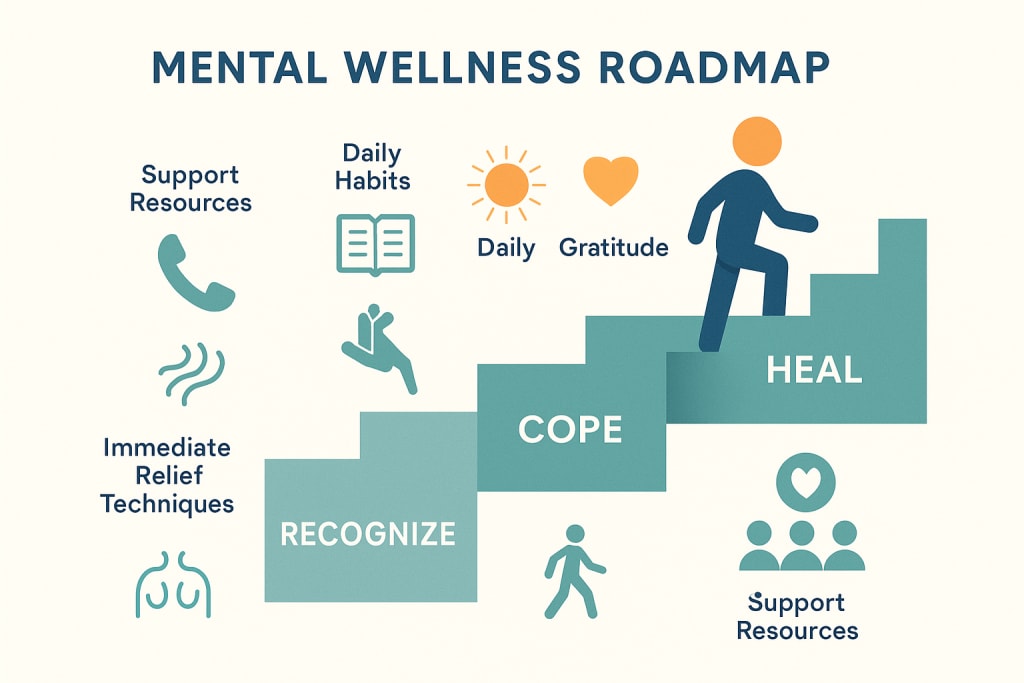
Struggling with mental health problems and need help now? You're not alone. 1 in 4 adults experience mental illness each year according to the National Institute of Mental Health, and the good news is there are proven ways to cope and feel better starting today.
The reality is simple: mental health problems are treatable, and you can get through this. Whether you're dealing with anxiety, depression, or feeling overwhelmed, I'll share the most effective coping strategies that actually work.
Why You're Struggling (And It's Not Your Fault)
If you're experiencing anxiety, depression, or constant overwhelm, understand that young adults aged 18-25 have the highest mental health challenges at 36.2% per Mental Health America. These feelings are common reactions to real life stressors.
The biggest barriers I see people face:
- Not knowing where to start or how to get help
- Worrying about cost and insurance coverage
- Fear of judgment from others
- Feeling like nothing will actually help
Your Mental Health Coping Toolkit: What Works Right Now
Immediate Relief Techniques (Use These Today)
For Anxiety Attacks:
- 5-4-3-2-1 Grounding: Name 5 things you see, 4 you touch, 3 you hear, 2 you smell, 1 you taste
- Box Breathing: Breathe in 4 counts, hold 4, out 4, hold 4
- Cold water on your wrists or face to activate your nervous system reset
For Depression and Low Mood:
- The 2-Minute Rule: Do one positive thing for just 2 minutes (shower, walk outside, text a friend)
- Sunlight exposure: 10-15 minutes of natural light boosts mood naturally
- Movement medicine: Even gentle stretching releases mood-boosting endorphins
Daily Mental Health Habits That Actually Help
Morning (5 minutes):
- Set one small, achievable goal for the day
- Practice gratitude - write down one thing you're thankful for
- Take 5 deep breaths before checking your phone
Evening (10 minutes):
- Limit screens 1 hour before bed
- Journal about what went well today
- Practice self-compassion - talk to yourself like a good friend
When to Get Professional Help (And How to Afford It)
Seek help immediately if you have:
- Thoughts of self-harm or suicide
- Can't function in daily life
- Symptoms lasting more than 2 weeks
- Using substances to cope
Here's the truth about cost: Most insurance covers mental health equally to physical health under federal law. If you don't have insurance, community mental health centers offer sliding scale fees based on income.
Quick ways to find affordable help:
- Check your insurance provider's therapist directory
- Search Psychology Today for therapists in your area
- Contact local community mental health centers
- Try online therapy platforms for lower costs
Essential Coping Strategies by Condition
Anxiety Management
- Challenge anxious thoughts: Ask "Is this realistic?" and look for evidence
- Create a worry time: 15 minutes daily to process concerns, then move on
- Physical release: Exercise, yoga, or even dancing to music
Depression Support
- Opposite action: When depression says "stay in bed," get up and do something small
- Connect with others even when you don't feel like it
- Schedule pleasant activities daily, even tiny ones
Stress Relief
- Practice saying "no" to prevent overwhelm
- Break big tasks into smaller steps
- Take regular breaks throughout your day
Crisis Resources You Need to Know
If you're in immediate danger: Call 911
Crisis Support:
- National Suicide Prevention Lifeline: 988
- Crisis Text Line: Text HOME to 741741
- NAMI Helpline: 1-800-950-NAMI (6264)
Trusted Online Resources:
Quick FAQ: Your Most Pressing Questions
How do I know if I need help?
If your symptoms interfere with work, relationships, or daily activities for more than 2 weeks, it's time to seek support.
What's the difference between a therapist and psychiatrist?
Therapists provide counseling and coping strategies. Psychiatrists are medical doctors who can prescribe medication.
How do I stop a panic attack?
Use the 5-4-3-2-1 grounding technique, practice deep breathing, and remind yourself it's temporary and will pass.
Does therapy actually work?
Yes! Research shows that therapy, especially cognitive-behavioral therapy, is highly effective for anxiety and depression.
Your Next Steps: Start Today
Here's what you can do right now:
- Choose one coping technique from this guide and try it today
- Reach out to one trusted person and let them know you're struggling
- If you need professional help, make that call or search for a therapist
- Be patient with yourself - healing takes time, and that's okay
Remember: seeking help is a sign of strength, not weakness. You don't have to figure this out alone, and you deserve support and care.
Your mental health matters. You matter. Take it one day at a time.
About the Creator
Andrew D. Huberman
Stanford neurobiology professor sharing science-backed insights on brain health, performance, sleep & vision via the Huberman Lab Podcast.
Keep reading
More stories from Andrew D. Huberman and writers in Lifehack and other communities.
Stop Hip Pain in Just 10 Minutes Daily: The Ultimate Guide to Gentle Mobility That Actually Works
Your hip pain is stealing your life one movement at a time. Every morning you wake up stiff. Every step reminds you something's wrong. And every night, you wonder if you'll ever move freely again.
By Andrew D. Huberman8 months ago in Lifehack
Forgotten Packing Items That Make Port A Rentals Guest-Friendly
Stepping into a vacation rental should feel like a home away from home, with a clean space, cozy beds, and, perhaps, a great view to unwind. But sometimes, even the best-planned trips can be disrupted by an unexpected challenge when guests forget to pack a few essentials.
By The Mayan Princess6 days ago in Lifehack
Cooking Up Connection: Romantic Recipes to Enjoy as a Couple
Turning your kitchen into a romantic space doesn’t require extravagant effort. Start with lighting—switch off the overhead lights and let candles or warm lamps create a cozy atmosphere. Add soft music that you both enjoy and clear the counters to give yourselves space to move freely. These thoughtful touches can transform even a modest kitchen into a place of intimacy and fun.
By Micah Love-Allotey6 days ago in Lifehack


Comments (1)
Mental health is crucial. These tips are great for dealing with anxiety, depression, and overwhelm.