
How Smart Oxygen Devices Improve Quality of Life
Exploring the Future of Breathing Support Through Smarter Technology

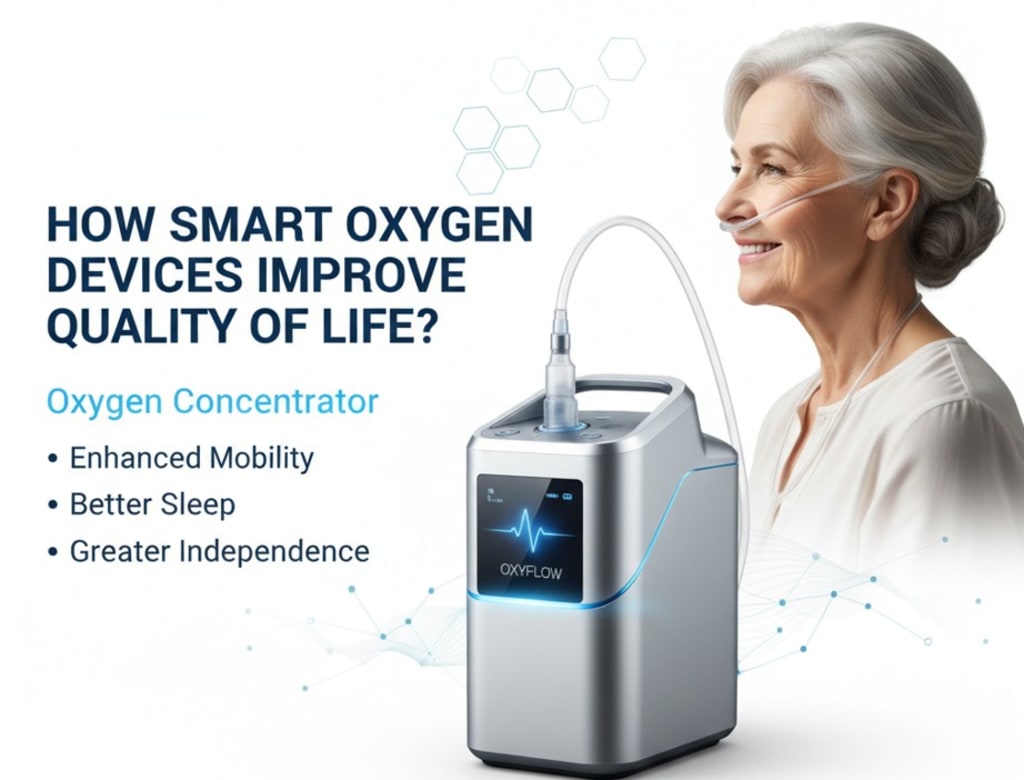
For people living with chronic respiratory conditions such as COPD, asthma, pulmonary fibrosis, or those recovering from severe infections like COVID-19, breathing support is often a daily necessity.
Traditionally, oxygen therapy has relied on bulky machines and hospital visits, limiting independence and mobility.
But recent advances in healthcare technology have changed the way patients experience oxygen therapy. Smart oxygen devices are designed not only to provide reliable breathing support but also to empower patients to live fuller, more independent lives.
This article explores how these innovations are redefining quality of life for patients and caregivers alike.
What Are Smart Oxygen Devices?
Smart oxygen devices are the next generation of respiratory care solutions. Unlike older models that simply deliver oxygen at a fixed flow, these devices use intelligent sensors and algorithms to monitor a patient’s breathing patterns in real time.
They then adjust oxygen delivery automatically, ensuring optimal support without constant manual control.
Key features of smart oxygen devices include:
- Portability: Sleek, lightweight designs that allow patients to move freely.
- Connectivity: Smartphone apps and Bluetooth-enabled monitoring.
- Adaptive Technology: Auto-adjustment of oxygen flow based on activity levels.
- Longer Battery Life: Extended usage without frequent charging.
These advancements make therapy far more user-friendly, especially for people who wish to maintain independence while managing long-term health conditions.
Benefits for Patients
The introduction of smart oxygen devices has transformed the patient experience in several ways:
- Improved Mobility & Independence
Patients are no longer confined to one spot. Portable designs make it easier to go for a walk, attend family events, or even travel.
- Personalized Oxygen Delivery
Instead of a fixed oxygen flow, smart devices monitor breathing in real time, adjusting supply automatically to meet individual needs.
- Ease of Use
Smartphones and apps allow patients to monitor their oxygen levels and battery status with ease. Alerts and notifications provide additional safety.
- Peace of Mind for Caregivers
Remote monitoring lets family members or healthcare professionals track therapy progress without being physically present.
- Enhanced Safety
Built-in alarms and purity sensors ensure consistent and safe oxygen supply.
- Quality of Life Improvements
Living with a respiratory condition often impacts more than just breathing, it influences emotional health, social relationships, and daily lifestyle. Smart devices address these challenges directly:
Daily Activities: Patients can work, exercise, and engage in hobbies without feeling restricted.
Mental Well-Being: Reduced anxiety comes from knowing oxygen support is available anytime, anywhere.
Better Rest: Devices ensure uninterrupted therapy even during sleep, reducing risks linked to low nighttime oxygen levels.
Social Freedom: Discreet designs minimize stigma, allowing patients to feel confident in social settings.
In essence, smart oxygen solutions go beyond clinical care; they restore dignity and independence.
Role in Healthcare & Remote Monitoring
One of the most impactful features of modern smart devices is their integration with digital health systems. Data can be shared directly with healthcare providers, enabling proactive care.
This means fewer unnecessary hospital visits, earlier detection of complications, and a more personalized treatment plan.
In the middle of this transformation, Oxygen Concentrators play a vital role as the backbone of oxygen therapy technology, now upgraded with intelligent, patient-centered features that fit seamlessly into everyday life.
Challenges & Considerations
Despite their benefits, smart oxygen devices are not without challenges:
- Cost: Advanced technology often comes with higher upfront costs, which may not be affordable for all patients.
- Accessibility: Availability may be limited in certain regions or healthcare systems.
- Training: Patients and caregivers need proper education on how to operate and maintain the devices.
- Battery Dependence: Continuous use requires careful planning around recharging and carrying spare batteries.
Overcoming these barriers will be key to making smart oxygen therapy universally accessible.
The Future of Smart Oxygen Therapy
Looking ahead, the potential of smart oxygen devices is vast. Artificial intelligence could allow devices to predict patient needs before symptoms appear.
Integration with wearable health trackers might provide a complete picture of respiratory health. Advances in miniaturization and battery technology will make devices even more discreet and convenient.
As healthcare shifts toward home-based treatment and telemedicine, smart oxygen devices will play a central role in empowering patients to take control of their health while staying connected to medical support systems.
Conclusion
Smart oxygen devices represent more than just a medical innovation—they are life enhancers.
By providing mobility, safety, and personalized support, they improve not only physical health but also mental well-being and social independence. For patients managing chronic respiratory conditions, these devices are more than tools for survival; they are tools for living better.
With continuous innovation and broader accessibility, the future of oxygen therapy promises greater freedom, dignity, and quality of life for millions worldwide.
About the Creator
Keep reading
More stories from Emma Thompson and writers in Lifehack and other communities.
LooREADY Launches Disposable Toilet Seat Covers for Safer Public Bathroom Use
Using public restrooms can be uncomfortable—especially when hygiene is a concern. To solve this everyday problem, LooREADY has launched a smart and sanitary solution: disposable toilet seat covers.
By Emma Thompson9 months ago in Lifehack
Using a novel strategy, scientists try to stop human ageing.
Your cells' functions change as you age, and this gradual change can lead to organ failure, weakening, and scarring. There is now hope for treating age-related disorders since scientists have discovered a mechanism to nudge some cells back towards healthy roles.
By Francis Damiabout 2 hours ago in Lifehack
If You’ve Always Done What You’ve Always Done
At the start of 2025, I started to post articles on my website under the category of ’52 Guiding Lights.' The goal was to share insights on sayings and idioms that aid daily life. I got up to number 16. The goal is to publish these as a management aid. However, we plan to release them in smaller batches, such as 12 at a time. That’s a year’s worth.
By Calvin London7 days ago in Lifehack
Five—One Grounding
Five—Locked in a perpetual battle against my failing senses and reason, I fight to survive, to get through; I am afraid of... nothingandeverythingallatonce—...—my mouth is dry, and my muscles seize up... what can I see? I can see the birdcage and birds; I can see the watercolour my beautiful wife painted many years ago and unlocked her journey into art; I can see the empty mug of tea as it sits perilously on the arm of the sofa; how many is that now? Three down, two to go; I can also see a jackdaw on the roof of our neighbour's house across the road and a bookcase of potential—Five things you can see.
By Paul Stewart7 days ago in Poets




Comments
There are no comments for this story
Be the first to respond and start the conversation.