
How Modern Medical Estheticians Drive the $18 Billion MedSpa Boom and What That Means for Skin Health
From lasers to consultations, a look at the real work behind one of the fastest-growing careers in U.S. skincare

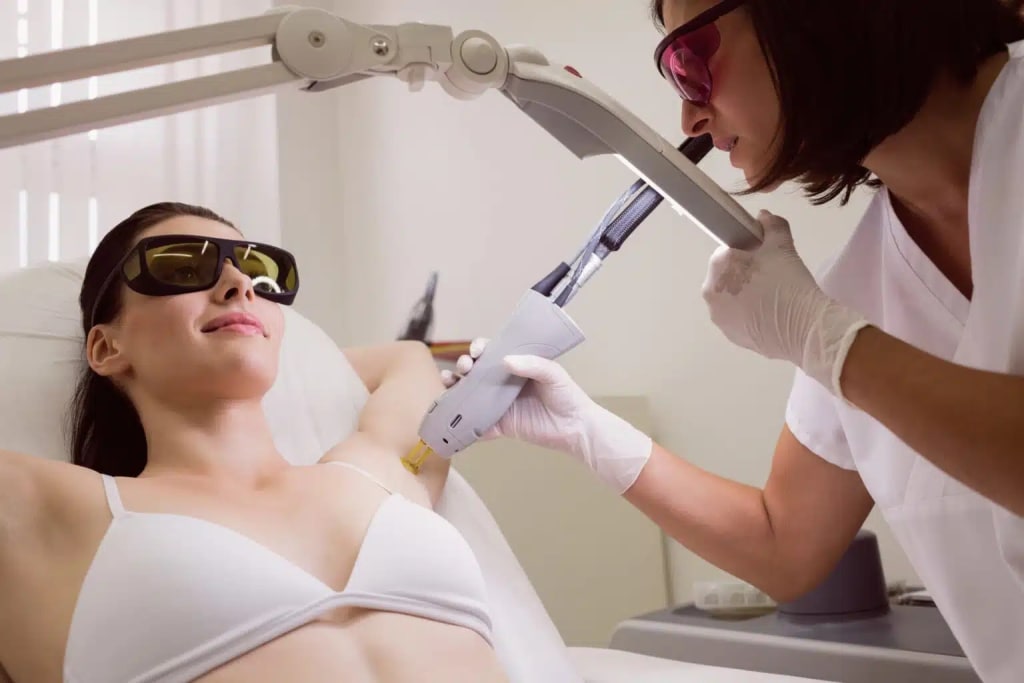
Walk into any city today and you’ll notice a change. Medical spas are everywhere, and they’re not just about pampering anymore. In 2023, medspa services reached $18 billion worldwide, and experts predict the industry will grow more than 15% each year until 2030. That growth is powered by one key professional, the medical esthetician.
These trained specialists now bridge the gap between beauty and medicine. They work with advanced tools, follow strict safety standards, and guide clients toward healthier skin. In this article, we’ll look at how their role has evolved, why demand is rising, and what it means for people considering this career.
Why They're in High Demand
Today, there are nearly 43,000 medical estheticians working across the U.S., and nearly all of them are women (96%).
What’s more, the Bureau of Labor Statistics forecasts a 7% job growth for skincare specialists, including medical estheticians, over the decade (2024–2034). That means about 14,500 U.S. job openings each year.
That’s faster than most industries, and it makes sense. People want safe, effective skin treatments. Medical estheticians deliver.
What Makes U.S. Medical Estheticians Stand Out
This isn’t just spa work. In the U.S., becoming a medical esthetician means meeting state licensing requirements, which typically include 260-1,500 hours of training plus exams, and sometimes additional post-grad training for medspa settings.
U.S. clients trust medical estheticians because they blend cosmetic flair with clinical know-how, following safety protocols, working alongside dermatologists, and applying advanced tools like lasers, IPL, and medical-grade peels.
What is the Daily Work of a U.S. Medical Esthetician?
Medical estheticians are at the center of a thriving $15 billion medspa industry in the U.S. in 2023, with over 10,000 medspa locations across the country! But what does a day in the life of a medical esthetician entail?
More Than Treatments
Medical estheticians in the U.S. do not just do facials; they administer advanced, medical grade procedures designed to improve skin health and boost the client's confidence. A typical day may include:
Laser hair removal where estheticians administer FDA-approved laser-based procedures to reduce hair growth over a series of visits. While all FDA approved lasers are effective, each session also requires skin analysis before treatment to reduce risks of burns or irritation.
An IPL photofacial may be utilized, which uses broad-spectrum light to treat redness (redness of the face especially), sun damage, and hyperpigmentation (dark spots). The three different settings are used with each skin type and the client is reminded again of the importance of aftercare.
Estheticians perform chemical peels, that are stronger than their spa counterparts - which will resurface the skin to significantly reduce wrinkles, minimize acne scars, and improve sun damage. This should be a discussion on the recovery process and what to expect in terms of redness, peeling, and sun protection.
Microneedling and or microdermabrasion to stimulate collagen and replenish the texture of skin. Each of these requires a sterile procedure, a steady hand, and constant reassurance to the client.
The Consultation is Everything
Every hypothetical appointment will begin with a consult. U.S. estheticians, like all health care providers, will open with an assessment and questions about medications, allergies, and lifestyle. For instance, when dealing with a client on oral-based acne medication, will the parameters of the treatment need to be different to avoid unwanted side effects.
This act of consultation is equally important as the treatment. Trust is built, as are cautious approaches to risk management, and personal engagement and understanding are applied to each specific treatment plan.
More Than Just Skin
The U.S. Bureau of Labor Statistics says there will be an additional seventh percent growth for skincare specialists within the next ten years and that is even faster than normal. Beyond the numbers that come from those reports are a group of individuals who will utilizing science, artistry, and empathy.
If you are interested in learning, training, or even the potential of a career in medical esthetics, a full guide is available at Aesthetic Laser Academy Courses.
In the U.S., medical estheticians are not just changing the way people look, they are changing the way people think about their future skin health.
Challenges in the U.S. Landscape
The U.S. medspa world is booming, but not without risks.
There’s no single federal oversight system. Many medspas operate under inconsistent state rules, which can lead to unlicensed or unsafe providers. Experts warn this can risk infection, poor outcomes, or worse.
That’s why proper training, certification, and ethics are more important than ever for standing out and staying safe.
Why You Should Pay Attention
Considering this field? Here's why it matters:
Strong job growth - many U.S. openings each year.
High income potential - medspa clinicians often make more than traditional spa workers.
Meaningful impact - you help people feel confident, healthy, and cared for.
If you already work in esthetics or health, adding medical esthetics can open doors, especially in America's growing wellness industry.
Final Say
In the U.S., medical estheticians are no longer just pamper experts, they’re clinical professionals driving a booming industry.
With nearly 43,000 people in the role, 7% projected growth, and medspas bringing in $15 billion in revenue, this is a career worth considering.
If you’d like to explore training paths, certification steps, or how to break into the medspa field, the full career guide and training info at Aesthetic Laser Courses is a solid starting point.
Medical esthetics in the U.S. is thriving, and with the right skills and ethics, you could be at the heart of it.
About the Creator
Deborah Ferguson
Content Creator.
Keep reading
More stories from Deborah Ferguson and writers in Lifehack and other communities.
What to Look for When Buying Your First eBike
So… you're finally doing it. You're entering the electric bike world. Welcome! You're now one step closer to speeding past traffic like a smug superhero on two wheels, and no, you won’t even break a sweat doing it.
By Deborah Ferguson7 months ago in Lifehack
Smartphones Are Powerful Enough
For more than a decade, smartphones have followed a predictable trajectory: higher power, sharper images, and speedier internet. On paper, today’s technologies are substantially superior to those from even five years ago. Yet surveys, user forums, and daily encounters suggest a different image. Satisfaction hasn’t grown at the same pace as capacity.
By abualyaanartabout 4 hours ago in Lifehack




Comments