
How Long Do Dental Fillings Last? Understanding Durability
Best Dental Tooth Filling Dubai
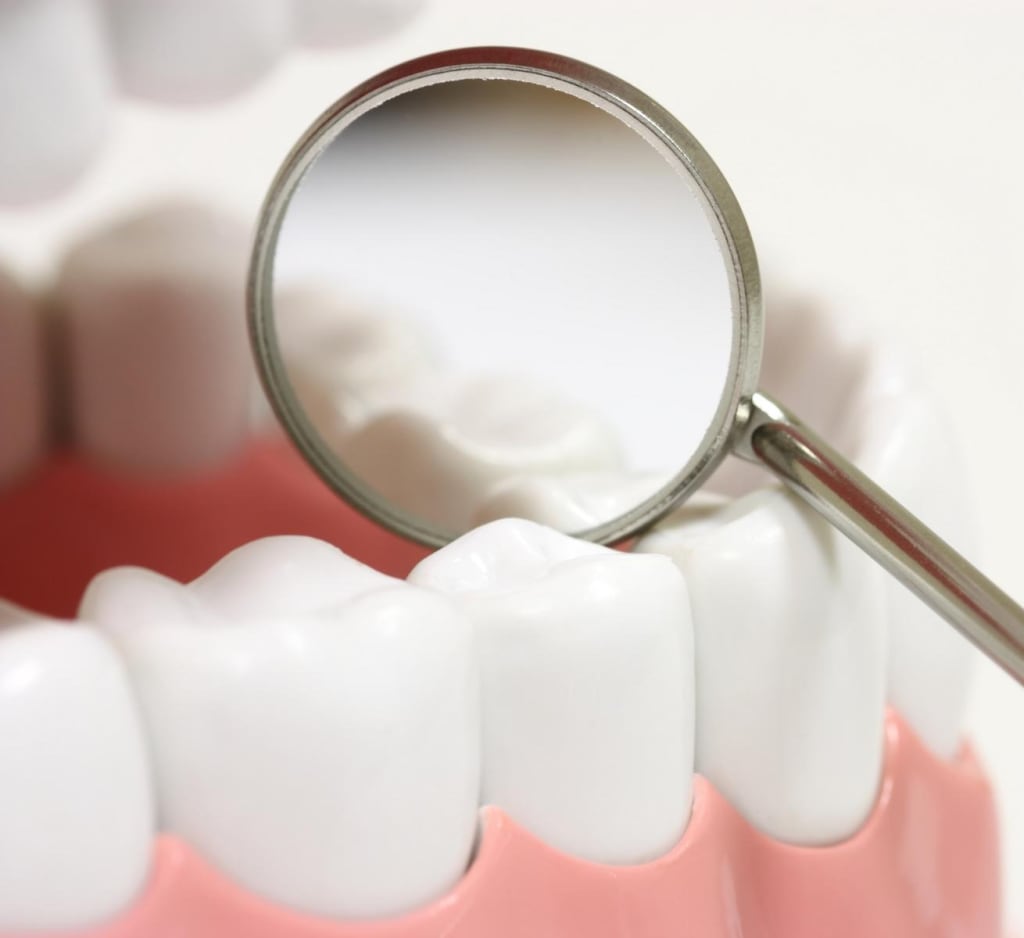
Dental fillings are essential for repairing cavities and restoring tooth function, but their longevity can vary based on several factors, including the type of material used, the location of the filling, and individual oral care habits. Understanding how long different types of fillings last can help you make informed decisions about your dental care and maintenance. Here's a comprehensive look at the durability of Best Dental Tooth Filling Dubai and factors affecting their lifespan:
1. Lifespan of Different Dental Filling Materials
Amalgam Fillings:
Average Duration: Typically last 10 to 15 years or longer.
Factors Affecting Longevity: Amalgam fillings are known for their strength and durability, making them ideal for back teeth that endure significant chewing forces. Their longevity is due to their resistance to wear and corrosion.
Composite Resin Fillings:
Average Duration: Generally last 5 to 10 years.
Factors Affecting Longevity: Composite resins are less durable than amalgam, especially in areas subjected to heavy chewing. Their lifespan can be influenced by the size of the filling, the location, and the wear and tear from daily activities. They may also be more prone to staining and discoloration over time.
Ceramic (Porcelain) Fillings:
Average Duration: Typically last 10 to 15 years or more.
Factors Affecting Longevity: Ceramic fillings are strong and resistant to wear, making them suitable for both front and back teeth. Their longevity is supported by their durability and resistance to staining. However, they can be more brittle compared to other materials and may be prone to chipping under extreme conditions.
Glass Ionomer Fillings:
Average Duration: Generally last 5 to 7 years.
Factors Affecting Longevity: Glass ionomer fillings release fluoride, which can help protect the tooth from further decay. However, they are less durable and more prone to wear and degradation compared to amalgam and ceramic fillings. They are often used in areas with less stress.
Resin Ionomer Fillings:
Average Duration: Typically last 5 to 7 years.
Factors Affecting Longevity: Similar to glass ionomer fillings, resin ionomers release fluoride and are used in low-stress areas. They are less durable and may wear out faster than other filling materials.
2. Factors Affecting the Longevity of Dental Fillings
1. Material Quality and Placement:
Quality: Higher-quality materials and precision in placement can enhance the longevity of fillings.
Placement: Proper placement by a skilled dentist ensures that the filling fits well and performs optimally, reducing the risk of premature failure.
2. Oral Hygiene Practices:
Brushing and Flossing: Maintaining good oral hygiene by brushing twice daily and flossing regularly helps prevent decay around fillings and extends their lifespan.
Professional Cleanings: Regular dental check-ups and cleanings help monitor the condition of fillings and prevent further issues.
3. Diet and Habits:
Diet: Avoiding hard, sticky, or sugary foods can prevent damage to fillings. Hard foods can potentially crack fillings, while sticky foods can cause them to pull away from the tooth.
Bruxism: Teeth grinding or clenching can put excessive pressure on fillings and lead to premature wear or damage. Using a night guard may help mitigate this risk.
4. Location of the Filling:
Stress Areas: Fillings in the back teeth, which endure more chewing pressure, may wear out faster than those in the front teeth. Materials like amalgam and ceramic are better suited for high-stress areas.
5. Size of the Filling:
Large Fillings: Larger fillings may be more prone to wear and may not last as long as smaller fillings. The larger the filling, the more likely it is to be subjected to stress and potential failure.
3. Signs That a Filling May Need Replacement
1. Visible Wear or Damage:
Cracks or Chips: Visible cracks or chips in the filling can indicate the need for replacement or repair.
Discoloration: Significant discoloration or staining of the filling may affect both its appearance and functionality.
2. Sensitivity or Discomfort:
Persistent Sensitivity: If you experience persistent sensitivity to hot or cold foods and beverages, it may indicate that the filling is deteriorating or has become compromised.
Discomfort: Any discomfort or pain around the filling may warrant a dental evaluation to determine if it needs to be replaced.
3. Leaking or Gaps:
Decay Around the Filling: If you notice decay around the edges of the filling, it may need replacement to prevent further damage to the tooth.
About the Creator
Keep reading
More stories from anaya george and writers in Lifehack and other communities.
How Dental Tooth Fillings Can Save Your Smile
Best Dental Tooth Filling In Dubai are one of the most common and effective treatments for tooth decay, damage, and minor fractures. Beyond just restoring function, fillings play a critical role in preserving your smile, preventing further oral health issues, and maintaining overall dental health. Here's how dental tooth fillings can save your smile.
By anaya georgeabout a year ago in Lifehack
How to choose alpine skis?
Before the start of the winter season, it is important not only to decide on the place of future rest, but also to choose the right alpine skis. Moreover, not only the manufacturing company matters, but also the length, type of equipment, etc. Let's see what types of skis exist and how to choose them correctly.
By Olaf Podolski2 days ago in Lifehack



Comments
There are no comments for this story
Be the first to respond and start the conversation.