
How does joint pain affect mobility?
What muscles joints and bones are affected by hypermobility?

## How Joint Pain Affects Mobility: A Deep Dive into Its Impact and Management
Joint pain, a common affliction affecting millions worldwide, can significantly impair an individual’s ability to move and perform daily activities. This blog post explores how joint pain affects mobility, the underlying causes, and practical strategies for managing and mitigating its impact.
### Understanding Joint Pain and Mobility
Joints are the pivots of our skeletal system, enabling movement and bearing the weight of our bodies. They consist of bones, cartilage, muscles, ligaments, and synovial fluid, all working together to ensure smooth and pain-free motion. When any component of a joint is compromised, pain can arise, leading to decreased mobility.
#### Key Functions of Joints:
- **Flexion and Extension:** Bending and straightening movements.
- **Rotation:** Allowing circular motion.
- **Stability:** Providing support and maintaining posture.
- **Weight Bearing:** Distributing the body’s weight during activities like walking and running.
### How Joint Pain Impairs Mobility
Joint pain can result from various conditions such as arthritis, injuries, infections, or even overuse. Here’s how these issues specifically impact mobility:
1. **Pain and Discomfort:**
- **Reduced Range of Motion:** Pain often restricts how far a joint can move. For example, knee pain may prevent deep bending or squatting.
- **Guarding Movements:** People tend to avoid movements that exacerbate pain, leading to stiff and limited motion.
- **Muscle Weakness:** Pain can cause surrounding muscles to weaken over time due to reduced use, further limiting movement.
2. **Inflammation and Swelling:**
- **Joint Effusion:** Excess fluid in the joint can lead to swelling, making movement difficult and painful.
- **Stiffness:** Inflammation often causes joints to stiffen, particularly after periods of inactivity, such as sleeping or sitting.
3. **Structural Damage:**
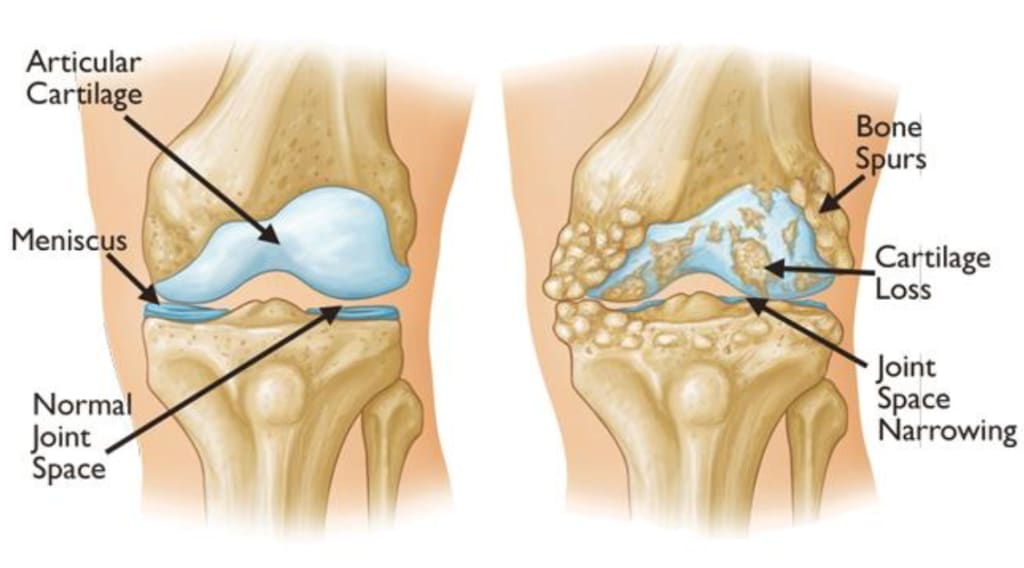
- **Cartilage Degradation:** Conditions like osteoarthritis wear down the cartilage that cushions joints, leading to bone-on-bone friction and pain during movement.
- **Ligament and Tendon Damage:** Injuries or overuse can damage these supporting structures, reducing joint stability and causing pain during movement.
### Common Conditions Leading to Joint Pain
1. **Osteoarthritis:**
- The most common form of arthritis, it involves the gradual wear and tear of joint cartilage. This leads to pain, stiffness, and reduced mobility.
2. **Rheumatoid Arthritis:**
- An autoimmune disorder where the body’s immune system attacks the joint lining, causing inflammation, pain, and eventual joint deformity.
3. **Bursitis:**
- Inflammation of the bursae (small fluid-filled sacs that cushion the joints), often due to repetitive motion or pressure, causing pain and limiting movement.
4. **Gout:**
- A type of arthritis characterized by sudden, severe pain, usually in the big toe, due to the accumulation of urate crystals in the joint.
5. **Injuries:**
- Trauma or overuse injuries can cause joint pain and reduce mobility. Common examples include ligament tears (such as ACL tears in the knee) or tendonitis.
### The Emotional Toll of Joint Pain
Living with chronic joint pain not only affects physical mobility but also takes a significant emotional toll. The constant pain and reduced ability to participate in enjoyable activities can lead to feelings of frustration, depression, and social isolation. It's crucial to address both the physical and emotional aspects of joint pain for comprehensive management and improved quality of life.
### Managing Joint Pain and Improving Mobility
While joint pain can significantly affect mobility, there are numerous strategies to manage pain and maintain an active lifestyle.
1. **Physical Therapy:**
- Tailored exercises and stretches can strengthen muscles around the joints, improve flexibility, and reduce pain.
- Techniques like ultrasound or electrical stimulation can also alleviate pain and enhance healing.
2. **Medications:**
- Over-the-counter pain relievers like NSAIDs (ibuprofen) or acetaminophen can help manage pain and inflammation.
- Prescription medications, such as corticosteroids or disease-modifying antirheumatic drugs (DMARDs) for rheumatoid arthritis, may be necessary in more severe cases.
3. **Weight Management:**
- Maintaining a healthy weight reduces stress on weight-bearing joints, such as the knees and hips, helping to alleviate pain and improve mobility.
4. **Assistive Devices:**
- Tools like canes, walkers, or braces can provide support and stability, making movement easier and safer.
5. **Lifestyle Modifications:**
- Incorporating low-impact exercises like swimming or cycling can keep joints active without putting excessive strain on them.
- Ergonomic adjustments at work or home can reduce joint stress during daily activities.
6. **Surgery:**
- In cases of severe joint damage or persistent pain, surgical options like joint replacement or arthroscopy may be considered.
### Conclusion
Joint pain is a debilitating condition that can significantly impact one’s mobility and quality of life. Understanding the underlying causes and how joint pain affects movement is crucial for developing effective management strategies. Whether through physical therapy, medications, lifestyle changes, or surgical interventions, there are ways to alleviate pain and improve mobility. If you or a loved one is struggling with joint pain, consulting with healthcare professionals can provide a pathway to relief and a more active, fulfilling life.
## Understanding the Impact of Hypermobility on Muscles, Joints, and Bones
Hypermobility, characterized by an unusually large range of movement in the joints, can significantly impact various parts of the body. While being "double-jointed" might seem advantageous or even a neat party trick, hypermobility often comes with its own set of challenges and potential complications. This blog post delves into what muscles, joints, and bones are affected by hypermobility, and how it influences overall musculoskeletal health.
### What is Hypermobility?
Hypermobility, also known as joint hypermobility syndrome or benign joint hypermobility syndrome, refers to joints that move beyond the normal range of motion. This condition can be hereditary or part of a broader syndrome, such as Ehlers-Danlos Syndrome (EDS).
#### Key Characteristics:
- **Increased Range of Motion:** Joints can move more freely than usual.
- **Joint Instability:** Joints are more prone to dislocations or subluxations (partial dislocations).
- **Chronic Pain:** Due to overuse or strain on muscles and ligaments.
- **Fatigue:** Muscles tire more easily due to the extra effort required to stabilize hypermobile joints.
### Muscles Affected by Hypermobility
Muscles play a crucial role in stabilizing joints and maintaining posture. In individuals with hypermobility, certain muscles may be more susceptible to fatigue and injury.
1. **Postural Muscles:**
- **Core Muscles:** The abdominal and back muscles are essential for maintaining stability and balance. Hypermobility often leads to core muscle fatigue and weakness, resulting in poor posture and back pain.
- **Neck and Shoulder Muscles:** These muscles can become overworked as they compensate for the lack of stability in hypermobile joints, leading to tension and discomfort.
2. **Muscles Surrounding Major Joints:**
- **Hip Flexors and Extensors:** These muscles help in movements like walking, running, and sitting. In hypermobile individuals, they often overcompensate for unstable hip joints, causing pain and tightness.
- **Quadriceps and Hamstrings:** Located around the knee, these muscles are crucial for knee stability. Hypermobility can lead to frequent strains or injuries in these muscles due to the additional effort required to control hypermobile knees.
3. **Rotator Cuff Muscles:**
- These shoulder muscles are responsible for stabilizing the shoulder joint. Hypermobility can result in overuse and strain of the rotator cuff, leading to shoulder pain and a higher risk of dislocations.
### Joints Affected by Hypermobility
Hypermobility can affect any joint in the body, but certain joints are more commonly impacted due to their frequent use and complexity.
1. **Shoulder Joints:**
- The shoulder's wide range of motion makes it particularly susceptible to instability and dislocations in hypermobile individuals.
2. **Knee Joints:**
- Knees are weight-bearing joints and are highly vulnerable to hypermobility-related issues. This can lead to pain, instability, and a higher risk of injuries like ligament tears or cartilage damage.
3. **Ankle Joints:**
- Ankle hypermobility can cause frequent sprains and a feeling of instability, especially during activities that involve rapid changes in direction or jumping.
4. **Finger Joints:**
- Hypermobility in the fingers can result in difficulties with grip strength and dexterity, impacting activities like writing or typing.
5. **Temporomandibular Joints (TMJ):**
- The joints connecting the jaw to the skull can be affected, leading to symptoms like jaw pain, clicking, and difficulty chewing.
### Bones Affected by Hypermobility
While hypermobility primarily involves soft tissues like muscles and ligaments, it can also impact bones, especially when joint instability leads to abnormal stress on the skeletal system.
1. **Spine:**
- The vertebrae of the spine can experience abnormal movement patterns and increased wear and tear due to hypermobility. This can lead to conditions such as spondylolisthesis (slippage of a vertebra) or spinal instability.
2. **Patella (Kneecap):**
- In individuals with knee hypermobility, the patella may shift out of place or track improperly, contributing to pain and potential dislocations.
3. **Shoulder Blade (Scapula):**
- The scapula can become malpositioned or winged due to instability in the shoulder joint, leading to issues with arm movement and shoulder function.
### Managing Hypermobility: Tips and Strategies
Living with hypermobility requires a proactive approach to manage symptoms and maintain joint health. Here are some strategies to help manage the impact of hypermobility on muscles, joints, and bones:
1. **Strengthening Exercises:**
- Focus on building strength in muscles that support hypermobile joints, particularly the core, hip, and shoulder muscles. This helps improve joint stability and reduces the risk of injuries.
2. **Flexibility and Stability Training:**
- Incorporate exercises that enhance joint stability and proprioception (awareness of joint position), such as balance exercises, Pilates, or yoga.
3. **Ergonomic Adjustments:**
- Make changes to your work or home environment to reduce strain on hypermobile joints, such as using ergonomic chairs, supportive shoes, and wrist supports.
4. **Proper Body Mechanics:**
- Practice good posture and body mechanics to avoid unnecessary stress on joints. This includes avoiding hyperextending joints or maintaining static positions for prolonged periods.
5. **Physical Therapy:**
- Consult with a physical therapist who specializes in hypermobility to develop a tailored exercise program and learn techniques to manage pain and prevent injuries.
6. **Supportive Devices:**
- Use braces, orthotics, or compression garments as needed to provide additional support and stability to hypermobile joints.Joint Genesis Reviews
7. **Healthy Lifestyle:**
- Maintain a healthy weight to reduce stress on weight-bearing joints and ensure adequate hydration and nutrition to support overall joint health.
### Conclusion
Hypermobility can have widespread effects on the musculoskeletal system, impacting muscles, joints, and bones. While it can present challenges, understanding its impact and implementing appropriate management strategies can help individuals maintain an active and healthy lifestyle. If you or someone you know is dealing with hypermobility, seeking guidance from healthcare professionals and staying informed about effective management techniques can make a significant difference in quality of life.
About the Creator
peter
Content about :get rich, do business, and products such as vehicles, watches, shoes, clothes, household appliances
website: https://storebestlife.blogspot.com/
Top Things to Do in North Potomac for Families
Known for its quiet neighborhoods and welcoming atmosphere, North Potomac appeals to families who value space, safety, and a strong sense of community. Whether you are new to the area or have lived here for years, there are plenty of activities that families can enjoy together.
By House Doctor3 days ago in Lifehack


Comments
There are no comments for this story
Be the first to respond and start the conversation.