
Joint Mobility - an overview
Aging changes in the bones - muscles - joints Information

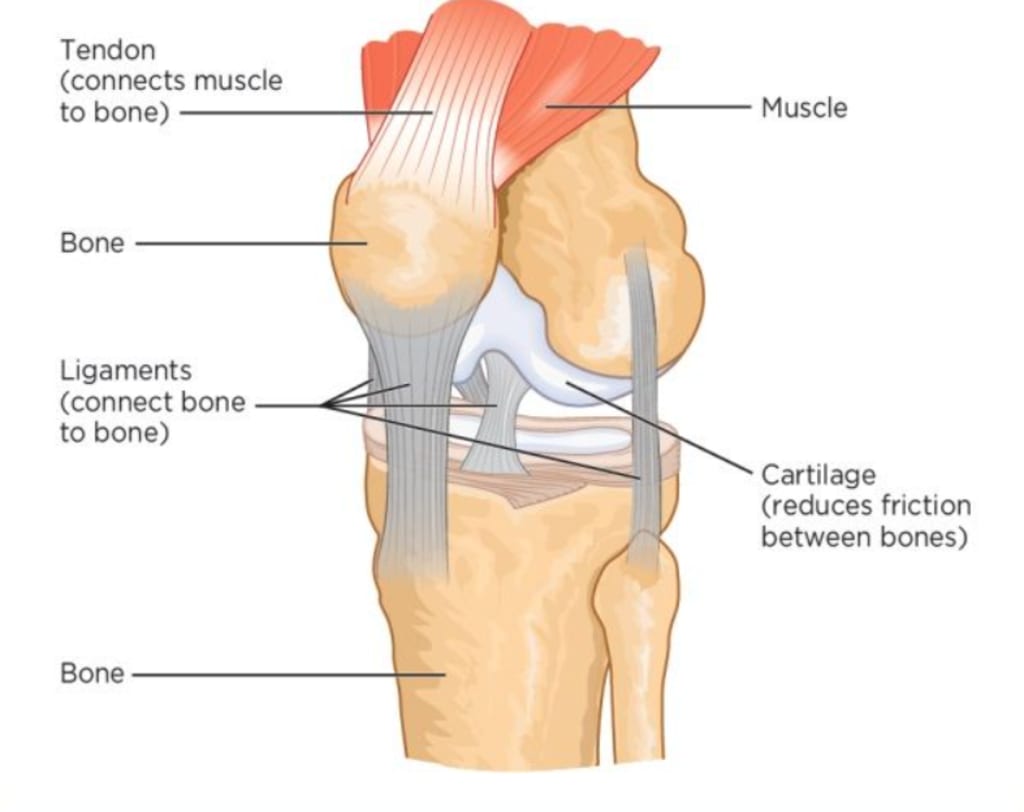
# Joint Mobility: An Overview
## Introduction
In the quest for a healthier, more active lifestyle, joint mobility often doesn't get the attention it deserves. Unlike flexibility, which refers to the ability of a muscle to stretch, joint mobility is about the range of motion (ROM) within a joint. This fundamental aspect of physical health affects everything from athletic performance to daily activities. Whether you’re a professional athlete or someone looking to improve everyday movement, understanding and enhancing joint mobility is crucial.
## What is Joint Mobility?
Joint mobility is the ability of a joint to move freely and efficiently through its full range of motion. It involves a combination of muscle strength, flexibility, and neural control. Unlike static stretching, which focuses on elongating muscles, mobility exercises work on moving joints through their full range in a controlled manner.
### Key Components of Joint Mobility
1. **Range of Motion (ROM)**: The distance and direction a joint can move between the flexed position and the extended position.
2. **Stability**: The control of the muscles surrounding the joint to support movement and prevent injury.
3. **Neuromuscular Coordination**: The ability of the nervous system to coordinate muscle activity for smooth and efficient movement.
## Importance of Joint Mobility
### 1. Enhances Athletic Performance
For athletes, optimal joint mobility can significantly improve performance. Efficient movement patterns rely on joints moving freely. For example, a runner with good hip mobility can achieve a more powerful stride, and a weightlifter with good shoulder mobility can perform lifts with proper form and reduced risk of injury.
### 2. Reduces Risk of Injury
Stiff joints can lead to compensatory movements that increase the risk of injury. Improving joint mobility ensures that the body moves as it was designed to, reducing undue stress on ligaments, tendons, and muscles. This is particularly important in preventing overuse injuries common in sports and daily activities.
### 3. Improves Posture and Reduces Pain
Joint mobility exercises help correct imbalances and improve posture. For those who spend long hours sitting, poor posture can lead to chronic back and neck pain. Regular mobility work can alleviate this discomfort by restoring proper alignment and movement patterns.
### 4. Facilitates Everyday Activities
Daily tasks such as bending, reaching, and twisting are easier and more comfortable when joints move freely. Enhancing joint mobility improves functional movement, making everyday activities less strenuous and more efficient.
## How to Assess Joint Mobility
Before embarking on a mobility improvement plan, it's important to assess your current level. Here are a few simple tests you can do:
1. **Shoulder Reach Test**: Measure your ability to touch your hands behind your back. This assesses shoulder mobility.
2. **Hip Flexion Test**: Lie on your back and bring one knee towards your chest. The ease and range of this movement indicate hip mobility.
3. **Ankle Dorsiflexion Test**: Place your foot flat on the ground and lean forward, trying to keep your heel on the floor. This tests ankle mobility.
These tests can provide a baseline to understand which joints may need more attention.
## How to Improve Joint Mobility
### 1. Dynamic Stretching
Unlike static stretching, dynamic stretching involves moving joints through their full range of motion. This type of stretching is particularly effective as a warm-up because it prepares the muscles and joints for more intense activity. Examples include leg swings, arm circles, and spinal twists.
### 2. Foam Rolling
Self-myofascial release techniques, such as foam rolling, help to release tight muscles and improve blood flow, which can enhance joint mobility. Regular foam rolling can break down scar tissue and adhesions in muscles and fascia, leading to better movement patterns.
### 3. Mobility Drills
Specific drills can target joint mobility. For example, the "world's greatest stretch" combines lunging, twisting, and reaching to enhance hip, spine, and shoulder mobility. Similarly, exercises like deep squats and shoulder dislocates can significantly improve range of motion.
### 4. Strength Training
Strength training, when done through a full range of motion, can improve joint mobility. Exercises such as squats, deadlifts, and overhead presses, when performed correctly, not only build strength but also enhance joint function and stability.
### 5. Yoga and Pilates
These practices are excellent for improving overall mobility. They incorporate various movements that promote flexibility and strength, helping to maintain or increase joint range of motion. Regular practice can also aid in neuromuscular control and stability.
## Tips for Maintaining Joint Mobility
1. **Consistency**: Incorporate mobility exercises into your daily routine. Even 5-10 minutes a day can make a significant difference.
2. **Listen to Your Body**: Pay attention to any pain or discomfort during movement. Mobility work should not be painful; if it is, consider consulting a healthcare professional.
3. **Stay Active**: Regular physical activity keeps joints healthy. Aim to include a variety of movements in your routine to ensure all joints are adequately mobilized.
4. **Hydrate and Nourish**: Proper hydration and nutrition support joint health. Hydrated tissues are more pliable, and a balanced diet rich in anti-inflammatory foods can help maintain joint function.
## Conclusion
Joint mobility is a cornerstone of overall physical health and well-being. By focusing on maintaining and improving the range of motion in your joints, you can enhance performance, reduce injury risk, and make daily movements easier and more enjoyable. Whether you're an athlete aiming for peak performance or simply looking to move more comfortably, prioritizing joint mobility can lead to profound benefits in your life.
# Aging and Its Impact on Bones, Muscles, and Joints
## Introduction
Aging is a natural process that brings about various changes in the body, including in our bones, muscles, and joints. While these changes are inevitable, understanding them can help us take proactive steps to maintain mobility, strength, and overall health as we age. This blog post explores how aging affects our musculoskeletal system and provides tips for managing these changes effectively.
## How Aging Affects Bones
### 1. Bone Density and Strength
As we age, our bones undergo a gradual decrease in density and strength. This process, known as osteoporosis, is particularly common among postmenopausal women but can affect men as well. Osteoporosis increases the risk of fractures, even from minor falls or injuries.
#### Key Factors Contributing to Bone Loss:
- **Hormonal Changes**: The decline in estrogen in women after menopause accelerates bone loss. Similarly, a decrease in testosterone in men can also affect bone density.
- **Nutritional Deficiencies**: Inadequate intake of calcium and vitamin D, essential for bone health, can contribute to bone weakening.
- **Sedentary Lifestyle**: Lack of weight-bearing exercises, which help maintain bone strength, can lead to faster bone density loss.
### 2. Structural Changes
With aging, bones may lose some of their structural integrity, becoming more brittle and porous. This change can affect posture and overall skeletal alignment, leading to conditions like kyphosis (a forward curvature of the spine).
### 3. Healing and Repair
Bone healing and repair processes slow down with age. Fractures and injuries take longer to heal, and there is an increased risk of complications during the recovery process.
## How Aging Affects Muscles
### 1. Muscle Mass and Strength
Sarcopenia, the loss of muscle mass and strength, is a common aspect of aging. Starting around the age of 30, individuals can lose about 3-5% of their muscle mass per decade. This loss accelerates after the age of 60.
#### Contributing Factors:
- **Decreased Physical Activity**: Reduced levels of physical activity can lead to muscle atrophy.
- **Hormonal Changes**: Declines in growth hormone and testosterone contribute to muscle mass loss.
- **Protein Synthesis Decline**: The body's ability to synthesize muscle protein diminishes with age.
### 2. Muscle Function and Coordination
Aging can affect muscle function and coordination, leading to decreased balance and an increased risk of falls. This decline is often due to changes in the nervous system's control over muscle movements.
### 3. Muscle Endurance and Fatigue
Older adults may experience reduced muscle endurance and quicker onset of fatigue during physical activities. This can limit their ability to engage in prolonged or intense exercises.
## How Aging Affects Joints
### 1. Joint Flexibility and Range of Motion
Joints become stiffer and less flexible with age. This can result from changes in the cartilage, which loses its ability to cushion joints effectively, and the ligaments, which become less elastic.
### 2. Arthritis
Osteoarthritis, the most common form of arthritis, is prevalent among older adults. It occurs when the protective cartilage that cushions the ends of bones wears down over time, leading to pain, stiffness, and swelling in the joints.
### 3. Joint Stability
Aging can also affect joint stability. Weakened muscles and tendons around the joints can lead to an increased risk of joint injuries and instability, making activities like walking or climbing stairs more challenging.
## Tips for Managing Aging-Related Changes
### 1. Maintain a Balanced Diet
Ensure your diet is rich in calcium and vitamin D to support bone health. Include plenty of protein to aid muscle maintenance and repair. Incorporate anti-inflammatory foods, such as fruits, vegetables, and omega-3 fatty acids, to support joint health.
### 2. Engage in Regular Exercise
Exercise is crucial for maintaining bone density, muscle mass, and joint flexibility. Focus on a balanced exercise routine that includes:
- **Weight-bearing Activities**: Such as walking, dancing, or weight training to strengthen bones.
- **Resistance Training**: To build and maintain muscle mass.
- **Flexibility Exercises**: Like yoga or stretching to enhance joint mobility.
- **Balance Training**: To reduce the risk of falls and improve coordination.
### 3. Stay Hydrated
Proper hydration is essential for maintaining joint lubrication and overall tissue health. Make sure to drink plenty of water throughout the day.
### 4. Monitor Bone Health
Regular bone density screenings can help detect osteoporosis early, allowing for timely interventions to prevent fractures. Discuss with your healthcare provider about medications or supplements that may be beneficial for bone health.
### 5. Prioritize Posture and Ergonomics
Pay attention to your posture to prevent undue stress on bones and joints. Ergonomically designed furniture and tools can help maintain good posture and reduce the risk of musculoskeletal problems.
### 6. Manage Weight
Maintaining a healthy weight reduces the load on joints, particularly the weight-bearing joints like hips and knees, thus decreasing the risk of osteoarthritis and joint pain.
### 7. Get Adequate Sleep
Quality sleep is vital for muscle repair and overall recovery. Ensure you get sufficient restful sleep to support your musculoskeletal health.
### 8. Consult Healthcare Professionals
Regular check-ups with healthcare professionals can help monitor your musculoskeletal health and address any emerging issues promptly. Physical therapists can provide personalized exercises to improve strength and mobility.Joint Restore Gummies Reviews
## Conclusion
While aging brings inevitable changes to our bones, muscles, and joints, there are numerous strategies to manage and mitigate these effects. By maintaining a healthy lifestyle, staying active, and seeking appropriate medical care, we can support our musculoskeletal health and enjoy a higher quality of life as we age. Embrace these changes with a proactive mindset, and you’ll find that age is just a number when it comes to staying active and vibrant.
About the Creator
peter
Content about :get rich, do business, and products such as vehicles, watches, shoes, clothes, household appliances
website: https://storebestlife.blogspot.com/
Forgotten Packing Items That Make Port A Rentals Guest-Friendly
Stepping into a vacation rental should feel like a home away from home, with a clean space, cozy beds, and, perhaps, a great view to unwind. But sometimes, even the best-planned trips can be disrupted by an unexpected challenge when guests forget to pack a few essentials.
By The Mayan Princess3 days ago in Lifehack
Cooking Up Connection: Romantic Recipes to Enjoy as a Couple
Turning your kitchen into a romantic space doesn’t require extravagant effort. Start with lighting—switch off the overhead lights and let candles or warm lamps create a cozy atmosphere. Add soft music that you both enjoy and clear the counters to give yourselves space to move freely. These thoughtful touches can transform even a modest kitchen into a place of intimacy and fun.
By Micah Love-Allotey2 days ago in Lifehack




Comments
There are no comments for this story
Be the first to respond and start the conversation.