
Historical Places to visit in Delhi
Journey Through Time: Discovering Delhi's Iconic Historical Sites

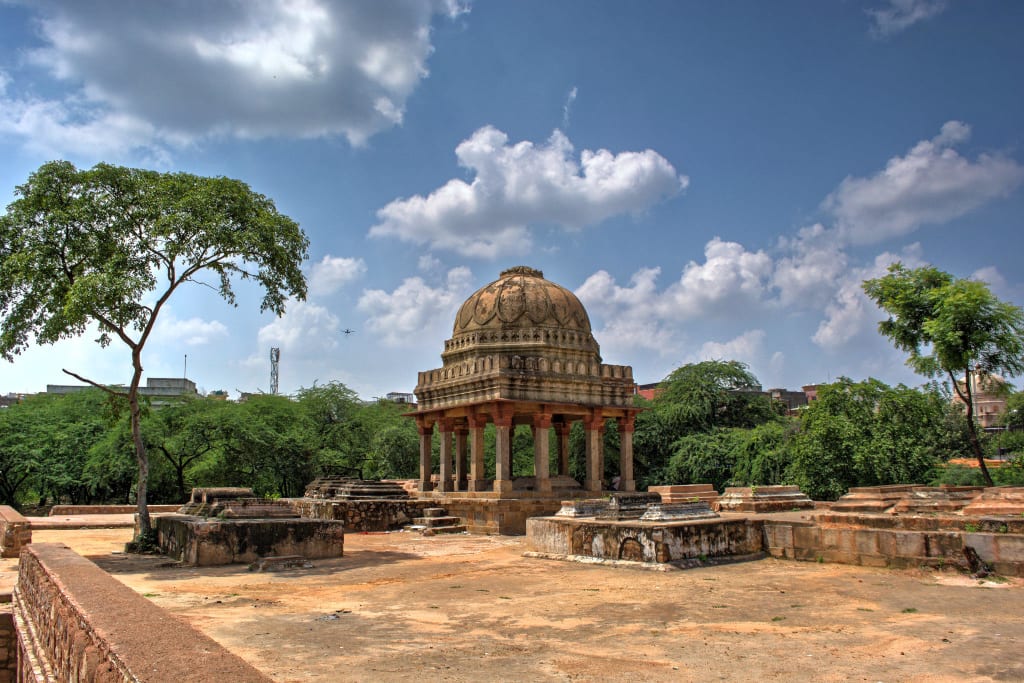
Exploring Delhi’s rich historical tapestry is a journey through time, offering a glimpse into the city’s illustrious past as a capital of empires and a center of culture and power. For those embarking on Delhi tours, here are 10 historical places that vividly reflect its diverse heritage:
1. Qutub Minar
The Qutub Minar stands as an iconic symbol of Delhi's rich architectural heritage and historical significance. Located in the Mehrauli area of Delhi, this towering minaret was constructed by Qutb-ud-din Aibak, the founder of the Delhi Sultanate, in 1193. Made predominantly of red sandstone and marble, the Qutub Minar stands at a height of 73 meters, making it the tallest brick minaret in the world and a UNESCO World Heritage Site.
The construction of Qutub Minar spans different eras, with subsequent rulers like Iltutmish and Firoz Shah Tughlaq contributing to its expansion and beautification. The minaret is renowned for its exquisite architecture, characterized by intricate carvings, verses from the Quran in Arabic calligraphy, and geometric patterns. Each of the five storeys is marked by a balcony, and the entire structure reflects a seamless blend of Indo-Islamic architecture.
Adjacent to the Qutub Minar stands the Quwwat-ul-Islam Mosque, one of the oldest mosques in India, also built by Qutb-ud-din Aibak. The mosque's construction utilized materials from demolished Hindu and Jain temples, showcasing the cultural syncretism of the period. Visitors to the Qutub Minar complex can explore these historic structures, marvel at the Iron Pillar known for its rust-resistant composition, and experience the grandeur of early medieval Delhi.
2. Red Fort (Lal Qila)
Commissioned by Emperor Shah Jahan in 1638, the Red Fort, or Lal Qila, is another jewel in Delhi's architectural crown. Built with red sandstone, this magnificent fort served as the main residence of the Mughal emperors for nearly 200 years. Located in Old Delhi, the Red Fort is a UNESCO World Heritage Site and a testament to the opulence and grandeur of Mughal architecture.
The fort complex is a sprawling structure that includes palaces, audience halls, gardens, and ornate pavilions. The Diwan-i-Am (Hall of Public Audience) and Diwan-i-Khas (Hall of Private Audience) are particularly noteworthy for their intricate marble inlay work and elegant architectural features. The fort's walls, which stretch over 2 kilometers, are adorned with intricate carvings and calligraphy, showcasing Persian and Indian artistic influences.
Every year on Independence Day (15th August), the Prime Minister of India hoists the national flag at the Red Fort's main gate, a tradition that symbolizes the fort's historical and political significance. The Red Fort remains a popular destination for tourists seeking to immerse themselves in India's rich cultural heritage and architectural splendor.
3. Humayun's Tomb
Humayun's Tomb is one of Delhi's most striking examples of Mughal architecture and a precursor to the Taj Mahal in Agra. Built-in 1570, this mausoleum was commissioned by Emperor Humayun's wife, Empress Bega Begum, and designed by the Persian architect Mirak Mirza Ghiyas. It is located in the Nizamuddin East area of Delhi and is also a UNESCO World Heritage Site.
The tomb's design is characterized by its symmetrical gardens, water channels, and use of red sandstone and white marble. The central dome of the mausoleum reaches a height of 47 meters, making it a prominent feature of the Delhi skyline. The interior chambers house the cenotaphs of Humayun, Bega Begum, and several subsequent Mughal rulers.
Humayun's Tomb is surrounded by lush gardens that follow the traditional Persian Charbagh layout, providing a serene and picturesque setting for visitors. The tomb's architectural elegance and historical significance make it a must-visit destination for anyone interested in Mughal history and architecture.
4. Jama Masjid
Jama Masjid, located in Old Delhi near the Red Fort, is one of India's largest and most famous mosques. Commissioned by Emperor Shah Jahan and completed in 1656, this magnificent mosque showcases the grandeur of Mughal architecture and Islamic design.
The mosque's construction utilized red sandstone and marble, with three large domes, two towering minarets, and a spacious courtyard capable of accommodating thousands of worshippers. The main prayer hall features intricate marble inlays and calligraphy, while the minarets offer panoramic views of Old Delhi.
Jama Masjid remains an active place of worship and a cultural hub for the local Muslim community. Visitors can explore its vast courtyard, climb the minarets for stunning views of the city, and experience the spiritual and architectural significance of this historic site.
5. India Gate
India Gate is a prominent landmark and war memorial located in the heart of New Delhi. Designed by Sir Edwin Lutyens, the memorial was built in 1931 to commemorate the Indian soldiers who lost their lives during World War I. The names of over 13,000 soldiers are inscribed on the walls of the monument.
The structure itself is a triumphal arch made of red sandstone and granite, standing at a height of 42 meters. Surrounded by lush lawns and illuminated in the evenings, India Gate has become a popular gathering place for locals and tourists alike.
The Amar Jawan Jyoti, an eternal flame, burns at the base of India Gate as a memorial to the Unknown Soldier, adding to the monument's solemnity and significance. India Gate remains a symbol of national pride and sacrifice, attracting visitors who wish to pay homage to India's military history and enjoy its architectural splendor.
6. Lotus Temple
The Lotus Temple, located in the southern part of Delhi, is a unique architectural marvel and a Bahá'í House of Worship. Designed by Iranian-Canadian architect Fariborz Sahba, the temple was completed in 1986 and is renowned for its distinctive lotus-shaped structure.
The temple is open to people of all faiths and is intended as a place for prayer, meditation, and reflection. Its design features 27 free-standing marble-clad "petals" arranged in clusters to form the lotus blossom, with nine reflecting pools surrounding the structure.
Inside the Lotus Temple, visitors experience a serene atmosphere conducive to quiet contemplation. The temple's emphasis on unity and harmony resonates with its mission to promote universal peace and understanding among people of different backgrounds.
7. Safdarjung's Tomb
Safdarjung's Tomb is a late Mughal-era mausoleum located in the heart of Delhi. Built-in 1754, it was commissioned by Nawab Shuja-ud-Daula, the son of Safdarjung, a prominent statesman of the Mughal Empire. The tomb's architecture is reminiscent of Humayun's Tomb but on a smaller scale.
The tomb is surrounded by beautifully landscaped gardens, typical of Mughal charbagh style, with pathways, water channels, and ornamental pavilions. The main mausoleum is built of red sandstone and features a white marble dome, showcasing a blend of Persian and Indian architectural influences.
Safdarjung's Tomb serves as a poignant reminder of the artistic and cultural achievements of the later Mughal period and offers visitors a peaceful retreat from the hustle and bustle of the city.
8. Jantar Mantar
Jantar Mantar is an astronomical observatory built by Maharaja Jai Singh II of Jaipur in the early 18th century. Located in central Delhi near Connaught Place, it consists of 13 architectural astronomy instruments designed to observe celestial positions with the naked eye.
The largest and most impressive instrument at Jantar Mantar is the Samrat Yantra, a giant sundial that stands at a height of 27 meters and can accurately measure time to within two seconds. Other instruments include the Ram Yantra for measuring altitudes and the Jai Prakash Yantra for studying the positions of celestial bodies.
Jantar Mantar is a UNESCO World Heritage Site and a testament to India's scientific achievements during the medieval period. Visitors to Jantar Mantar can marvel at the ingenuity of ancient astronomers and gain insights into India's rich scientific heritage.
9. Agrasen ki Baoli
Agrasen ki Baoli is a historic stepwell located in the heart of Delhi near Connaught Place. Believed to have been built during the Mahabharata era by the legendary king Agrasen, the baoli served as a water reservoir and gathering place for the community.
The stepwell consists of 103 steps leading down to a well, which was once filled with water. The architectural design includes arched niches and chambers, providing relief from the heat and serving as a meeting point for social gatherings.
Agrasen ki Baoli is now a protected monument under the Archaeological Survey of India and attracts visitors interested in Delhi's lesser-known historical sites. The baoli's tranquil atmosphere and architectural charm offer a glimpse into the city's ancient water management systems.
10. Tughlaqabad Fort
Tughlaqabad Fort is a ruined fort complex located in South Delhi, built by Ghiyas-ud-din Tughlaq, the founder of the Tughlaq dynasty, in 1321. The fort was constructed with massive fortifications and is spread over an extensive area, encompassing palaces, mosques, and a citadel.
The fort's architecture reflects the Tughlaq dynasty's emphasis on military strength and strategic defense. Visitors can explore the fort's towering walls, underground chambers, and the remnants of its once-grand structures, including the mausoleum of Ghiyas-ud-din Tughlaq.
Tughlaqabad Fort offers a glimpse into Delhi's medieval history and the turbulent times of the Tughlaq dynasty. Its imposing ruins and strategic location make it a fascinating destination for history enthusiasts and explorers alike.
Conclusion
Delhi's historical places are a testament to the city's rich and diverse cultural heritage, spanning centuries of architectural innovation, religious diversity, and political upheaval. From the grandeur of Mughal monuments like the Red Fort and Humayun's Tomb to the serene beauty of ancient stepwells and astronomical observatories, each site offers a unique glimpse into Delhi's past.
Visitors to Delhi can immerse themselves in the city's history by exploring these iconic landmarks, experiencing their architectural splendor, and learning about the events and people that shaped Delhi into the vibrant metropolis it is today. Whether you're drawn to the majestic Qutub Minar or the tranquil gardens of Safdarjung's Tomb, Delhi's historical places promise a memorable journey through time and culture.
About the Creator
Rawat Sikhar
Rawat is a seasoned digital marketing expert with a knack for crafting compelling campaigns and leveraging data-driven strategies to maximize online visibility and engagement.
Keep reading
More stories from Rawat Sikhar and writers in Lifehack and other communities.
Places to Visit During Kailash Mansarovar Yatra
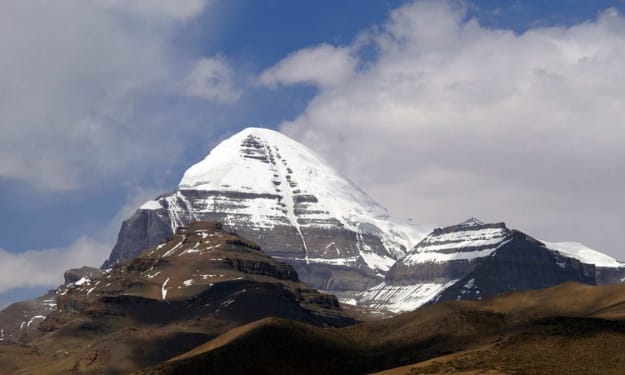
The Kailash Mansarovar Yatra is one of the most sacred pilgrimages in the world, drawing thousands of devotees, adventurers, and spiritual seekers each year. Located in the remote reaches of Tibet, Mount Kailash is not just a natural wonder—it holds immense religious significance for Hindus, Buddhists, Jains, and Bon practitioners. The journey to Kailash is a soul-stirring experience, combining spirituality, raw Himalayan beauty, and cultural exploration.
By Rawat Sikhar10 months ago in Lifehack
Is It Better To Eat Protein Before Or After A Workout? How To Optimize Your Intake For Muscle Growth
If you've given WH's protein challenge a go, you know how important this macro is to your health and fitness goals and a strong training sesh. But does it matter when, exactly, you get some protein in around your workouts impact muscle growth?
By Dena Falken Esq6 days ago in Lifehack
You Can’t AI a Jobsite
Artificial intelligence dominates recent discussions regarding the future of work, and it’s no wonder. Namely, software now writes code, generates legal briefs, and manages complex logistics. White-collar professionals face a period of uncertainty as automation settles into offices worldwide.
By Angela Ash3 days ago in Lifehack



Comments
There are no comments for this story
Be the first to respond and start the conversation.