
Places to Visit During Kailash Mansarovar Yatra
A Sacred Journey Through the Mystical Landscapes of Tibet and the Himalayas
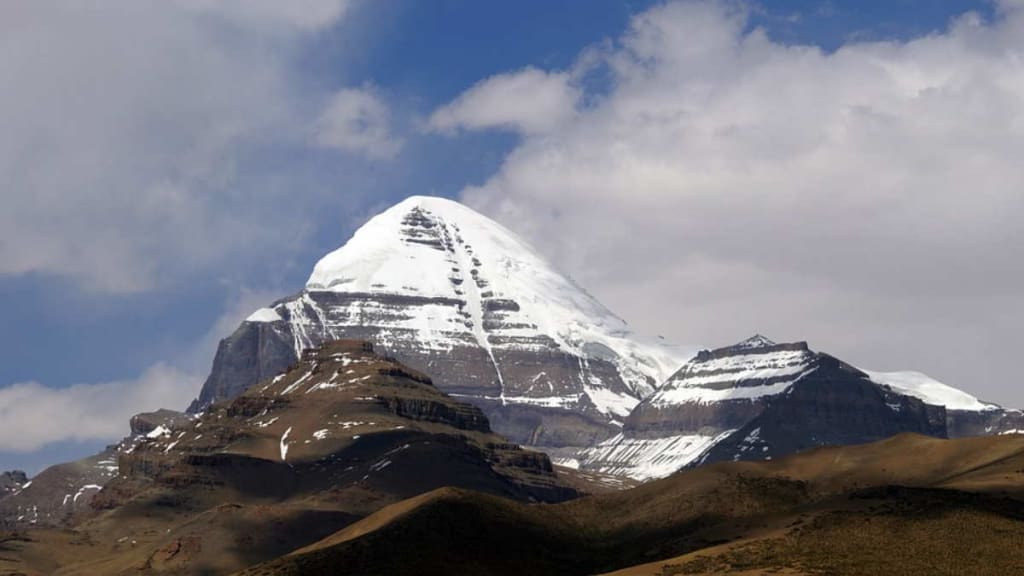
The Kailash Mansarovar Yatra is one of the most sacred pilgrimages in the world, drawing thousands of devotees, adventurers, and spiritual seekers each year. Located in the remote reaches of Tibet, Mount Kailash is not just a natural wonder—it holds immense religious significance for Hindus, Buddhists, Jains, and Bon practitioners. The journey to Kailash is a soul-stirring experience, combining spirituality, raw Himalayan beauty, and cultural exploration.
While the ultimate destination is Mount Kailash and the pristine Lake Mansarovar, the route—whether via India, Nepal, or Tibet—is studded with fascinating places that enrich the experience. In this guide, we’ll explore the must-visit locations during the Kailash Mansarovar Yatra, offering historical context, spiritual meaning, and travel insights.
1. Mount Kailash
Significance:
Mount Kailash, standing tall at 6,638 meters (21,778 feet), is revered as the earthly manifestation of Mount Meru, the cosmic axis in Hindu, Jain, Buddhist, and Bon cosmology. For Hindus, it's the abode of Lord Shiva and Goddess Parvati. For Jains, it’s where Rishabhadeva attained nirvana. Buddhists believe it is the home of Demchok (Chakrasamvara), while Bon followers see it as the seat of Shenrab Miwo.
Experience:
The highlight of the yatra is the Kailash Parikrama (Kora)—a 52-kilometer circumambulation around the mountain. Pilgrims undertake this 3-day trek to attain spiritual merit. The route passes through breathtaking landscapes, ancient monasteries, and high-altitude passes like Dolma La (5,630 m).
2. Lake Mansarovar
Significance:
Located at the base of Mount Kailash, Lake Mansarovar is one of the highest freshwater lakes in the world (4,590 meters above sea level). It is believed to be created by Brahma in Hindu mythology. Taking a dip in its icy waters is said to cleanse one of sins over multiple lifetimes.
Experience:
Pilgrims spend time meditating on its banks, performing pujas, and watching the changing colors of the lake at sunrise and sunset. The serene blue waters, ringed by snow-capped peaks, offer a perfect backdrop for introspection.
3. Rakshastal
Significance:
Just west of Mansarovar lies Lake Rakshastal, a saltwater lake considered inauspicious in Hindu tradition. It is believed to be the lake created by Ravana during his penance to Lord Shiva. It represents darkness and ego, contrasting the purity of Mansarovar.
Experience:
Despite its ominous associations, Rakshastal’s stark beauty is captivating. It forms a twin-lake system with Mansarovar, symbolizing the eternal battle between good and evil.
4. Yam Dwar (The Gateway of the God of Death)
Location: Tarboche, near Darchen
Significance:
“Yam Dwar” means ‘Gateway of the God of Death’ and marks the official starting point of the Mount Kailash Parikrama. According to Hindu beliefs, this is where the soul leaves its material ties and begins a spiritual journey.
Experience:
Pilgrims often perform a small ritual here, seeking protection and divine blessings before the challenging trek. The aura of this place is deeply spiritual, and many choose to leave behind offerings or personal items.
5. Darchen
Significance:
Darchen is the base camp for pilgrims starting the Parikrama. Situated at an altitude of about 4,670 meters, it is the last hub for supplies, accommodations, and medical aid before heading into the wilderness.
Experience:
Though a small, rugged settlement, Darchen is full of life during the pilgrimage season. It is also a good spot to acclimatize and meet fellow pilgrims from across the world.
6. Dirapuk Monastery
Location: Along the northern face of Mount Kailash
Significance:
This monastery is located near the end of the first day’s trek during the Parikrama. It offers the closest and most awe-inspiring view of the North Face of Kailash, considered the most sacred view.
Experience:
Spending a night here is a surreal experience. The towering view of the mountain at dawn or dusk leaves a lasting impression. It’s also a place for deep meditation and reflection.
7. Zuthulpuk Monastery
Significance:
Zuthulpuk, meaning "miracle cave," is the final stop on the Parikrama trail. It is associated with the Tibetan yogi Milarepa, who is believed to have meditated in the cave located here and performed miraculous feats.
Experience:
Pilgrims often visit the cave and meditate, drawing inspiration from Milarepa’s spiritual dedication. The journey from here winds down, both physically and metaphorically, marking a rebirth after the challenging trek.
8. Taklakot (Purang)
Location: On the Tibetan side near the India-Nepal border
Significance:
Taklakot is an ancient trade center and the main town in the Purang district. It's an important stop for Indian pilgrims entering Tibet via the Lipulekh Pass.
Experience:
It is one of the first towns for acclimatization in Tibet and a gateway to Kailash. You can find local markets, Buddhist monasteries, and cultural experiences here, offering a glimpse into Tibetan life.
9. Paryang and Saga
Significance:
These towns serve as major halting points on the overland journey from Kathmandu or Lhasa to Kailash. They are crucial for acclimatization and rest.
Experience:
The drive from Saga to Paryang and onward to Kailash traverses some of the most spectacular terrain on Earth—desert-like plateaus, turquoise lakes, and snowy passes. These remote towns also offer insights into Tibetan nomadic culture.
10. Simikot (Nepal Route)
Location: Humla district, Nepal
Significance:
Simikot is the starting point for the Helicopter + Trekking route to Kailash via Nepal. It’s often the first high-altitude location that pilgrims encounter.
Experience:
Set in the beautiful Karnali region, Simikot offers stunning Himalayan views and access to remote mountain villages. From here, pilgrims fly to Hilsa and then cross into Tibet.
Travel Tips
- Acclimatize properly to prevent altitude sickness.
- Carry essential medicines, thermal wear, and enough cash.
- Respect local customs and religious sentiments.
- Photography may be restricted in certain areas; always ask for permission.
- Get all permits and documentation in order before traveling.
Final Thoughts
The Kailash Mansarovar Yatra is more than a pilgrimage—it’s a life-changing journey. Every step you take towards Mount Kailash is steeped in legend, spirituality, and awe-inspiring natural beauty. From the sacred dip in Lake Mansarovar to the challenging trek across Dolma La, the journey tests your body but elevates your soul.
Whether you seek divine blessings, personal transformation, or just the thrill of adventure, the places along the Kailash Mansarovar Yatra route will leave you spellbound and inspired.
About the Creator
Rawat Sikhar
Rawat is a seasoned digital marketing expert with a knack for crafting compelling campaigns and leveraging data-driven strategies to maximize online visibility and engagement.
Keep reading
More stories from Rawat Sikhar and writers in Lifehack and other communities.
Nun Peak Expedition Guide
Mt. Nun (7,135 meters/23,409 feet) is one of the most famous and challenging trekking peaks in the Indian Himalayas. Located in the Ladakh region, specifically in the Suru Valley, it is part of the Nun Kun mountain massif, which consists of two prominent peaks: Mt. Nun and Mt. Kun. The climb to Mt. Nun Peak is a prestigious mountaineering expedition, demanding a high level of technical skill, physical endurance, and mental strength.
By Rawat Sikhar10 months ago in Lifehack
Is It Better To Eat Protein Before Or After A Workout? How To Optimize Your Intake For Muscle Growth
If you've given WH's protein challenge a go, you know how important this macro is to your health and fitness goals and a strong training sesh. But does it matter when, exactly, you get some protein in around your workouts impact muscle growth?
By Dena Falken Esq6 days ago in Lifehack
You Can’t AI a Jobsite
Artificial intelligence dominates recent discussions regarding the future of work, and it’s no wonder. Namely, software now writes code, generates legal briefs, and manages complex logistics. White-collar professionals face a period of uncertainty as automation settles into offices worldwide.
By Angela Ash3 days ago in Lifehack



Comments
There are no comments for this story
Be the first to respond and start the conversation.