
Guide to Protecting Your Sexual Health
How to deal with unwanted pregnancy
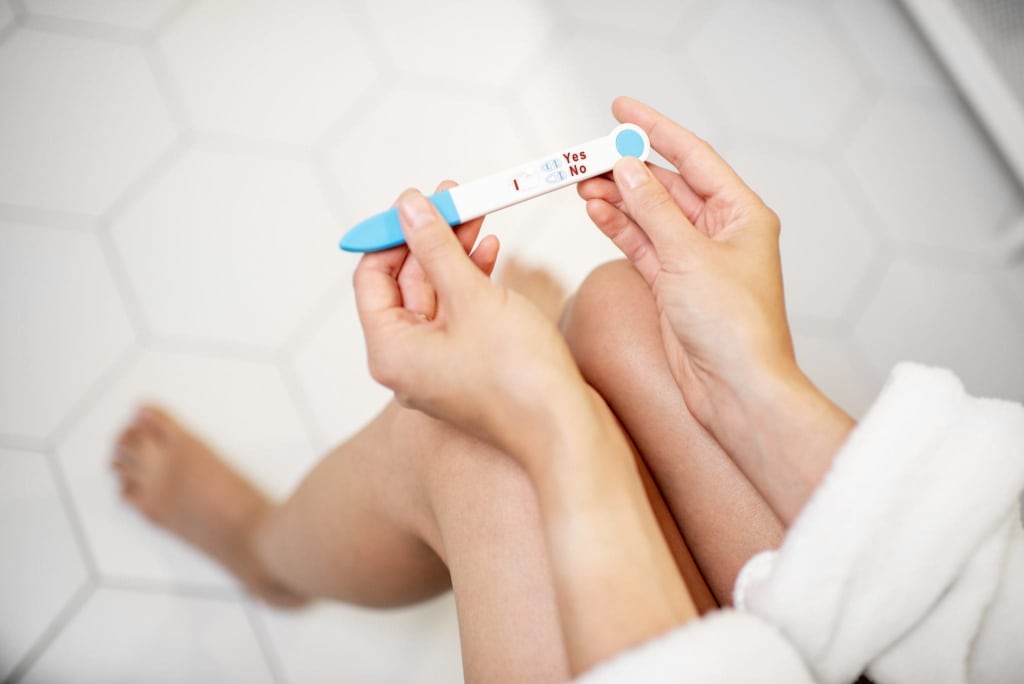
Sexual health is a vital part of overall well-being, and it’s essential to understand the methods available to protect yourself from unwanted pregnancies and sexually transmitted infections (STIs). Whether you’re just beginning to think about sex or already sexually active, knowing your options empowers you to make informed and responsible decisions.
Let’s explore the various forms of contraception, their benefits, and how they work.
Barrier Methods: Condoms
Barrier methods are among the most popular forms of contraception. They provide dual protection by preventing both unwanted pregnancies and the transmission of STIs.
External Condoms:
Description: These are worn over the penis and act as a barrier to prevent semen from entering the partner’s body.
Availability: Widely accessible at drugstores, supermarkets, health clinics, and even vending machines in some places.
Usage Tips: Always check the expiration date, ensure the package is intact, and use water-based or silicone-based lubricants to prevent tearing.
Internal Condoms:
Description: These are inserted into the vagina or rectum and offer similar protection.
Availability: Found in pharmacies, online stores, and health centers.
Usage Tips: Internal condoms provide more control to the receptive partner and can be inserted hours before sexual activity.
Important Reminder: Never use an external condom and an internal condom simultaneously, as friction can cause both to tear.
Hormonal Methods
Hormonal contraceptives work by preventing ovulation, ensuring that no egg is available for fertilization. These methods require a doctor’s prescription and offer varying durations of effectiveness.
The Patch:
How It Works: A small adhesive patch sticks to your skin and releases hormones into your bloodstream.
Effectiveness: Provides protection for one week per patch, and a new patch is applied weekly for three weeks, followed by a patch-free week.
The Ring:
How It Works: A flexible ring is inserted into the vagina, where it releases hormones over three weeks.
Convenience: It’s discreet, and users don’t need to think about contraception daily.
The Shot:
How It Works: An injection given by a healthcare provider releases hormones directly into your bloodstream, preventing ovulation.
Duration: Each shot lasts about three months.
The Pill:
How It Works: Taken orally every day at the same time, the pill releases hormones that stop ovulation.
Variety: There are different formulations, so a doctor can recommend one that suits your body and lifestyle.
Note: While hormonal methods are highly effective at preventing pregnancy, they do not protect against STIs.
Long-Acting Reversible Contraceptives (LARCs)
For those seeking a “set-it-and-forget-it” approach, long-acting reversible contraceptives are excellent options.
IUDs (Intrauterine Devices):
Description: Small, T-shaped devices inserted into the uterus by a healthcare provider.
Types:
Hormonal IUDs: Release hormones that prevent ovulation and can last 3–7 years.
Copper IUDs: Non-hormonal and rely on copper to create an environment hostile to sperm, lasting up to 12 years.
Benefits: IUDs are over 99% effective and reversible at any time.
The Implant:
Description: A small, flexible rod inserted under the skin of the upper arm.
How It Works: Releases hormones that stop the ovaries from releasing eggs.
Duration: Effective for up to three years.
LARCs are highly effective and low-maintenance but require a healthcare provider for both insertion and removal.
Other Methods
Withdrawal (Pullout Method):
How It Works: The penis is withdrawn from the partner’s body before ejaculation.
Risks: This method has a high failure rate due to human error and the presence of sperm in pre-ejaculate fluid.
Protection Against STIs: Withdrawal does not provide any STI protection, making it a less reliable choice.
Abstinence:
Description: Choosing not to engage in sexual activity is the only method that offers 100% protection against both pregnancy and STIs.
Flexibility: Abstinence doesn’t have to be a permanent decision—anyone can choose abstinence at any stage, even if they’ve been sexually active before.
Key Considerations for Choosing a Method
When deciding on a contraceptive method, consider the following factors:
Your Lifestyle: Are you looking for a short-term or long-term solution?
Health Needs: Certain medical conditions may make some methods unsuitable for you.
Ease of Use: Would you prefer a daily routine, like the pill, or a longer-term solution, like an IUD or implant?
STI Protection: If STI prevention is a priority, condoms are the only option that offers dual protection.
With so many options available, there’s a contraceptive method to fit every lifestyle and preference. If you’re unsure about which method is best for you, talk to a trusted adult or healthcare provider. They can provide personalized advice based on your needs and answer any questions you might have.
Remember, protecting your sexual health is an essential part of taking care of yourself. Stay informed, make responsible choices, and prioritize your well-being.
Stay safe and confident in your decisions!
About the Creator
Keep reading
More stories from Saida Ahmadli and writers in Lifehack and other communities.
Why Oral Health Matters More Than You Think
Your mouth is one of the main gateways to your body. Everything you eat and drink passes through it first. When hygiene is neglected, harmful bacteria can grow quickly, forming plaque and irritating soft tissues. Over time, this can lead to inflammation, sensitivity, and infections that may even affect other parts of the body.
By Nenci Gajera 2 days ago in Lifehack
How To Plan Your Packing List for A January Visit to The Hills
The beautiful country of Sri Lanka, also known as the pearl of the Indian Ocean, is a fantastic place to visit, especially for anyone hoping to get a glimpse of the misty hills. January is quite a pleasant time to travel through Sri Lanka’s hill country. Cooler air, foggy mornings, as well as the gorgeous scenery of tea estates, create a great setting to travel in. Packing with care helps you stay comfortable during road journeys, outdoor walks and quiet evenings indoors. This guide is a breakdown of the most practical way to pack for this trip without carrying more than you need.
By John Pattingsona day ago in Lifehack
Flower Bloom 369
FLOWER Bloom 2/25/26 Wednesday By Mariann Carroll Karen had been with Tony for 7 years. Tony started acting strangely after her surgery. He would mow the lawn in the rain and be on his cellphone. He started pushing Karen away. Tony came clean about seeing someone. Karen moved out two months later. Karen moved in with a friend. She felt betrayed.
By Mariann Carroll7 days ago in Fiction



Comments
There are no comments for this story
Be the first to respond and start the conversation.