
Green Thumb Guide
Tips and Tricks for a Thriving Garden

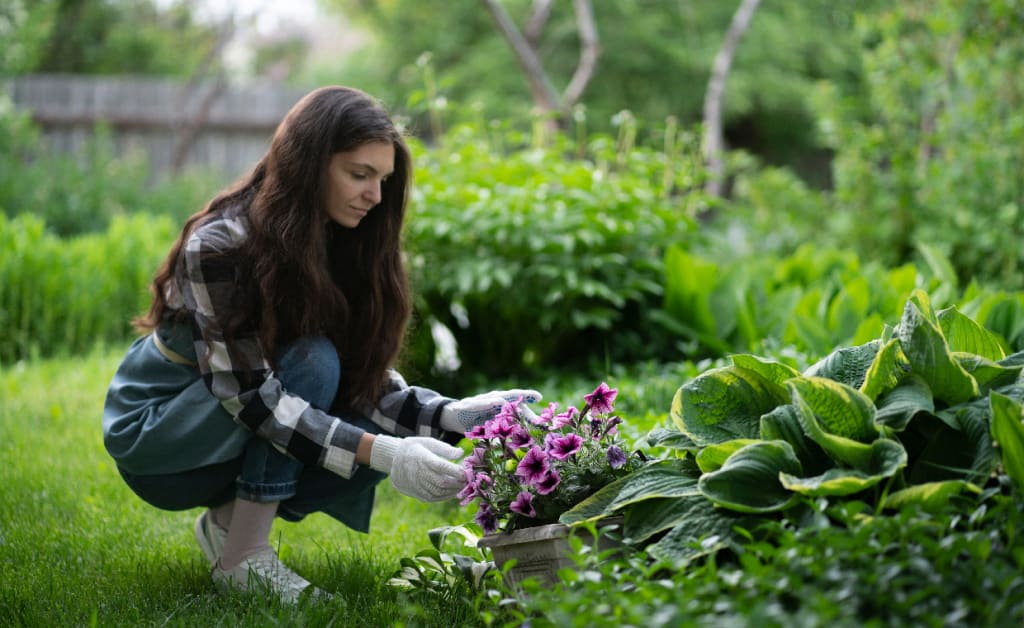
Gardening is a rewarding hobby that brings beauty, tranquility, and a touch of nature into our lives. Whether you’re a seasoned gardener or just starting out, creating a thriving garden requires a blend of knowledge, patience, and a little bit of magic. This guide provides essential tips and tricks to help you cultivate a lush and vibrant garden that flourishes in every season.
1. Know Your Soil
The foundation of a healthy garden starts with good soil. Understanding your soil type—whether it’s sandy, clay, loamy, or silty—can help you determine the best plants to grow and how to amend the soil to improve its structure and fertility. Conduct a soil test to check pH levels and nutrient content. Most plants prefer slightly acidic to neutral soil (pH 6.0-7.0). Amend the soil with compost, organic matter, or specific soil conditioners to achieve the optimal growing conditions.
2. Choose the Right Plants
Selecting the right plants for your garden’s climate, soil, and sunlight conditions is crucial for success. Research the hardiness zones in your area and choose plants that thrive in those conditions. Consider factors like water requirements, growth habits, and pest resistance. Native plants are often a great choice as they are adapted to local conditions and support local wildlife.
3. Plan Your Garden Layout
A well-planned garden layout can enhance both the aesthetic appeal and functionality of your garden. Consider the mature size of plants to avoid overcrowding and ensure proper spacing for air circulation and growth. Group plants with similar water and sunlight needs together. Incorporate pathways, raised beds, and focal points like garden art or a seating area to create an inviting and organized space.
4. Water Wisely
Proper watering is essential for plant health. Water deeply and infrequently to encourage deep root growth. Early morning is the best time to water, as it allows foliage to dry before evening, reducing the risk of fungal diseases. Use drip irrigation or soaker hoses to minimize water wastage and ensure consistent moisture. Mulching around plants helps retain soil moisture and suppress weeds.
5. Fertilize for Growth
Fertilizing provides plants with the essential nutrients they need to grow and thrive. Use a balanced, slow-release fertilizer or organic options like compost, manure, and fish emulsion. Be mindful of the specific nutrient needs of different plants and avoid over-fertilization, which can harm plants and the environment. Regularly replenish organic matter in the soil to maintain fertility.
6. Prune and Deadhead
Pruning and deadheading are essential maintenance tasks that promote healthy growth and extend the blooming period of flowering plants. Remove dead, damaged, or diseased branches to improve air circulation and reduce pest and disease problems. Deadhead spent flowers to encourage new blooms and maintain a tidy appearance. Prune shrubs and trees at the right time of year for optimal results.
7. Embrace Companion Planting
Companion planting involves growing certain plants together to enhance growth, deter pests, and improve flavor. For example, planting basil near tomatoes can repel aphids and improve the taste of tomatoes. Marigolds can deter nematodes and other harmful insects when planted near vegetables. Research companion planting combinations to create a harmonious and productive garden.
8. Practice Integrated Pest Management
Integrated Pest Management (IPM) is an eco-friendly approach to controlling pests using a combination of methods. Encourage beneficial insects like ladybugs and lacewings that prey on pests. Use physical barriers, such as row covers and nets, to protect plants. If necessary, apply organic or chemical controls as a last resort, following the manufacturer’s instructions carefully.
9. Rotate Crops
Crop rotation helps prevent soil depletion and reduces the buildup of pests and diseases. Avoid planting the same type of crop in the same location year after year. Instead, rotate crops with different nutrient requirements and growth habits. This practice promotes soil health and increases the resilience of your garden.
10. Enjoy the Process
Finally, remember that gardening is a journey, not a destination. Enjoy the process of nurturing your plants, observing their growth, and learning from both successes and challenges. Gardening can be a therapeutic and fulfilling experience, providing a sense of accomplishment and a deeper connection to nature.
Conclusion
With the right knowledge and a little bit of effort, anyone can develop a green thumb and create a thriving garden. By understanding your soil, choosing the right plants, and implementing effective gardening practices, you can cultivate a garden that brings joy and beauty throughout the seasons. Happy gardening!
About the Creator
Sazeeb Chowdury
Passionate writer with a knack for crafting engaging content. Experienced in marketing, mental health, and tech reviews. Always curious, always learning. Let’s connect and create something amazing together!
Keep reading
More stories from Sazeeb Chowdury and writers in Lifehack and other communities.
The Future of AI
Artificial Intelligence (AI) is no longer a concept confined to science fiction; it is a transformative force reshaping various aspects of our daily lives. From healthcare to entertainment, AI’s impact is profound and far-reaching. This article explores how AI is revolutionizing everyday life and what the future holds for this groundbreaking technology.
By Sazeeb Chowduryabout a year ago in Lifehack
Don’t Feel at Home in Your Own Home? Interiors Expert Reveals Subtle Design Shifts That Instantly Elevate Your Space
Our homes are meant to be the place we love the most – yet many people feel disconnected from them. Approximately 36% of UK homeowners reported being unhappy with their current housing situation in 2025.
By Millie Bradbury5 days ago in Lifehack




Comments
There are no comments for this story
Be the first to respond and start the conversation.