

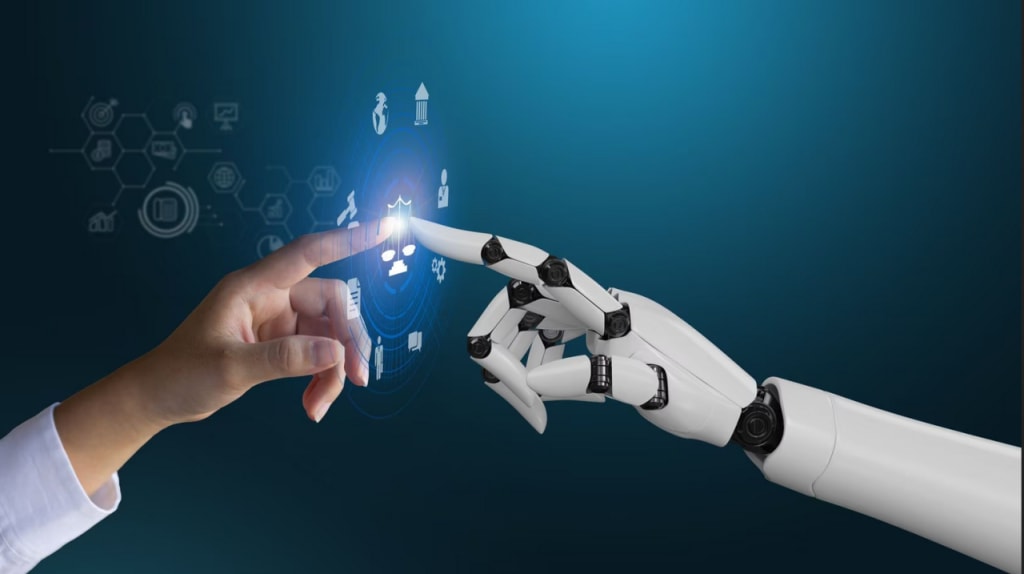
Artificial Intelligence (AI) is no longer a concept confined to science fiction; it is a transformative force reshaping various aspects of our daily lives. From healthcare to entertainment, AI’s impact is profound and far-reaching. This article explores how AI is revolutionizing everyday life and what the future holds for this groundbreaking technology.
AI in Healthcare
- One of the most significant areas where AI is making a difference is healthcare. AI-powered systems are enhancing diagnostic accuracy, predicting patient outcomes, and personalizing treatment plans. For instance, AI algorithms can analyze medical images to detect diseases like cancer at an early stage, often with greater accuracy than human doctors1. Additionally, AI-driven predictive analytics can forecast patient deterioration, enabling timely interventions and improving patient care.
- Moreover, AI is revolutionizing drug discovery. Traditional methods of developing new drugs are time-consuming and expensive. AI accelerates this process by analyzing vast datasets to identify potential drug candidates, significantly reducing the time and cost involved2. This not only speeds up the availability of new treatments but also makes them more affordable.
AI in Education
- Education is another sector experiencing a transformation due to AI. Personalized learning platforms use AI to adapt educational content to individual students’ needs, ensuring that each learner receives a tailored educational experience3. These platforms can identify areas where students struggle and provide additional resources or alternative explanations to help them understand complex concepts.
- AI is also enhancing administrative efficiency in educational institutions. Automated systems handle tasks such as grading, scheduling, and student enrollment, freeing up educators to focus more on teaching and mentoring4. Furthermore, AI-powered tools are being used to develop immersive learning experiences, such as virtual labs and simulations, which provide hands-on learning opportunities without the need for physical resources.
AI in Transportation
- The transportation industry is on the brink of a revolution, thanks to AI. Self-driving cars, once a futuristic dream, are becoming a reality. Companies like Tesla, Waymo, and Uber are developing autonomous vehicles that promise to make roads safer and reduce traffic congestion5. These vehicles use AI to navigate, make decisions, and learn from their environment, continually improving their performance.
- AI is also optimizing public transportation systems. Predictive analytics and real-time data analysis help manage traffic flow, reduce delays, and improve the efficiency of public transit networks. Additionally, AI-powered logistics systems are streamlining supply chains, ensuring that goods are transported more efficiently and sustainably.
AI in Entertainment
- The entertainment industry is leveraging AI to create more engaging and personalized experiences. Streaming services like Netflix and Spotify use AI algorithms to analyze user preferences and recommend content tailored to individual tastes. This not only enhances user satisfaction but also helps content creators reach their target audiences more effectively.
- In the realm of video games, AI is being used to develop more realistic and adaptive game environments. AI-driven characters can learn from players’ actions, providing a more immersive and challenging gaming experience. Furthermore, AI is being used in content creation, with algorithms capable of generating music, art, and even scripts, pushing the boundaries of creativity.
AI in Everyday Convenience
- AI is also making everyday tasks more convenient. Virtual assistants like Siri, Alexa, and Google Assistant use natural language processing to understand and respond to user commands, helping with tasks such as setting reminders, controlling smart home devices, and providing information. These assistants are continually learning from user interactions, becoming more accurate and useful over time.
- Smart home technology, powered by AI, is enhancing home security, energy efficiency, and overall convenience. AI-enabled devices can learn homeowners’ habits and preferences, adjusting lighting, temperature, and security settings automatically. This not only improves comfort but also contributes to energy savings and sustainability.
The Ethical and Social Implications
- While the benefits of AI are undeniable, it is essential to consider the ethical and social implications. Issues such as data privacy, algorithmic bias, and job displacement need to be addressed to ensure that AI is developed and deployed responsibly. Policymakers, technologists, and society at large must work together to create frameworks that promote ethical AI practices and mitigate potential risks.
The Future of AI
- Looking ahead, the future of AI holds immense potential. Advances in machine learning, neural networks, and quantum computing are expected to drive further innovations. AI will likely become even more integrated into our daily lives, enhancing our capabilities and improving our quality of life.
- In healthcare, AI could lead to breakthroughs in personalized medicine, enabling treatments tailored to an individual’s genetic makeup. In education, AI-driven platforms could provide lifelong learning opportunities, adapting to our evolving needs and interests. Autonomous transportation could become the norm, reducing accidents and making travel more efficient.
- As AI continues to evolve, it is crucial to ensure that its development is guided by ethical considerations and a commitment to improving human well-being. By harnessing the power of AI responsibly, we can create a future where technology enhances our lives in ways we can only begin to imagine.
About the Creator
Sazeeb Chowdury
Passionate writer with a knack for crafting engaging content. Experienced in marketing, mental health, and tech reviews. Always curious, always learning. Let’s connect and create something amazing together!
Keep reading
More stories from Sazeeb Chowdury and writers in Lifehack and other communities.
Mind Over Matter
In a world filled with constant change and unexpected challenges, mental resilience has become a crucial trait for navigating life’s ups and downs. Mental resilience, often referred to as psychological resilience, is the ability to adapt to stress, adversity, and trauma while maintaining mental well-being. It’s not about avoiding difficulties but rather about bouncing back from them stronger and more capable. This article explores the science behind mental resilience and offers strategies to cultivate it.
By Sazeeb Chowduryabout a year ago in Lifehack
Your Comprehensive Guide to the EB-5 Visa
The United States has long been a destination for individuals seeking new opportunities and a better quality of life. For foreign investors, the EB-5 Immigrant Investor Program offers a direct path to achieving this goal. This program stimulates the U.S. economy through capital investment and job creation, and in return, provides investors and their families a route to permanent residency. This guide will walk you through every aspect of the EB-5 visa, from eligibility to the application process, so you can understand if this path is right for you.
By Ahsan Qazi 6 days ago in Lifehack
How to Hire a Quality Painting Team in Sydney Without the Job Dragging On
A repaint is meant to be a tidy upgrade: cleaner lines, brighter rooms, a place that feels looked-after again. Yet plenty of paint projects in Sydney turn into a slow-motion inconvenience—rooms half usable, dates sliding, and that lingering sense the finish isn’t quite right.
By Evelyn Hearda day ago in Lifehack
The Politics of Playing Dress-Up
Well, to start off I'd like to say a happy world book day to all who celebrate. I know I haven't really posted anything on my socials about it but I'm not a jubilant kind of person. I lay low most of the time. Let's start off with a popular anecdote from the vaults...
By Annie Kapur5 days ago in Geeks




Comments
There are no comments for this story
Be the first to respond and start the conversation.