
Fruits That Grow from Cuttings: Nature’s Shortcut to Abundance
Discover the Easiest Fruits to Propagate Without Seeds—Save Time, Space, and Money in Your Garden
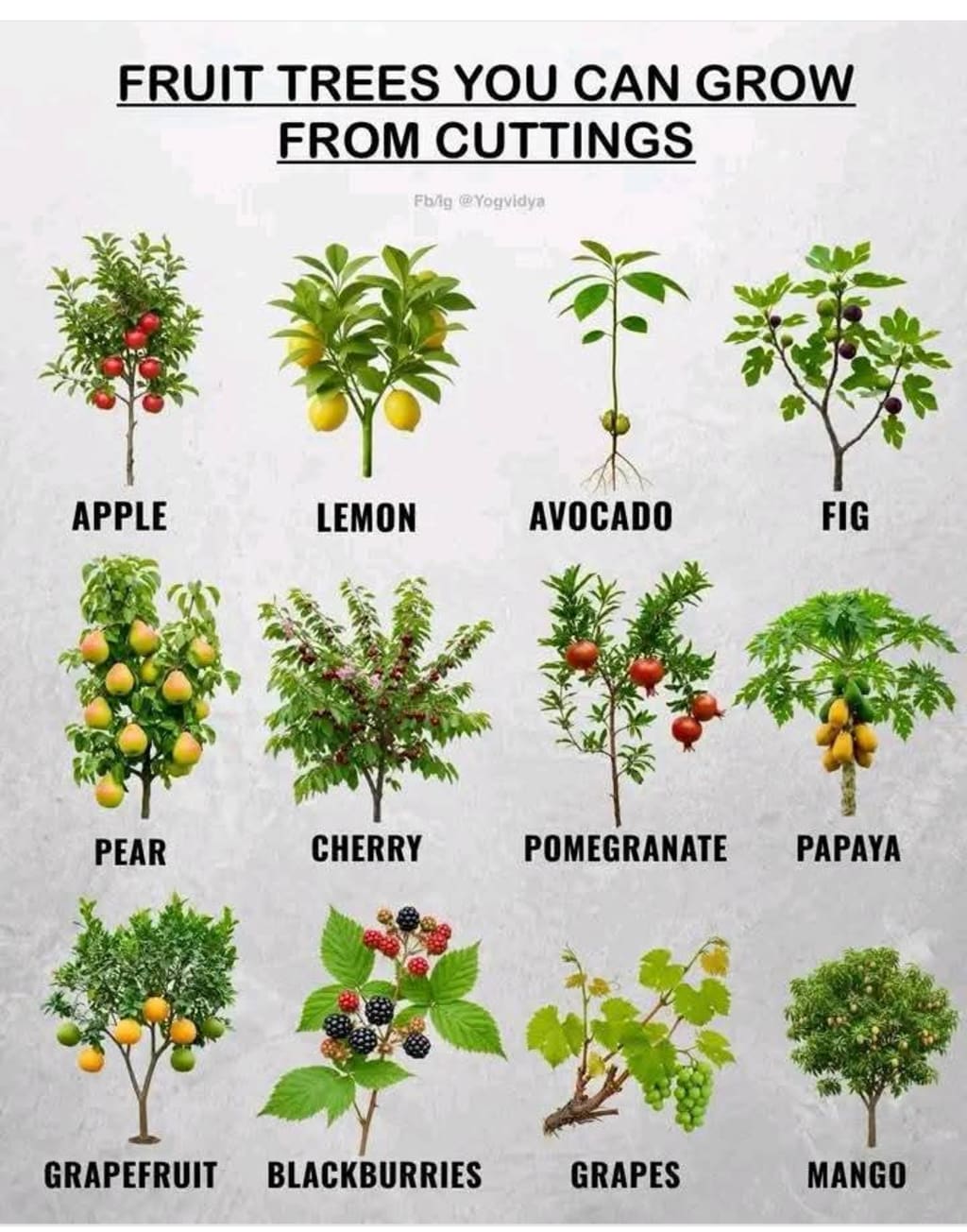
Growing fruit doesn’t have to start with seeds. In fact, some of the most delicious and productive fruit plants can begin their lives from something much simpler: a cutting. It’s nature’s shortcut—and the gardener’s secret weapon. Whether you're a beginner or an experienced green thumb, learning how to grow fruits from cuttings opens the door to faster results, stronger plants, and a deeper connection to your food.
In this guide, we’ll explore the magic of propagation through cuttings, spotlight the fruits you can grow this way, and provide practical tips to help you succeed—even if you’ve never gardened before.
---
What Are Cuttings?
Cuttings are sections of a plant—usually a stem or branch—that can be placed in soil or water to grow new roots and eventually become a full-grown plant. Unlike planting seeds, which takes time and may not guarantee the same quality of fruit, cuttings offer a reliable method for cloning a fruit-bearing plant. This means that the fruit you grow from a cutting will be genetically identical to the parent plant.
Cutting propagation is faster, more predictable, and often easier than starting from seeds. It's also cost-effective—no need to buy new plants when you can create your own from what you already have.
---
Why Grow Fruits from Cuttings?
Here are just a few reasons why propagation from cuttings is so popular:
Faster growth: Cuttings grow faster than seedlings because they skip the germination stage.
Reliable fruit quality: Since you're cloning the plant, the new fruit will have the same taste and quality.
Cost-effective: You can multiply your plants without spending money on new seeds or saplings.
Satisfying and fun: Watching a bare stem grow into a fruit-bearing plant is a rewarding experience.
---
Top Fruits That Can Grow from Cuttings
Let’s take a look at some of the easiest and most common fruit plants you can propagate from cuttings. You might be surprised how many of your favorite fruits can grow this way.
---
1. Grapes
Grapevines are among the most popular fruits to propagate through hardwood cuttings. In late winter, before the plant begins to bud, take a pencil-thick piece of vine about 8–12 inches long. Make sure each cutting has at least three nodes (the little bumps where leaves and roots grow). Plant the cutting in well-draining soil with the top node just above the ground.
Grapes love sunlight, so plant them in a bright area. Within a few months, you’ll see roots forming, followed by new growth. With proper care, you’ll have your own vineyard in just a few seasons.
---
2. Figs
Fig trees are remarkably easy to grow from cuttings. They don’t require grafting and root quickly. Take a 6–10 inch cutting from a healthy, mature fig tree during dormancy (late fall to early spring). Plant it in moist soil or even root it in water.
Figs are hardy and fast-growing. Within a year or two, you can be enjoying sweet, homegrown figs with very little maintenance.
---
3. Pomegranates
Pomegranate trees can be started from both softwood and hardwood cuttings. They thrive in warm climates but can also be grown in containers in colder areas. Take 8–10 inch hardwood cuttings in winter or early spring and plant them in well-drained soil.
These fruit trees are drought-tolerant and produce fruit in 2–3 years after propagation. The vibrant red seeds are not only delicious but packed with antioxidants and nutrients.
---
4. Mulberries
Mulberries grow quickly from cuttings and produce an abundance of sweet berries that resemble elongated blackberries. Hardwood cuttings work best, taken in late fall or winter. Place them in moist soil, and keep them in a warm area with indirect sunlight.
Once established, mulberry trees can produce fruit for decades and provide excellent shade and food for birds as well.
---
5. Blackberries
Blackberries are very forgiving and root well from stem cuttings, especially tip layering (when the tip of the cane touches the ground and starts rooting). However, you can also take 6–8 inch cuttings in early spring and root them in water or soil.
They require minimal care and often spread on their own, so be ready to give them space or prune them back.
---
6. Blueberries (with a twist)
While blueberries are usually propagated from cuttings, they’re a bit trickier and require acidic soil. Take softwood cuttings in late spring or early summer. Dip the ends in rooting hormone for better results and plant them in a mixture of peat moss and sand.
Blueberries are worth the effort—they’re full of antioxidants and perfect for smoothies, baking, or snacking right off the bush.
---
7. Gooseberries and Currants
These tart fruits are less common in supermarkets but grow easily from hardwood cuttings. Take 8-inch cuttings during dormancy and plant them in well-drained soil. Both gooseberries and currants thrive in cool climates and produce fruit within a couple of years.
---
8. Dragon Fruit (Pitaya)
This exotic fruit comes from a cactus and is surprisingly easy to grow from cuttings. Take a 6–12 inch cutting from a mature plant and let it dry for a few days to form a callus. Then plant it in sandy, well-draining soil.
Dragon fruit grows best in hot, sunny climates and can even climb trellises or fences. In just a year or two, you could be harvesting these vibrant, tropical treats.
---
How to Propagate Fruit from Cuttings: Step-by-Step Guide
Here’s a basic method you can adapt for most fruits:
1. Choose a healthy parent plant: Make sure it’s disease-free and known to produce good-quality fruit.
2. Take the cutting: Use clean, sharp shears to cut a stem 6–10 inches long with at least 2–3 nodes.
3. Prepare the cutting: Remove leaves from the bottom half. Dip the end in rooting hormone (optional but helpful).
4. Plant it: Place in moist soil or water, depending on the plant type.
5. Create a humid environment: Cover with a plastic bag or place in a greenhouse.
6. Wait and watch: Keep the soil moist and warm. Roots usually form in 2–6 weeks.
7. Transplant: Once roots are strong, move the new plant to a larger pot or your garden.
---
Common Mistakes to Avoid
Using weak or diseased cuttings
Overwatering—this can cause rot
Planting in poor soil—always use well-drained soil
Impatience—some cuttings take weeks to root, but the results are worth the wait
---
Final Thoughts: Growing Abundance from a Single Stem
The idea that you can grow an entire fruit-bearing plant from a simple cutting feels almost like magic. It’s a testament to the resilience and generosity of nature—and an invitation for you to participate in the miracle of growth.
Whether you're trying to save money, fill your garden, or pass along heirloom fruit to the next generation, propagating fruits from cuttings is a practical, powerful method. Start with one. Watch it grow. Then do it again.
About the Creator
Hasbanullah
I write to awaken hearts, honor untold stories, and give voice to silence. From truth to fiction, every word I share is a step toward deeper connection. Welcome to my world of meaningful storytelling.
Keep reading
More stories from Hasbanullah and writers in Lifehack and other communities.
"Star Share: 101 Tips to Improve Your Life":
In today’s fast-paced world, life often feels like a race—one filled with pressure, expectations, deadlines, and digital noise. Amid the chaos, it’s easy to forget that we are stars in our own right—each of us born to shine in our unique way. But how do we tap into our full potential? How do we become the best versions of ourselves physically, mentally, emotionally, and spiritually?
By Hasbanullah7 months ago in Lifehack
$17,344! Or Would You Prefer A Nice Coffee Instead?
We’ve all heard the Victorian proverb ‘look after the pennies and the pounds will take care of themselves.’ This is of course, sound advice. But it was also written during a time when mass consumerism was in it’s infancy.
By Simon Aylward7 days ago in Lifehack




Comments
There are no comments for this story
Be the first to respond and start the conversation.