
Foods That Fuel Anxiety & Depression: 5 Unexpected Diet Dangers
How Your Diet Could Be Secretly Sabotaging Your Mood, Focus, and Emotional Well-Being

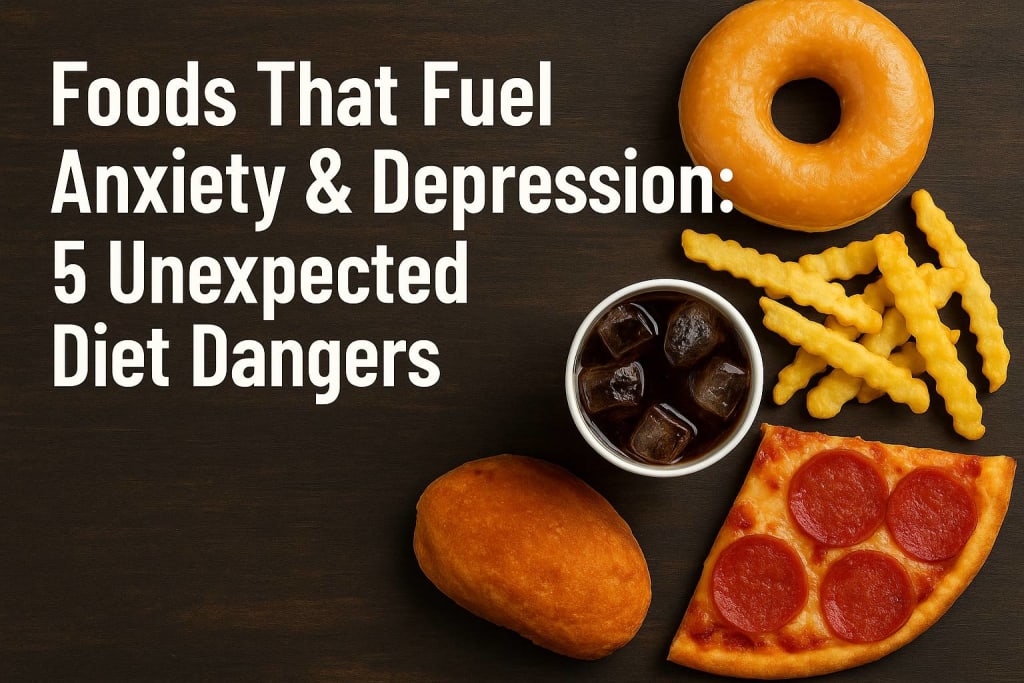
Therapy, exercise, and stress management are often our primary concerns when it comes to mental health; however, what we eat is just as important. There is a strong link between the gut and the brain, and research has shown that certain foods can make anxiety, depression, and cognitive function worse. While comfort foods might provide temporary relief, some can actually harm your mental well-being in the long run.
The five most common foods that could be bad for your mental health and the reasons why you might want to think twice before eating them regularly.
1. Sugar: The Mood-Destroying Sweet Trap
Sugar is everywhere - hidden in sodas, processed snacks, and even "healthy" foods like yogurt and granola. A sugary treat can give you a quick boost of energy, but the crash that comes after it can make you irritable, anxious, and tired.
How Sugar Affects Mental Health:
- Blood Sugar Spikes & Crashes: High sugar intake leads to rapid spikes in blood sugar, followed by sharp drops, which can cause mood swings and increased anxiety.
- Inflammation: Excess sugar promotes inflammation, which has been linked to depression and cognitive decline.
- Dopamine Dysregulation: Sugar triggers dopamine release (the "feel-good" chemical), leading to addictive eating patterns that can worsen mental health over time.
What to Do Instead:
Reduce your intake of processed sugar by choosing natural sweeteners like honey or fruits. Balancing meals with protein, fiber, and healthy fats can help stabilize blood sugar levels.
2. Processed Foods: The Silent Mood Killers
Fast food, frozen meals, and packaged snacks are convenient, but they’re often loaded with unhealthy fats, artificial additives, and refined carbs—all of which can harm your brain.
How Processed Foods Affect Mental Health:
- Trans Fats & Bad Fats: Found in fried foods and margarine, trans fats increase inflammation and have been linked to higher depression rates.
- Artificial Additives: Preservatives, colorings, and flavor enhancers (like MSG) may disrupt neurotransmitter function, potentially worsening anxiety.
- Nutrient Deficiency: Processed foods lack essential vitamins (like B vitamins and omega-3s) that support brain health.
What to Do Instead:
Choose whole, unprocessed foods like vegetables, lean proteins, and whole grains. Meal prepping can help avoid the temptation of quick, unhealthy options.
3. Alcohol: The Depressant in Disguise
Many people turn to alcohol to relax, but it’s actually a depressant that can worsen anxiety and depression over time.
How Alcohol Affects Mental Health:
- Neurotransmitter Disruption: Alcohol alters serotonin and dopamine levels, leading to mood instability.
- Sleep Disruption: While alcohol might help you fall asleep, it reduces REM sleep, leaving you fatigued and irritable the next day.
- Increased Anxiety & Depression: Regular consumption can deplete GABA (a calming neurotransmitter), making stress harder to manage.
What to Do Instead:
Limit alcohol intake and opt for calming alternatives like herbal tea or sparkling water with lemon. If you drink, moderation is key.
4. Caffeine: The Double-Edged Stimulant
Coffee and energy drinks can boost alertness, but too much caffeine can lead to heightened anxiety and sleep disorders.
How Caffeine Affects Mental Health:
- Anxiety & Jitters: Caffeine stimulates adrenaline, which can trigger panic attacks in sensitive individuals.
- Sleep Disruption: Consuming caffeine late in the day can interfere with sleep, worsening mood and cognitive function.
- Dependency & Withdrawal: Relying on caffeine can lead to crashes, irritability, and headaches when you skip it.
What to Do Instead:
Limit caffeine to mornings and try switching to decaf or herbal teas in the afternoon. Keeping hydrated can also naturally aid in energy maintenance.
5. Artificial Sweeteners: The Brain’s Fake Friends
To cut calories, a lot of people turn to diet sodas and sugar-free products, but artificial sweeteners like aspartame can hurt mental health.
How Artificial Sweeteners Affect Mental Health:
- Mood Disorders: Aspartame has been linked to increased irritability and depression in some studies.
- Gut Microbiome Disruption: Artificial sweeteners may alter gut bacteria, which play a key role in serotonin production.
- Increased Cravings: They can trick the brain into craving more sweets, leading to blood sugar imbalances.
What to Do Instead:
To adjust your taste buds, use natural sweeteners like stevia or monk fruit in moderation or gradually reduce the sweetness.
Final Thoughts: Eating for a Healthier Mind
What you eat doesn’t just affect your waistline—it shapes your mood, energy, and mental clarity. By reducing these five problematic foods and focusing on whole, nutrient-rich options, you can support both your brain and emotional well-being.
Small changes, like swapping soda for sparkling water or choosing whole grains over white bread, can make a big difference over time. Your brain (and your future self) will thank you!
Would you consider cutting back on any of these foods for better mental health? Let me know in the comments!
About the Creator
Morsalin Russell
I’m a passionate writer with a knack for dissecting the issues that matter. Whether it’s culture, politics, or everyday life, I don’t just observe—I take a stand. My articles are more than just words; they also provoke thought.
Keep reading
More stories from Morsalin Russell and writers in Lifehack and other communities.
Eat More, Lose More? The Calorie Deficit Hack
It sounds like a crazy challenge to lose 30 pounds in 45 days, right? Perhaps impossible. But guess what? If you are willing to put in the effort, maintain your discipline, and take a smart, healthy approach, it is completely doable.
By Morsalin Russell10 months ago in Lifehack
The 5 Morning Habits That Destroy Your Brain
Two years ago, I sat staring at my computer screen with a blank, heavy mind. My online business was tanking, my website traffic had flatlined, and I could barely string together a coherent sentence for my weekly newsletter. I was exhausted before the day even started.
By John Arthor7 days ago in Lifehack
How to Recover a Yahoo Account: The Ultimate Step-by-Step Guide for 2026
Losing access to your Yahoo account can feel like losing a digital key to your personal and professional life. With a history that includes some of the largest data breaches globally, securing and knowing how to recover your account is more critical than ever. Whether you’ve been locked out due to a forgotten password, a hacked account, or an old, inactive email address, this comprehensive guide walks you through every official method to regain access. We will cover explicit recovery techniques, essential protection strategies to prevent future lockouts, and answer the most frequently asked questions, all based on professional insights.
By Alexander Hoffmann2 days ago in Lifehack
Pandora’s Burden
“My brother warned me to not accept gifts from the one who commissioned you,” said Epimetheus to the woman clad in silvery raiments standing at the entrance to the temple. Her silver tiara and the silver rings on her fingers and toes glinted in the firelight cast by torches set on either side of the doorway. Lingering in the shadows, beyond the reach of the flames as she was, he could not tell what she held in her hands. At first what appeared to be a box was perhaps a funerary urn, or maybe merely an apple.
By J. Otis Haasa day ago in Fiction




Comments (1)
I wrote this article to shed light on how common foods can quietly affect our mental health. Small dietary tweaks—like cutting back on sugar or processed snacks—made a noticeable difference in my own anxiety levels. This isn’t about restriction, but empowerment: when we eat with our brains in mind, we fuel resilience from the inside out.