
Eating Strategies to Lose Belly Fat: A Step-by-Step Guide
Stage 1: Kick-starting the fat loss process
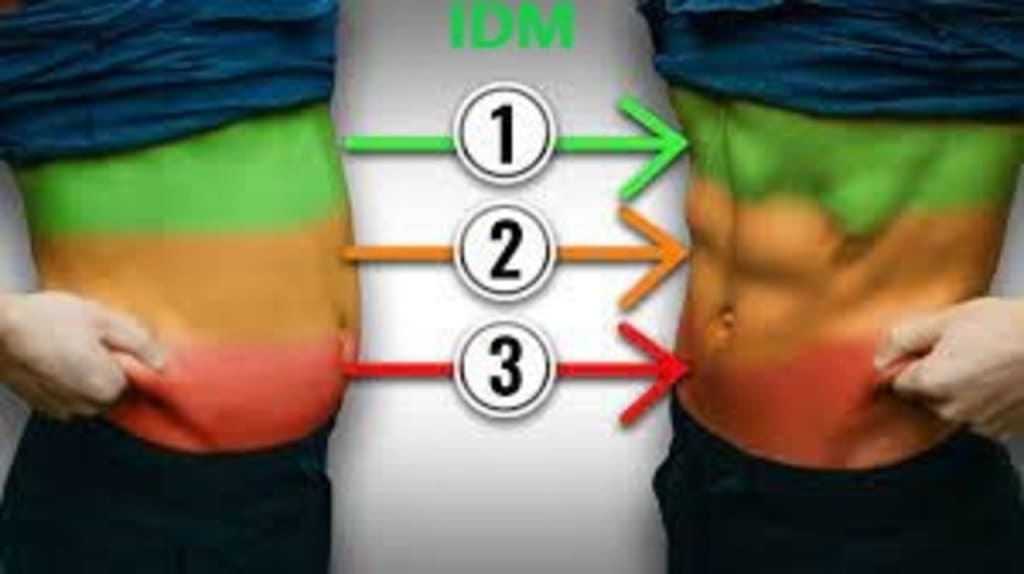
Belly fat is notorious for being easy to gain but incredibly challenging to lose. If you've been struggling to trim your waistline, you're not alone. The good news is that your diet holds the key to shedding fat from this stubborn area. However, knowing where to start and how to sustain progress can be overwhelming. In this comprehensive guide, we'll walk you through three stages of eating that will help you initiate and maintain fat loss until you successfully bid farewell to your belly fat for good.
Introduction
Losing belly fat is a common goal for many individuals, and it requires a holistic approach, with diet playing a central role. Let's delve into the three stages of eating that will lead you to a leaner midsection and provide insights into why these stages are necessary.
Stage 1: Kick-starting the fat loss process
To initiate the fat loss process and kick-start your journey to losing belly fat, there are several key factors to focus on: creating an energy deficit, calculating the appropriate calorie intake, incorporating low calorie density foods, and prioritizing protein intake to preserve muscle mass.
Creating an energy deficit
An energy deficit occurs when you consume fewer calories than your body burns. This deficit forces your body to tap into stored fat for energy, including belly fat. It is essential to create a moderate calorie deficit to ensure sustainable and healthy weight loss.
Calculating the appropriate calorie intake
To determine your calorie intake, you can multiply your body weight in pounds by a factor of 11 to 13. Taller individuals, younger individuals, or those with a more active lifestyle should aim for the higher end of this range. Shorter individuals, older individuals, or those with a less active lifestyle should aim for the lower end. This calculation provides a starting point, and adjustments can be made based on individual factors and progress.
Low calorie density foods
Choosing foods with low calorie density can help you feel satisfied while consuming fewer calories. These foods have a higher volume or weight but contain fewer calories. Examples include fruits, vegetables, whole grains, and lean proteins. By incorporating these foods into your diet, you can eat larger portions and still maintain a calorie deficit.
Role of protein in preserving muscle mass
During weight loss, there is a risk of losing muscle mass along with fat. Consuming an adequate amount of protein can help preserve muscle mass. Aim for a protein intake of around 0.8 to 1 gram per pound of body weight. Good sources of protein include lean meats, poultry, fish, eggs, dairy products, legumes, and tofu. Protein also aids in satiety, helping you feel fuller for longer and reducing cravings.
Stage 2: Going from 15% to 12% body fat
When aiming to go from 15% to 12% body fat, it's important to adopt a more precise and targeted approach. This involves tracking daily calorie intake, adjusting carbohydrate and fat intake, and effectively managing hunger levels and energy. Here are some key considerations for this stage:
Tracking daily calorie intake
To continue progressing towards your goal, it becomes crucial to monitor your calorie intake accurately. Use a food diary or a calorie tracking app to record everything you eat and drink. This will help you maintain an appropriate energy deficit. Remember to account for all sources of calories, including snacks, condiments, and beverages.
Adjusting carbohydrate and fat intake
Manipulating your macronutrient intake can be beneficial during this stage. Carbohydrates and fats are the primary sources of energy in your diet. Gradually reducing your carbohydrate intake while increasing your healthy fat intake can help optimize fat loss. Focus on consuming complex carbohydrates from whole grains, fruits, and vegetables, and choose healthy fats from sources like avocados, nuts, seeds, and olive oil.
Managing hunger levels and energy
As you decrease your calorie intake, it's common to experience increased hunger and potential dips in energy. To manage hunger, emphasize foods with high satiety levels, such as lean proteins, fiber-rich vegetables, and whole grains. Consider incorporating intermittent fasting or spreading your meals throughout the day to find an eating pattern that suits your preferences and helps control hunger.
Ensuring adequate protein intake
Protein continues to play a crucial role in this stage, helping to preserve muscle mass and promote satiety. Aim for a protein intake of around 0.8 to 1 gram per pound of body weight. Prioritize lean protein sources like chicken, turkey, fish, tofu, legumes, and low-fat dairy products. Consider spacing out your protein intake evenly throughout the day to optimize muscle protein synthesis.
Prioritizing nutrient-dense foods
While calorie intake is important, it's equally crucial to focus on the quality of the foods you consume. Emphasize nutrient-dense options like vegetables, fruits, whole grains, lean proteins, and healthy fats. These foods provide essential vitamins, minerals, and fiber, supporting overall health and well-being.
Stage 3: Reaching the final stage of fat loss
Reaching the final stage of fat loss requires increased discipline and sacrifice as you aim to achieve your desired body fat percentage. Here are some key considerations for this stage:
Increased discipline and sacrifice
As you get closer to your goal, it may require an even higher level of discipline and commitment. Stay consistent with your nutrition and exercise routine, and be mindful of your calorie intake. It's essential to stick to your plan and make any necessary adjustments to keep progressing.
Choosing high-volume foods
High-volume foods are low in calories but high in volume and fiber, helping you feel fuller and satisfied while consuming fewer calories. Include plenty of vegetables, fruits, and whole grains in your diet. These foods provide essential nutrients while keeping your overall calorie intake in check. Additionally, opt for lean protein sources to support muscle maintenance.
Dealing with social events and dining out
Social events and dining out can present challenges when trying to adhere to a fat loss plan. Plan ahead by checking restaurant menus beforehand and selecting healthier options. Be mindful of portion sizes and try to make nutritious choices while still enjoying the experience. You can also consider eating a small, balanced meal before attending an event to help control your appetite.
Evaluating the worth of further fat loss
As you approach your desired body fat percentage, it's important to evaluate whether further fat loss is necessary or beneficial for your overall well-being. Consider your body composition, energy levels, and how you feel both physically and mentally. It may be appropriate to shift your focus towards maintaining your current body fat level and focusing on other aspects of health and fitness, such as strength, endurance, or overall body composition.
Prioritizing sustainable habits
While reaching your final stage of fat loss requires dedication, it's important to prioritize sustainable habits. Establish healthy eating patterns and exercise routines that you can maintain long term. Sustainable habits will help you maintain your progress and prevent weight regain once you've achieved your desired body fat percentage.
Conclusion
In conclusion, achieving and maintaining a healthy physique is a journey that requires consistency and sustainability. Throughout the stages of fat loss, it's crucial to prioritize these two factors to ensure long-term success. By staying consistent with your nutrition and exercise habits, you can create positive changes in your body composition and overall health.
It's important to remember that progress takes time, and celebrating small victories along the way can be motivating. Recognize and appreciate the progress you make, whether it's reaching a specific body fat percentage, hitting a fitness milestone, or adopting healthier habits. Acknowledging your achievements will keep you motivated and focused on your long-term goals.
Additionally, maintaining a healthy physique is not just about reaching a certain body fat percentage but also about sustaining a balanced lifestyle. Embrace sustainable habits that you can continue for the long haul. Focus on nourishing your body with nutrient-dense foods, engaging in regular physical activity that you enjoy, and prioritizing rest and self-care.
Lastly, remember that a healthy physique looks different for everyone. It's important to set realistic goals and prioritize your overall well-being. Listen to your body, adjust your approach as needed, and seek support from healthcare professionals or qualified experts when necessary.
By emphasizing consistency, sustainability, and celebrating progress, you can achieve and maintain a healthy physique that supports your overall health and well-being.
FAQs
Can I lose belly fat without changing my diet?
While it's possible to lose some belly fat through exercise alone, changing your diet is typically essential for significant and sustainable belly fat loss. Diet plays a crucial role in creating an energy deficit, which is necessary for overall fat loss, including belly fat. Incorporating a balanced, calorie-controlled diet that includes nutrient-dense foods is recommended for optimal results.
How long does it take to lose belly fat?
The time it takes to lose belly fat can vary depending on various factors, including your current body composition, genetics, diet, exercise routine, and overall lifestyle. It's important to note that spot reduction, specifically targeting belly fat, is not possible. Fat loss occurs throughout the body as a whole, and the belly fat will gradually reduce as you lose overall body fat. Consistency with a healthy lifestyle, including a balanced diet and regular exercise, is key for achieving and maintaining fat loss over time.
Is spot reduction possible for belly fat?
No, spot reduction is not possible for belly fat. Targeting specific areas for fat loss, such as the belly, through exercises that work the muscles in that region will not result in localized fat loss. Instead, focus on overall fat loss by creating an energy deficit through a combination of a healthy diet and regular exercise. As you reduce overall body fat, including belly fat, your body will slim down proportionately.
Should I do cardio or strength training for fat loss?
Both cardio and strength training can contribute to fat loss, but they have different benefits. Cardio exercises, such as running, cycling, or swimming, increase your heart rate and burn calories during the workout. They can be effective for creating an energy deficit and promoting overall fat loss. Strength training, on the other hand, helps build muscle mass, which can increase your metabolic rate and promote fat burning even at rest. A combination of both cardio and strength training is generally recommended for optimal fat loss and overall health.
What are some effective exercises to target belly fat?
While you cannot spot reduce belly fat, incorporating exercises that engage your abdominal muscles can help strengthen and tone your core. Some effective exercises include planks, crunches, bicycle crunches, Russian twists, and mountain climbers. However, it's important to remember that these exercises alone will not lead to belly fat loss. They should be combined with a comprehensive fitness routine that includes cardio, strength training, and a healthy diet for overall fat loss and body composition improvement.
Remember, consulting with a healthcare professional or a qualified fitness expert can provide personalized guidance based on your specific needs and goals.
About the Creator
abdul hai
hey if you a find platform? there is all things so check it itsdailymagazines
Keep reading
More stories from writers in Lifehack and other communities.
Why Film Studios Are Desperate to Win Back Gen Z Audiences
When Barbie crossed $1.4 billion at the global box office in 2023, Hollywood finally stopped blaming Gen Z for “killing cinema” and started asking a harder question: what did this film get right that so many others didn’t?
By Quite Brilliant7 days ago in Lifehack




Comments (2)
Great article! Very informative!!
nice