
Canned Tuna Recall: What Shoppers Need to Know and Why It Matters
FDA Warnings Raise Concerns Over Food Safety and Pantry Staples

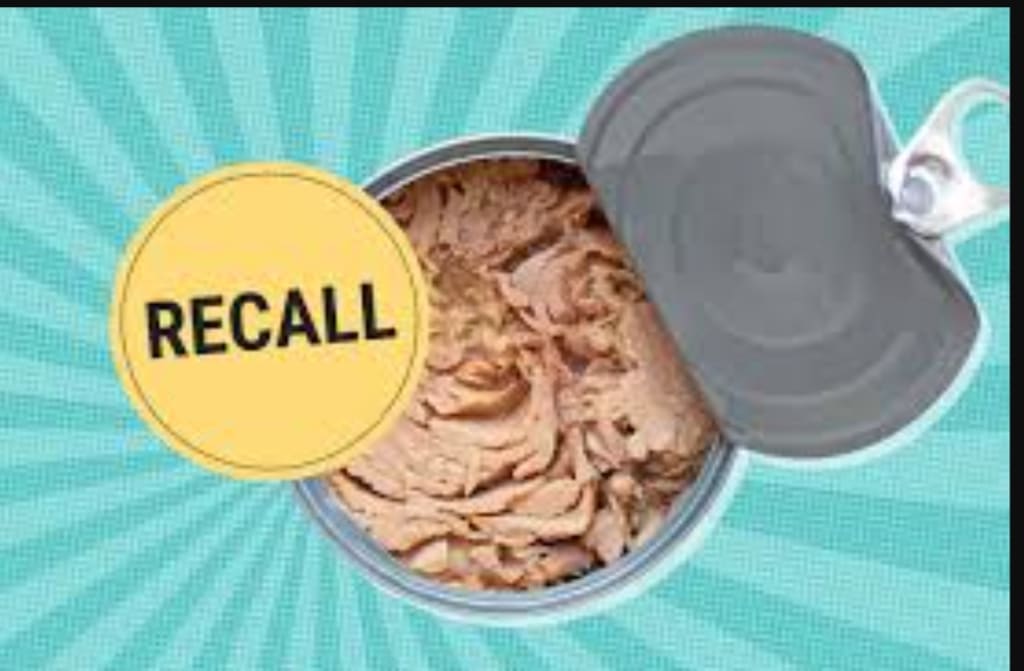
Canned tuna has long been a staple in American households. It’s affordable, convenient, and often considered a healthier protein option. But recent developments have put this everyday item under scrutiny. A canned tuna recall issued by federal regulators has raised alarms nationwide, prompting consumers to check their pantries and reconsider food safety practices.
While food recalls are not uncommon, this one stands out because it involves a potential risk of botulism, a rare but life-threatening illness. Even though no confirmed illnesses have been reported so far, health officials are urging caution — and for good reason.
Why the Canned Tuna Was Recalled
The recall centers on specific canned tuna products after manufacturers identified a defect in the packaging process. According to regulators, certain pull-tab lids may fail to seal properly, allowing bacteria to grow inside the can. This type of defect is especially dangerous because contaminated food may look, smell, and taste normal, making it nearly impossible to detect without laboratory testing.
The bacteria of concern, Clostridium botulinum, produces a toxin that can cause severe neurological symptoms. Because canned foods are sealed and stored for long periods, any failure in packaging significantly increases the risk.
What Is Botulism and Why Is It Serious?
Botulism is rare, but when it occurs, it can be deadly. The toxin attacks the nervous system and can lead to symptoms such as:
Difficulty swallowing or speaking
Muscle weakness
Blurred or double vision
Breathing problems
Paralysis
In severe cases, botulism can be fatal if not treated promptly. This is why health officials take even a potential exposure very seriously, issuing recalls before illnesses occur.
Products Affected by the Recall
The recall applies to specific canned tuna products, not all tuna on store shelves. Affected items are typically identified by:
Brand name
Can size
Lot codes or “best by” dates
Retail location
Consumers are strongly advised to check the labeling on their canned tuna carefully. Even if the can appears undamaged or unopened, it should not be consumed if it matches recalled information.
Retailers have removed affected products from shelves, but some cans may already be in homes, especially if purchased in bulk or stored for long periods.
What Consumers Should Do
If you believe you may have recalled canned tuna, experts recommend the following steps:
1. Do not eat the product, even if it appears safe.
2. Check product codes and dates against official recall notices.
3. Return the tuna to the store where it was purchased for a refund, or dispose of it safely.
4. Avoid opening suspect cans, as improper handling can increase exposure risk.
5. Seek medical attention immediately if symptoms such as weakness, dizziness, or trouble breathing appear after consumption.
Manufacturers involved in the recall are offering refunds or replacements, and some are providing retrieval kits to safely handle affected products.
How Recalls Like This Happen
Food recalls often result from quality control checks, consumer complaints, or internal inspections. In this case, the issue appears to stem from a manufacturing or sealing defect — a reminder of how even small production errors can create major health risks.
The canned food industry relies heavily on airtight sealing to ensure safety. When that process fails, bacteria can grow undetected. While rare, these incidents highlight the importance of strict manufacturing oversight and rapid regulatory response.
What This Means for Food Safety
This canned tuna recall underscores several important lessons for consumers:
No food product is completely risk-free, even trusted pantry staples.
Reading recall notices matters, especially for shelf-stable foods that may be stored for months or years.
Government oversight works best when consumers stay informed and act quickly when alerts are issued.
Food safety experts emphasize that recalls are preventive measures — not signs of widespread illness. Acting early helps prevent serious health consequences before they occur.
Should Consumers Stop Buying Canned Tuna?
Despite the recall, experts say there’s no reason to avoid canned tuna altogether. The recall affects specific batches, not the entire category. Tuna remains a nutritious source of protein, omega-3 fatty acids, and essential nutrients.
However, consumers should:
Buy from reputable retailers
Store canned foods properly
Discard damaged or bulging cans
Stay updated on food safety alerts
Being informed is the best defense against foodborne risks.
Conclusion
The canned tuna recall serves as a timely reminder that food safety begins at home. While the risk to the general public remains low, the potential severity of botulism makes caution essential. Checking your pantry, following recall instructions, and staying informed can protect you and your family from serious harm.
Recalls are not meant to cause panic — they are meant to prevent tragedy. By taking simple steps now, consumers can ensure that a convenient meal doesn’t turn into a health emergency.
Staying alert today could make all the difference tomorrow.
About the Creator
Asad Ali
I'm Asad Ali, a passionate blogger with 3 years of experience creating engaging and informative content across various niches. I specialize in crafting SEO-friendly articles that drive traffic and deliver value to readers.


Comments
There are no comments for this story
Be the first to respond and start the conversation.