
HHS Abruptly Cancels Then Restores Mental Health, Addiction Grants, Officials Say
Sudden funding reversal sparks confusion and concern among providers serving vulnerable communities

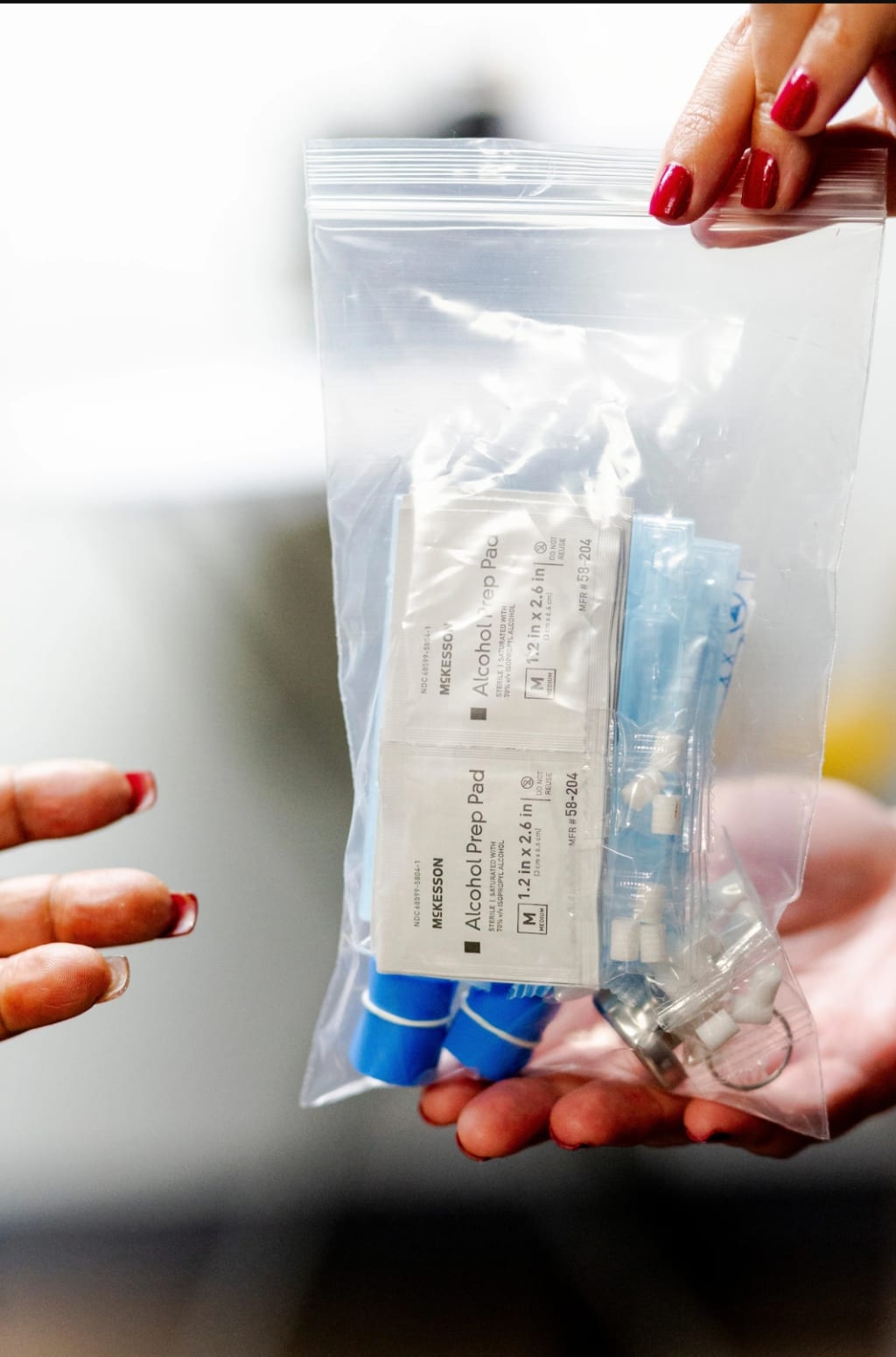
The U.S. Department of Health and Human Services (HHS) briefly canceled millions of dollars in mental health and addiction treatment grants before reversing course and restoring the funding, according to government officials. The sudden move sent shockwaves through healthcare providers, advocacy groups, and state agencies that rely on federal support to deliver critical services to vulnerable populations.
Although the grants were ultimately reinstated, the episode has raised serious questions about administrative oversight, communication failures, and the stability of funding for mental health and substance use programs at a time of growing national need.
What Happened
According to officials familiar with the situation, HHS notified grant recipients that their funding had been terminated with little warning. The affected grants supported a range of programs, including substance use disorder treatment, suicide prevention initiatives, crisis intervention services, and community mental health outreach.
The cancellations reportedly occurred due to what HHS later described as an internal administrative review, though initial explanations to grant recipients were limited. Within days, following widespread concern and internal reassessment, the department reversed its decision and restored the funding.
HHS officials acknowledged the disruption and said the cancellation notices were sent in error or without full consideration of the programs’ importance.
Immediate Impact on Providers
Even though the funding was reinstated, the abrupt cancellation caused confusion and anxiety among organizations that depend on federal grants to operate.
Many providers reported scrambling to reassess budgets, delay hiring decisions, or prepare for potential service cuts. Some smaller nonprofits said they feared they would have to suspend operations entirely if the funding loss had been permanent.
Mental health professionals emphasized that uncertainty in funding can be just as damaging as an actual cut, particularly for programs serving individuals with serious mental illness or substance use disorders who require consistent, uninterrupted care.
A Critical Moment for Mental Health Services
The incident comes at a time when the U.S. is facing record levels of mental health challenges and addiction-related deaths. Demand for counseling, crisis services, and addiction treatment has surged, placing unprecedented strain on already overburdened systems.
Federal grants play a crucial role in filling gaps where private insurance or state funding falls short, especially in rural areas and underserved communities. Advocacy groups warn that even temporary disruptions can undermine trust and stability in the care system.
Experts say continuity of funding is essential not only for patient care but also for retaining qualified staff in a workforce already facing shortages.
---
Reaction From Advocates and Lawmakers
Mental health advocates were quick to criticize the handling of the situation. Many said the episode reflects deeper systemic problems in how mental health and addiction services are funded and managed at the federal level.
Some lawmakers called for greater transparency and accountability, urging HHS to explain how such a significant administrative error occurred. They stressed that organizations delivering life-saving services should not be left guessing about whether funding will suddenly disappear.
Advocacy groups also warned that repeated funding uncertainty could discourage organizations from applying for federal grants in the future.
HHS Response and Explanation
In response to the backlash, HHS officials said the grants were restored after a review clarified their compliance with program requirements. The department emphasized its commitment to mental health and addiction services and acknowledged that communication with grant recipients should have been clearer.
HHS stated that steps are being taken to prevent similar incidents, including improved internal coordination and review processes before grant decisions are communicated externally.
While the department described the issue as a procedural error, critics argue that the lack of safeguards allowed an avoidable disruption to occur.
Broader Concerns About Funding Stability
The incident has reignited concerns about the fragility of funding for mental health and addiction programs. Many providers operate on thin margins and rely heavily on predictable federal support to plan staffing, facilities, and long-term treatment strategies.
Experts note that sudden funding reversals—even if corrected—can have lasting effects, including delayed services, staff burnout, and reduced confidence among patients who already face barriers to care.
The situation also highlights how administrative decisions at the federal level can quickly ripple down to local communities.
What This Means Going Forward
While the restoration of grants provides immediate relief, stakeholders are calling for reforms to ensure stability and clear communication. Some have proposed mandatory notice periods before grant cancellations or independent reviews to prevent abrupt funding disruptions.
Mental health leaders stress that reliable funding is not just a bureaucratic issue but a public health necessity. As the nation continues to grapple with mental health crises and addiction, consistent federal support remains critical.
Conclusion
The brief cancellation and restoration of mental health and addiction grants by HHS exposed vulnerabilities in the administration of critical public health funding. Although the grants were ultimately reinstated, the incident left providers shaken and highlighted the high stakes involved when funding decisions are mishandled.
As demand for mental health and substance use services continues to grow, ensuring stability, transparency, and accountability in federal funding processes will be essential. For the organizations on the front lines—and the individuals they serve—certainty can mean the difference between access to care and devastating disruption.
About the Creator
Asad Ali
I'm Asad Ali, a passionate blogger with 3 years of experience creating engaging and informative content across various niches. I specialize in crafting SEO-friendly articles that drive traffic and deliver value to readers.
How to Recover Your Instagram Account: The Complete 2026 Guide
Losing access to your Instagram account can feel like being locked out of a digital life. With billions of users and accounts increasingly targeted by hackers, knowing exactly how to react is crucial. Whether you’ve been hacked, forgotten your password, or had your account disabled, this comprehensive guide walks you through every official recovery method. We base our advice on Instagram's official help resources and cybersecurity experts to ensure you can regain access quickly and secure your profile for the future.
By Alexander Hoffmann3 days ago in Lifehack
My First Time Skiing and I Got Lost, Alone, in the French Alps
Looking back, I can trace some of my life’s biggest adventures to a simple action from my sister. She’d introduced me to Tommy (a very long time ago), a colleague of hers, who had overshared his penchant for Italian-looking women, and I ticked that box.
By Chantal Christie Weiss3 days ago in Humans


Comments
There are no comments for this story
Be the first to respond and start the conversation.