
Can I Start a Small Garden if I Live in an Apartment?
Blooming Oasis: Nurturing Nature in Apartment Living

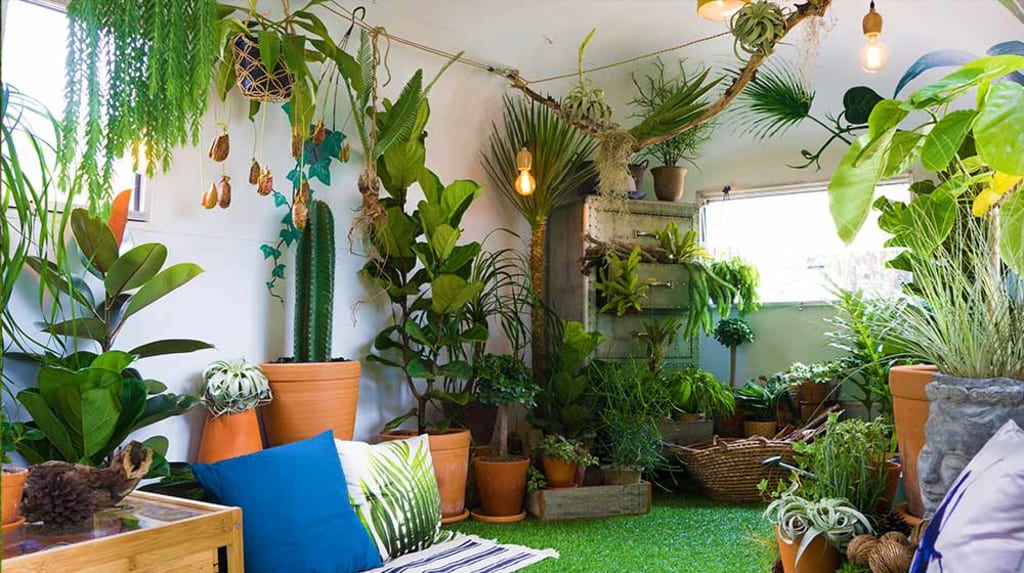
Living in an apartment doesn't mean you have to give up on your dreams of having a beautiful garden. With some creativity and careful planning, you can create a thriving garden space right in your apartment. In this article, we will explore the possibilities of apartment gardening and provide you with all the information you need to get started.
Can I start a small garden if I live in an apartment? The answer is a resounding yes! Living in an apartment doesn't mean you have to give up on your gardening dreams. With some creativity and careful planning, you can create a thriving garden space right in your apartment. In this article, we explore the possibilities of apartment gardening, from choosing the right plants and containers to maximizing vertical space and caring for your indoor garden. Discover the joys of harvesting your own herbs and vegetables, learn about community gardening, and reap the benefits of connecting with nature in the midst of urban living. Get ready to transform your apartment into a green oasis and embark on your exciting journey as an apartment gardener.
Gardening offers numerous benefits, regardless of the space you have. It allows you to connect with nature, reduce stress, and beautify your living environment. Growing your own plants also gives you the satisfaction of nurturing life and enjoying the fruits of your labor.
Challenges of Gardening in an Apartment
Apartment gardening presents unique challenges such as limited space, lack of outdoor areas, and limited sunlight exposure. However, with the right strategies and plant selection, these challenges can be overcome.
Choosing the Right Plants
Indoor vs. Outdoor Plants
When starting an apartment garden, you need to decide whether you want to grow indoor or outdoor plants. Indoor plants are suitable for apartments with limited outdoor space or no access to natural sunlight. Outdoor plants, on the other hand, require a balcony, patio, or rooftop to thrive.
Considerations for Apartment Gardening
Before choosing plants, consider factors such as sunlight availability, temperature, and humidity levels in your apartment. Assess how much time you can devote to gardening and whether you prefer low-maintenance or more demanding plants.
Container Gardening
Selecting Suitable Containers
Containers play a crucial role in apartment gardening. Choose containers that provide adequate space for root growth and have proper drainage to prevent waterlogging. Consider using a variety of container types, such as pots, hanging baskets, and vertical planters, to maximize your space.
Soil and Drainage
Use high-quality potting soil specifically formulated for container gardening. Good drainage is essential to prevent water accumulation and root rot. Add drainage holes to your containers if needed.
Sunlight and Watering
Assessing Sunlight Availability
Determine the amount of sunlight your apartment receives throughout the day. Different plants have varying light requirements, so choose plants accordingly. South-facing windows usually provide the most sunlight.
Watering Techniques
Proper watering is crucial for the health of your apartment garden. Monitor the moisture levels of the soil and water your plants accordingly. Avoid overwatering or underwatering by checking the soil's moisture with your finger or using moisture meters.
Vertical Gardening
Utilizing Vertical Space
Maximize your apartment's vertical space by implementing vertical gardening techniques. Vertical gardens are a great solution for small spaces and can be created using trellises, hanging planters, or wall-mounted planters. This allows you to grow more plants in a compact area.
Vertical Gardening Options
Consider plants that are well-suited for vertical gardening, such as vine plants, herbs, and compact vegetables. These plants can be trained to grow vertically and take up less horizontal space.
Herb and Vegetable Gardening
Growing Herbs Indoors
Herbs are excellent choices for apartment gardening. They are compact, versatile, and can be grown indoors. Popular herbs like basil, mint, rosemary, and parsley thrive in containers and provide fresh flavors for your culinary creations.
Vegetables Suitable for Apartment Gardening
Several vegetables are well-suited for apartment gardening. Compact varieties of tomatoes, peppers, lettuce, and radishes can be grown in containers. Consider dwarf or bush varieties that require less space but still produce a bountiful harvest.
Indoor Plant Care
Temperature and Humidity Control
Maintaining appropriate temperature and humidity levels is vital for the well-being of indoor plants. Most plants prefer temperatures between 60°F and 75°F (15°C to 24°C) and require humidity levels between 40% and 60%. Use humidifiers, pebble trays, or misting to increase humidity if needed.
Pruning and Fertilizing
Regular pruning helps maintain the shape and size of your indoor plants. Remove dead or yellowing leaves and trim excessive growth. Fertilize your plants with organic fertilizers to provide essential nutrients for healthy growth.
Creative Solutions
Hanging Planters
Hanging planters are an excellent way to add greenery to your apartment without taking up floor space. Hang them near windows or from ceilings to create a beautiful cascading effect. Choose trailing or hanging plants such as pathos, spider plants, or trailing petunias.
Window Boxes and Balcony Gardens
If you have a balcony or access to a communal rooftop, window boxes, and balcony gardens are ideal for apartment gardening. These spaces provide more room for larger containers and additional plant varieties. Grow colorful flowers, aromatic herbs, or even small vegetables in these outdoor areas.
Tools and Supplies
Essential Tools for Apartment Gardening
To maintain your apartment gaTools and Supplies
Essential Tools for Apartment Gardeningrden effectively, invest in some essential gardening tools. These may include a trowel, pruning shears, watering can, garden gloves, and a small hand rake. Having the right tools will make gardening tasks easier and more enjoyable.
Choosing Organic Fertilizers
Choose organic fertilizers to nourish your apartment garden naturally. Avoid synthetic chemicals and opt for compost, organic soil amendments, or organic liquid fertilizers. These options are safe for both the environment and your plants.
Pest Control
Common Pests in Apartment Gardens
Even apartment gardens can face pest issues. Common pests include aphids, spider mites, and fungus gnats. Monitor your plants regularly and take immediate action if you notice any pest infestations.
Natural Pest Control Methods
Prevent and control pests using natural methods to keep your apartment garden healthy. This may include introducing beneficial insects like ladybugs or using homemade organic sprays made from ingredients like neem oil or soap water.
Harvesting and Enjoying
Harvesting Techniques
Harvest your homegrown produce at the right time for optimal flavor and quality. Follow the specific harvesting guidelines for each plant, such as picking herbs when they reach their peak aroma or harvesting vegetables when they are fully ripe.
Cooking with Homegrown Produce
One of the joys of apartment gardening is being able to incorporate freshly harvested produce into your meals. Experiment with new recipes and savor the flavors of your homegrown herbs, vegetables, and fruits. Nothing compares to the satisfaction of enjoying the food you've nurtured from seed to plate.
Community Gardens
Joining Local Community Gardens
If you have limited space in your apartment or want to expand your gardening opportunities, consider joining a local community garden. These shared spaces allow you to connect with fellow gardeners, exchange knowledge and resources, and cultivate a wider variety of plants.
Sharing Resources and Knowledge
Community gardens foster a sense of camaraderie and provide opportunities to learn from experienced gardeners. You can share tools, seeds, and even tips on apartment gardening techniques. Embrace the community aspect of gardening and enjoy the collective wisdom that comes with it.
Benefits of Gardening
Stress Relief and Mental Well-being
Gardening has proven therapeutic benefits, promoting stress relief and mental well-being. Spending time with plants, connecting with nature, and engaging in the rhythmic tasks of caring for your garden can help reduce anxiety, improve mood, and increase overall happiness.
Connection to Nature
Apartment gardening allows you to establish a profound connection with nature, even in an urban environment. It brings the outdoors inside and gives you the opportunity to observe the growth cycles, appreciate the beauty of plants, and develop a greater understanding of the natural world.
In conclusion, apartment gardening opens up a world of possibilities for those living in small spaces. With the right plants, containers, and care, you can create a thriving garden oasis in your apartment. Embrace the challenges and joys of apartment gardening and enjoy the benefits of nurturing life and connecting with nature.
Frequently Asked Questions:
Can I grow fruits in an apartment garden?
Growing fruits in an apartment garden can be challenging due to limited space and specific requirements of fruit-bearing plants. However, some dwarf varieties or small fruiting trees can be grown in containers. Research the specific fruit varieties suitable for apartment gardening and ensure they receive adequate sunlight and care.
How do I handle limited space for gardening?
When dealing with limited space, focus on vertical gardening techniques and utilize hanging planters, wall-mounted containers, or trellises. Choose compact plant varieties, such as dwarf or bush varieties of vegetables and herbs. Maximizing the use of balconies, windowsills, or communal garden spaces can also help maximize your gardening area.
What are some low-maintenance plants for beginners?
If you're new to gardening or have limited time to dedicate to plant care, some low-maintenance plant options include pathos, snake plants, ZZ plants, succulents, and cacti. These plants require minimal watering and can thrive in various lighting conditions.
About the Creator
Bernardo Guevarra
A Profesional teacher in Mathematics who also loves writing. I want to share and publish some of my writngs to inspire other.
Keep reading
More stories from Bernardo Guevarra and writers in Lifehack and other communities.
How to Start Your Own Small Garden
Starting a small garden can be a fulfilling and rewarding experience. Whether you're interested in growing your own vegetables, cultivating beautiful flowers, or simply enjoying the therapeutic benefits of gardening, creating a small garden is an excellent way to connect with nature and enhance your surroundings. In this article, we will guide you through the process of starting your own small garden, providing valuable tips and insights along the way.
By Bernardo Guevarra3 years ago in Lifehack




Comments
There are no comments for this story
Be the first to respond and start the conversation.