
Boost Your Health: Simple Ways to Increase Your Daily Fibre Intake
Discover the Benefits and Easy Tips for a Healthier, Fibre-Rich Diet

Fibre might not be the trendiest nutrient, but it's undeniably one of the most essential for our overall health. Despite its low profile, fibre boasts a multitude of health benefits, from enhancing digestive health to reducing the risk of chronic diseases. Yet, according to the National Diet and Nutrition Survey (NDNS), more than 90 percent of UK adults fall short of their daily fibre needs. So, how can we bridge this fibre gap in our diets? Let’s dive into the world of fibre and discover why it's vital and how to incorporate more of it into our daily meals.
Why Is Fibre Important?
Fibre, also known as roughage, is a type of carbohydrate found naturally in plants. Unlike other carbohydrates, fibre isn't digested in the small intestine. Instead, it passes through the digestive system, providing a host of benefits along the way. From maintaining digestive health to reducing the risk of heart disease, stroke, type 2 diabetes, and bowel cancer, fibre is a powerhouse nutrient that supports overall well-being.
The Role of Fibre in Digestive Health
One of the most well-known benefits of fibre is its ability to keep our digestive system functioning smoothly. Fibre adds bulk to the stool, which helps prevent constipation and promotes regular bowel movements. Furthermore, a high-fibre diet can significantly increase the levels of good bacteria in the gut, which is crucial for maintaining a healthy digestive system.
Fibre and Chronic Disease Prevention
The benefits of fibre extend far beyond digestive health. Numerous studies have shown that a high-fibre diet can significantly reduce the risk of cardiovascular disease. Fibre helps lower cholesterol levels, which in turn can decrease the risk of heart disease and stroke. Additionally, fibre helps regulate blood sugar levels, reducing the risk of developing type 2 diabetes.
How Much Fibre Do We Need?
Understanding how much fibre we need is the first step towards improving our intake. According to the NHS, adults should aim for 30 grams of fibre per day. Unfortunately, most people consume only about 20 grams per day on average. Children need less fibre, with the recommended amounts varying by age:
- 2 to 5 year-olds: 15 grams per day
- 5 to 11 year-olds: 20 grams per day
- 11 to 16 year-olds: 25 grams per day
If you're not used to eating a lot of fibre, it's best to gradually increase your intake to avoid digestive discomfort.
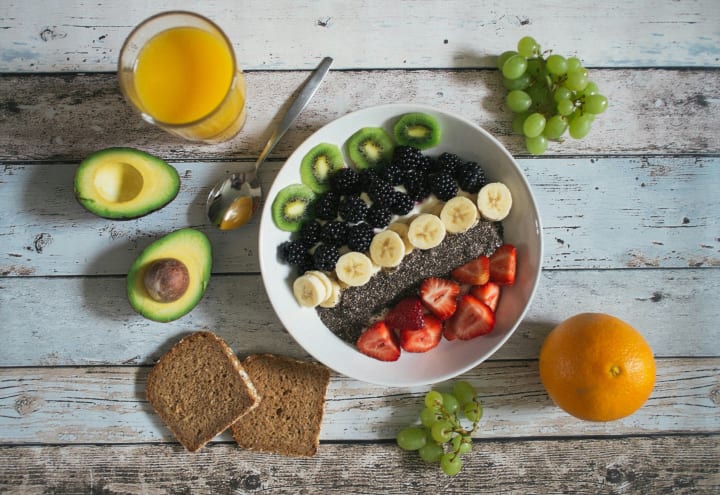
High-Fibre Foods to Add to Your Diet
Incorporating high-fibre foods into your diet is easier than you might think. Fibre is found in a variety of delicious and nutritious foods, including fruits, vegetables, whole grains, and legumes. Here are some of the best sources of fibre:
Fruits and Vegetables
Fruits and vegetables are excellent sources of fibre. Some of the highest-fibre fruits include raspberries, apples, and pears, while vegetables like carrots, cauliflower, and potatoes (with skin) are also rich in fibre.
Whole Grains
Whole grains are another great way to boost your fibre intake. Foods like oats, whole-grain bread, and rye bread are packed with fibre. They can be easily incorporated into meals, especially breakfast, to help you start the day with a fibre boost.
Legumes
Legumes, such as lentils, chickpeas, and black beans, are incredibly high in fibre. They can be added to salads, stews, and curries to significantly increase the fibre content of your meals.
Nuts and Seeds
Nuts and seeds are not only high in fibre but also provide healthy fats, making them a perfect snack. Chia seeds and flaxseeds, in particular, are fibre powerhouses that can be added to smoothies, yogurt, and baked goods.
Quick and easy recipes for you
Easy Ways to Increase Your Fibre Intake
Now that we know which foods are high in fibre, let's explore some simple ways to incorporate more of them into our diets.
Start Your Day with a High-Fibre Breakfast
Breakfast is an ideal opportunity to boost your fibre intake. Opt for high-fibre cereals like oats or whole-grain toast. You can also add fruits like berries or a sprinkle of chia seeds to your morning yogurt or smoothie.
Keep the Skin On
When eating fruits and vegetables, keep the skin on whenever possible. The skin is often where most of the fibre is found, so peeling them can significantly reduce their fibre content.
Snack Smart
Choose high-fibre snacks such as nuts, seeds, fresh fruit, and vegetable sticks. These snacks are not only rich in fibre but also provide essential nutrients and energy throughout the day.
Add Vegetables to Every Meal
Ensure that your meals include plenty of vegetables. You can add them to soups, stews, salads, and even casseroles. The more varied and colorful your vegetable intake, the better.
Incorporate Legumes
Add legumes like lentils, chickpeas, and black beans to your dishes. They can easily be included in salads, soups, stews, and curries, providing a significant fibre boost.
Increasing your fibre intake doesn't have to be a daunting task. By understanding the importance of fibre and incorporating high-fibre foods into your diet, you can reap the numerous health benefits it offers. From improving digestive health to reducing the risk of chronic diseases, fibre is an essential nutrient that deserves more attention. Start with small changes, and gradually increase your fibre intake to achieve a healthier, more balanced diet. Remember, your body will thank you for it.
About the Creator
Keep reading
More stories from writers in Lifehack and other communities.
Why Noise-Cancelling Headphones Are Essential for Remote Work
Remote work has changed the way people experience their workday. While working from home offers flexibility and comfort, it also introduces new challenges — one of the biggest being noise. From traffic sounds and construction to conversations at home, background noise can quickly disrupt focus and reduce productivity.
By Bahati Mulishia day ago in Lifehack
UNDER THE KNIFE
As I walked home from Haddon's house, one question echoed in my mind: What if I die under the operation? It was a strangely impersonal thought. I had no wife, no dependents, and few friends who would be deeply troubled by my death. This realization surprised and humbled me. Most of my friendships, I saw now, survived more out of habit than affection. The emotional urgency of life seemed to have drained from me, leaving behind a calm detachment that felt unnatural.
By Faisal Khanabout 5 hours ago in Lifehack



Comments
There are no comments for this story
Be the first to respond and start the conversation.