
An Overview of Tympanoplasty: Procedure, Recovery, and Benefits
Restoring Hearing and Repairing Eardrums: A Comprehensive Guide to Tympanoplasty

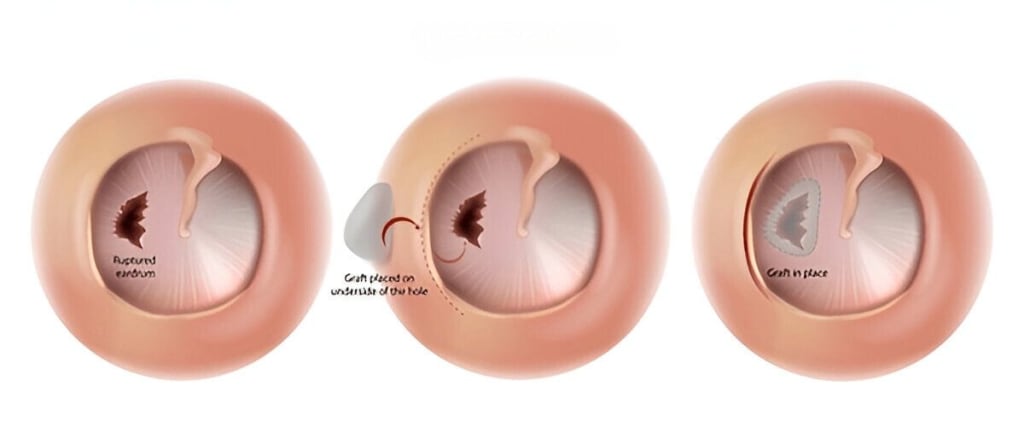
Tympanoplasty is performed to replace a punctured eardrum or correct issues with the middle ear. It helps restore hearing, keep ear infections at bay, and maintain the ear's health. By rebuilding the eardrum or reconstructing broken structures, tympanoplasty is a permanent treatment for people who suffer from pain, hearing loss, or recurrent infections caused by eardrum perforations.
This surgery is an integral part of otology, especially in patients with chronic otitis media or damage to the eardrum caused by trauma. It is effective not only for the short term but also for the patient’s long-term quality of life by restoring normal auditory function.
We’ll go over the entire tympanoplasty process, what to expect in recovery, and highlight the significant benefits of this transformative surgery.
What is Tympanoplasty?
Tympanoplasty is surgery to reshape the middle ear or repair a ruptured eardrum (tympanic membrane). The eardrum is a tissue between the ear canal and the middle ear. When a hole develops in this tissue, it results in a ruptured eardrum. This stops your eardrum from vibrating, affecting your hearing.
A typical list of conditions that need tympanoplasty includes chronic otitis media, traumatized eardrum perforations, or infections that cause long-term destruction of the eardrum or ossicles. [ref] These can cause loss of hearing, recurring infections, or pain, and surgical treatment is often required for a long-term cure and a better quality of life.
Your doctor will first prescribe drops or oral drugs to deal with a ruptured eardrum. If you don’t get well in 3-4 months, you may need tympanoplasty surgery. It is mostly used to replace lost hearing, fight chronic infections, and maintain overall ear health by correcting defects caused by injuries or diseases.
The Tympanoplasty Procedure
Tympanoplasty is a small surgical operation performed to heal the eardrum and restore the normal functioning of the ears. Knowing how tympanoplasty is done is all about learning about the pre-surgical screenings, surgical techniques, anesthesia, and critical post-operative steps. The following will walk you through everything that will transpire in every stage of tympanoplasty so that you can be prepared for this life-changing surgery.
Pre-Surgical Evaluation
Before undergoing tympanoplasty, patients must go through a comprehensive pre-surgical evaluation. The doctor will perform the following steps at this stage:
- The process begins with a medical history assessment.
- The doctor, or more precisely, an ENT specialist, will conduct a physical examination of your ears and neck. He/She will examine your middle ear more closely to pinpoint the location and size of your rupture and check for inflammation.
- Diagnostic tests such as audiometry are carried out to monitor the patient’s hearing and evaluate the degree of damage. [ref]
- In some cases, the doctor might ask you to get a CT scan to assess the condition of the middle ear and avoid potential complications. This evaluation ensures that the surgery addresses your specific problem.
- At the end, you might have to fill out a form that will answer questions about how a ruptured eardrum is affecting your quality of life.
Surgical Techniques
Several surgical methods are available for tympanoplasty, but the majority will depend on where and how severe the eardrum damage is. The two most common methods are:
- Postauricular approach - An incision is made behind the ear, improving access to the eardrum and middle ear structures.
- Transcanal procedure - It involves making an incision in the ear canal for minimally invasive treatment with some limitations depending on the problem being treated.
For tympanoplasty, the graft material might be fascia (a thin layer of connective tissue), cartilage, or other biomaterials selected according to strength and healing qualities. The two most common methods of graft application are:
- Overlay technique - The graft is applied over the perforation.
- Underlay technique - The graft is implanted below the eardrum for better stability and integration with surrounding tissue.
Anesthesia and Duration
Tympanoplasty can be done either under local anesthesia (in which the area around the ear is numb, but the patient is awake) or in general anesthesia (where the patient is completely unconscious).
The choice of anesthesia is done according to the extent of surgery and patient comfort. The process usually takes 1–3 hours, depending on the nature of the case.
Post-Surgical Steps
When the tympanoplasty is done, the ear canal is filled with sterile material to seal in the graft and capture fluid. Initial measures to prevent complications are in place, like instructing the patient where to place the head and never shifting pressure too quickly after surgery. These are necessary for wound healing and procedure success.
Recovery After Tympanoplasty
Immediate Post-Operative Care
After the procedure, patients might feel slight discomfort due to the incisions made. It can be managed with the help of medications (pain relievers and antibiotics to prevent infection). Typically, patients can go home on the same day of surgery, but some need to stay overnight for observation if they are under general anesthesia.
Dos and Don’ts
Dos:
- Rest for a few days before resuming your normal routine
- Protect your ears using cotton balls or earmuffs
Don’ts:
- Avoid swimming or bathing in water around the ear for at least a few weeks after the procedure
- Don’t do any strenuous activity like lifting heavy weights or vigorous exercise
- Avoid air travel in the early healing stage
- Don’t expose your ears to windy conditions or loud noises
Typical Recovery Timeline
The recovery process usually spans 1 to 3 months, with healing occurring in stages. Initial healing occurs within the first few weeks, and patients will have follow-up visits with their healthcare provider to monitor progress, check for infections, and remove any packing from the ear canal.
Full hearing restoration may take longer as the graft integrates with the surrounding tissues.
Possible Complications
Tympanoplasty is not dangerous, but infections, loss of hearing, or rejection of the grafts can happen. Patients are asked to follow their doctor’s post-operative protocol to keep up with appointments and notify the doctor of any concerning symptoms, such as increased pain or discharge from the ear, as soon as possible.
Benefits of Tympanoplasty
Tympanoplasty not only repairs the eardrum but also confers a wide array of significant benefits that can improve the patient’s quality of life.
- Restoration of hearing - The tympanoplasty procedure significantly improves your auditory function, allowing you to participate in conversations and daily activities.
- Prevention of chronic infections - Tympanoplasty puts an end to recurring ear infections, reducing daily discomfort and enhancing overall ear health.
- Improved quality of life - You get the gift of enhanced communication, which fosters greater social interactions, contributing to overall confidence.
- Durable outcomes - Tympanoplasty ensures long-term stability of the ruptured eardrum, resulting in long-lasting benefits for ear health.
Conclusion
Tympanoplasty is a lifesaving procedure in people with eardrum perforations or persistent middle ear conditions intended to improve hearing and avoid infection in the future. [ref]
About the Creator
Amit Vats
Amit is an excellent writer and has accomplished greater heights with sound knowledge on digital marketing. His articles are focused on technology, healthcare and creative arts and have been read by people around the world.
Top 10 Questions to Ask Every Perth NDIS Service Before You Engage Them
Choosing the right National Disability Insurance Scheme (NDIS) provider shapes the quality of care, independence, and outcomes a participant experiences. In Perth, families and participants face a growing number of service options, which makes informed decision-making essential.
By Anshul Vijay3 days ago in Lifehack




Comments
There are no comments for this story
Be the first to respond and start the conversation.