
Eye Care Tips for Optimal Vision
Essential Habits and Practices for Maintaining Healthy Eyes

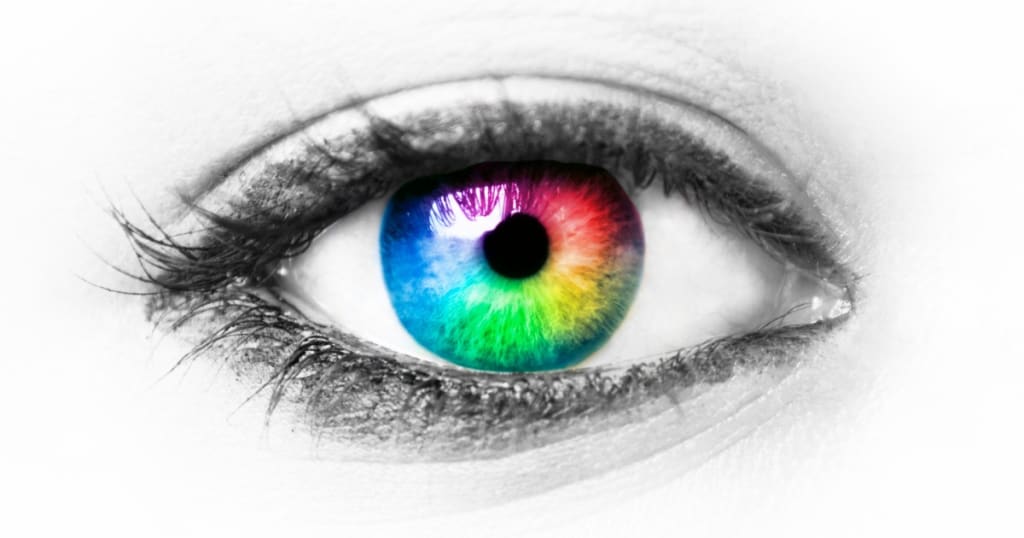
Eye care is of utmost importance for adults as it plays a crucial role in maintaining overall eye health and well-being. Regular eye care ensures early detection and management of potential eye problems, preventing them from worsening and causing irreversible damage.
As adults age, the risk of developing age-related eye conditions such as cataracts, glaucoma and macular degeneration increases. Routine eye examinations by optometrists or ophthalmologists help in identifying these conditions early, allowing for timely intervention and treatment. Early detection can significantly improve the chances of preserving vision and preventing severe vision loss.
Eye care tips go beyond just vision correction. It includes practices such as wearing protective eyewear during activities that pose potential risks to the eyes thereby reducing the likelihood of eye injuries.
Regular eye check-ups also provide an opportunity to assess the need for prescription glasses or contact lenses, ensuring clear and comfortable vision. Eye care tips are not limited to the eyes themselves. It can also contribute to the early detection of various systemic health conditions.
An eye exam can reveal signs of diabetes, high blood pressure and other health issues that manifest in the eyes before showing other symptoms. Identifying these conditions early allows for timely medical attention, which can help prevent complications and improve overall health outcomes.
Signs of Eye Problems
Blurry vision:
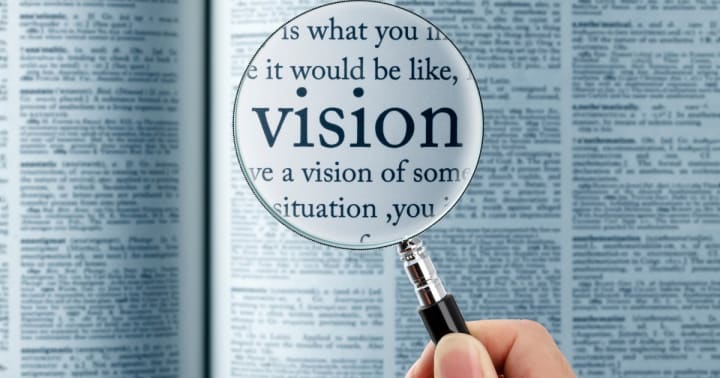
One of the most common signs is blurry vision where objects appear unclear or out of focus. This may indicate refractive errors such as nearsightedness, farsightedness or astigmatism, or it could be a symptom of more severe conditions like cataracts or glaucoma.
Redness and Irritation:
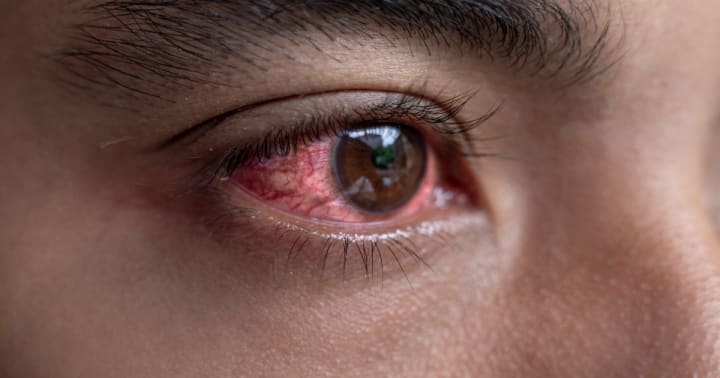
Eye redness, itchiness or excessive tearing are other noticeable signs that something might be amiss. These symptoms can indicate eye infections, allergies or inflammation.
Dryness and discomfort:

Persistent dryness and discomfort in the eyes are also indicators of potential eye problems. Population perceived eye strain due to digital devices usage during COVID-19 pandemic. Dry eyes can lead to irritation, a gritty sensation and increased sensitivity to light, which may require intervention or lifestyle adjustments to manage effectively.
Other signs: Sudden flashes of light, floating spots or a shadow in the field of vision could be warning signs of retinal detachment or other serious conditions requiring immediate medical attention. Experiencing frequent headaches, especially after prolonged screen time or reading, might be a sign of eye strain or the need for corrective lenses.
Lastly, changes in the appearance of the eyes, such as the development of a new lump or swelling, could indicate eye infections or other eye disorders.
Eye Care Tips
Eat a Balanced Diet:

Aim to consume at least 5 servings of fruits and vegetables daily. These nutrient-rich foods provide antioxidants like Vitamins C and E, which are beneficial for eye health. Strategies to tackle the global burden of diabetic retinopathy: from epidemiology to artificial intelligence.
Avoid Smoking:
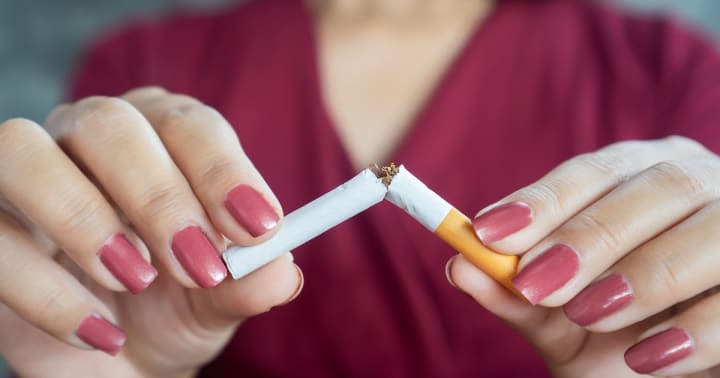
Smoking is linked to an increased risk of age-related macular degeneration, cataracts and other eye conditions. Quitting smoking can have significant benefits for your overall health, including your eyes.
Take Regular Eye Breaks:

If your work or activities involve prolonged computer use or other tasks that strain your eyes, take regular breaks to rest your eyes and reduce eye fatigue.
Wear Your Glasses:
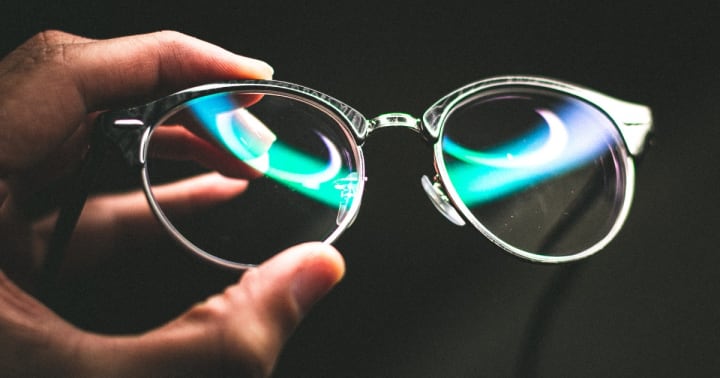
Ensure you wear your prescription glasses as recommended by your eye care professional. Neglecting to wear glasses, especially for those with low to moderate vision loss, can strain the eyes and worsen vision problems.
Protect Your Eyes Outdoors:

Wear sunglasses that provide protection against UVA and UVB rays to shield your eyes from harmful sun exposure. Even on cloudy days, UV rays can still be damaging to the eyes.
Proper Contact Lens Care:

If you wear contact lenses, closely follow the recommended cleaning and wearing schedule to reduce the risk of eye infections and irritation.
Know Your Family's Eye History:
Be aware of any eye conditions or diseases that run in your family and share this information with your healthcare providers. Knowing your family's eye history can help identify potential risks and guide preventive measures.
Manage Chronic Conditions:
If you have conditions like high blood pressure, high cholesterol or diabetes, it is crucial to keep them under control. These conditions can impact eye health and increase the risk of vision problems if not managed properly.
By following these practices, you can proactively protect your eye health and reduce the risk of vision problems in the future. Regular eye check-ups with an optometrist or ophthalmologist are also essential to detect any early signs of eye diseases and ensure timely intervention if needed.
You must always remember that taking care of your eyes is an integral part of maintaining your overall health and well-being.
About the Creator
Amit Vats
Amit is an excellent writer and has accomplished greater heights with sound knowledge on digital marketing. His articles are focused on technology, healthcare and creative arts and have been read by people around the world.
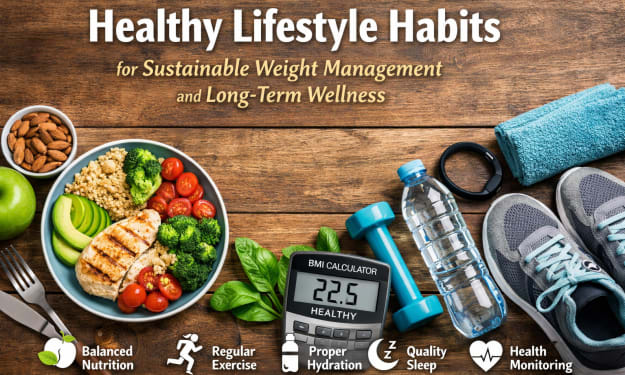
Healthy Lifestyle Habits for Sustainable Weight Management
Living a healthy lifestyle has become a challenge for many people today. Modern routines often include long hours of sitting, irregular eating habits, fast food consumption, and limited physical activity. These habits can slowly affect the body and make it difficult to maintain a healthy weight.
By Backlinks Cart6 days ago in Lifehack
I Tried to Become the Perfect Person — It Destroyed Me
I Tried to Become the Perfect Person — It Destroyed Me For most of my life, I believed that if I could just become perfect, everything would finally fall into place. People would admire me. Opportunities would appear. I would feel proud of who I was. And most importantly, I thought I would finally feel enough. That belief quietly shaped almost every decision I made. It started small, the way these things usually do. As a child, I learned very quickly that praise came when I did things right. Good grades meant smiles from teachers. Being polite meant approval from adults. Staying quiet and responsible meant I was called “mature for my age.” At first, it felt good. Being the “good one” made life easier. But over time, something changed. I stopped doing things because I enjoyed them. I started doing them because they made me look good. I studied harder than everyone else, not because I loved learning, but because failure felt unbearable. I carefully chose my words in conversations so I wouldn’t sound foolish. I avoided risks because mistakes were embarrassing, and embarrassment felt like proof that I wasn’t good enough. Slowly, my life became less about living and more about maintaining an image. The image of the perfect person. From the outside, things looked fine. Maybe even impressive. I was responsible. Organized. Reliable. The person people trusted. The person teachers praised. The person friends came to for advice. But inside, something felt wrong. Every success came with relief rather than happiness. I wasn’t proud of my achievements. I was simply relieved that I hadn’t failed. And every mistake felt enormous. A small error could ruin my entire day. A bad grade, a misunderstanding, a moment where I said the wrong thing — these moments stayed in my mind for weeks. I replayed them endlessly, wondering how a “perfect” person could have messed up. The strange thing about perfection is that the closer you try to get to it, the more impossible it becomes. Because perfection doesn’t have a finish line. There is always another flaw to fix. Another skill to master. Another expectation to meet. I kept raising the standard for myself. If I succeeded once, the next time had to be even better. If someone praised me, I had to prove they were right. If someone doubted me, I had to prove them wrong. There was never a moment where I could simply exist and feel satisfied. Eventually, the pressure started to crack something inside me. I became exhausted in a way sleep couldn’t fix. Not physical exhaustion — emotional exhaustion. The kind that makes even simple tasks feel heavy. I remember one night sitting alone, staring at my desk, surrounded by unfinished work. My mind was full of thoughts about everything I hadn’t done perfectly. And suddenly, I realized something terrifying. I didn’t know who I was anymore. I knew the version of myself that performed well. The version that impressed people. The version that avoided mistakes. But the real person underneath all of that? I had no idea. For years, I had been building a person that looked perfect on the outside, while quietly ignoring what I actually felt, wanted, or needed. The realization hit me like a quiet collapse. I had spent so much energy trying to become the ideal version of myself that I had forgotten how to be human. And humans are not perfect. We make mistakes. We change our minds. We fail. We learn slowly. Sometimes we disappoint people. Sometimes we disappoint ourselves. For a long time, I thought those things were weaknesses. Now I understand they are simply part of being alive. The day I stopped trying to be perfect wasn’t dramatic. There was no sudden transformation, no inspirational moment where everything changed. It was smaller than that. I allowed myself to fail at something and didn’t punish myself for it. I spoke honestly even when I worried someone might disagree. I rested without feeling like I had to earn it. At first, it felt uncomfortable — almost wrong. Perfection had been my identity for so long that letting go of it felt like losing control. But slowly, something unexpected happened. Life became lighter. I laughed more easily. I felt less afraid of trying new things. Conversations became more genuine because I wasn’t constantly editing myself. I also started noticing something surprising about other people. No one was actually expecting perfection. Most people were just trying to figure things out, just like I was. The pressure I had lived under for years wasn’t coming from the world as much as it was coming from inside my own mind. That realization changed everything. I’m still learning how to live without chasing perfection. Some days the old habits return. I still feel the urge to prove myself, to control every outcome, to avoid every possible mistake. But now I recognize those thoughts for what they are — echoes of an old belief. A belief that said my worth depended on how flawless I could appear. It took me years to understand that perfection isn’t strength. In many ways, it’s fear disguised as ambition. The fear of rejection. The fear of failure. The fear of not being enough. Ironically, the moment I stopped trying to be perfect was the moment I started becoming more real. And for the first time in a long time, that felt like enough.Start writing...
By Faizan Malik2 days ago in Lifehack



Comments
There are no comments for this story
Be the first to respond and start the conversation.