
8 Best Liver Detox Herbs
Natural Tea Ingredients for Optimal Cleansing

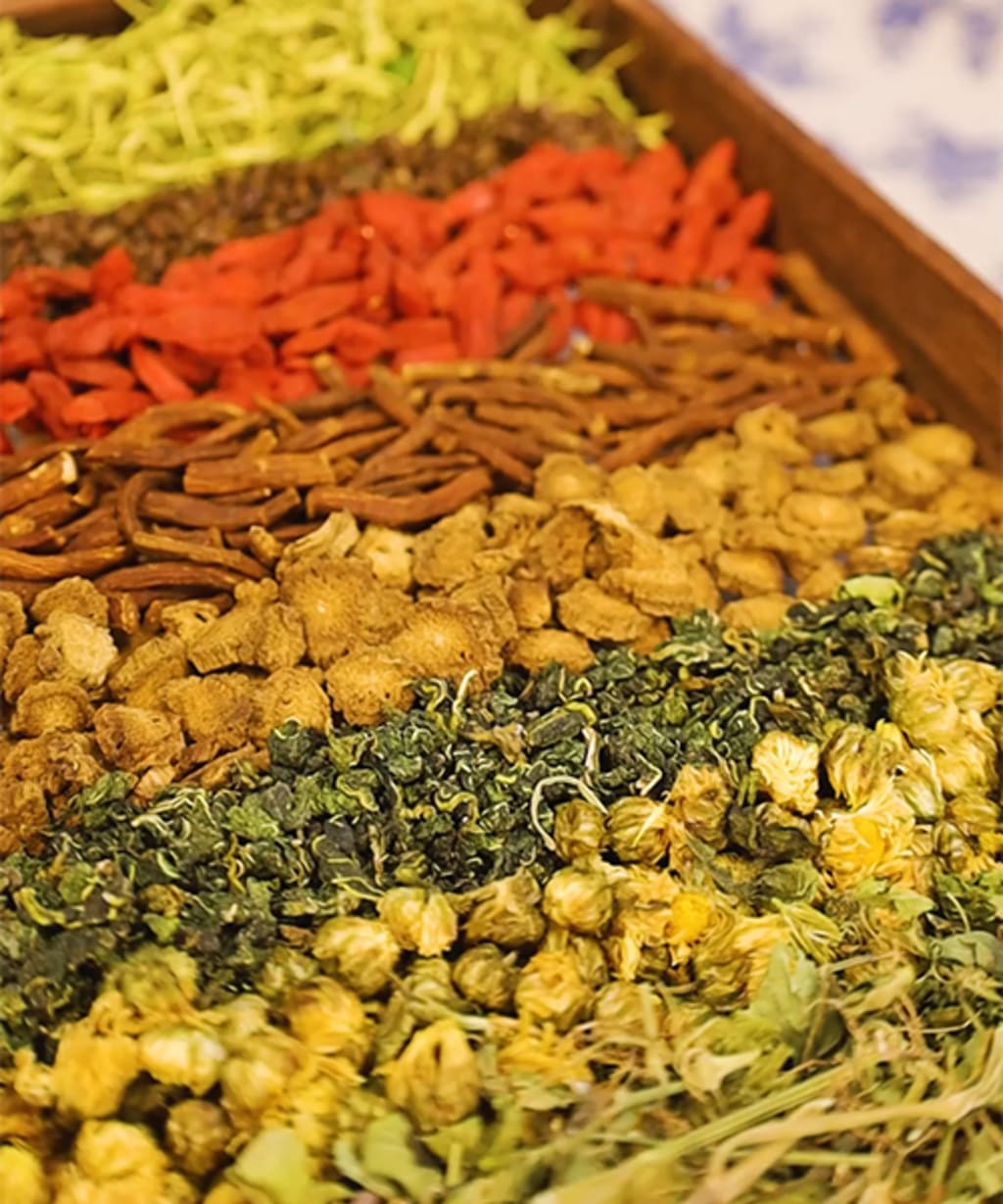
The liver is our body's primary detoxification organ, processing everything from medications to environmental toxins and metabolic waste. With modern lifestyles exposing us to numerous potential toxins, supporting liver health has become increasingly important.
Herbal teas offer a gentle, natural approach to promoting liver function and overall wellness. This article explores eight evidence-backed herbs that may support your liver's natural detoxification processes.
Understanding Liver Health
Your liver performs over 500 vital functions, including filtering blood, metabolizing drugs, producing bile for fat digestion, and removing toxins.
When overloaded, the liver can become stressed, potentially leading to various health issues. While no herb can "cure" liver disease, certain natural ingredients may support liver function through their antioxidant, anti-inflammatory, and metabolic properties.
The Science of Herbal Support for Liver Health
Let's explore eight evidence-backed herbs that research suggests may benefit liver health:
Milk Thistle
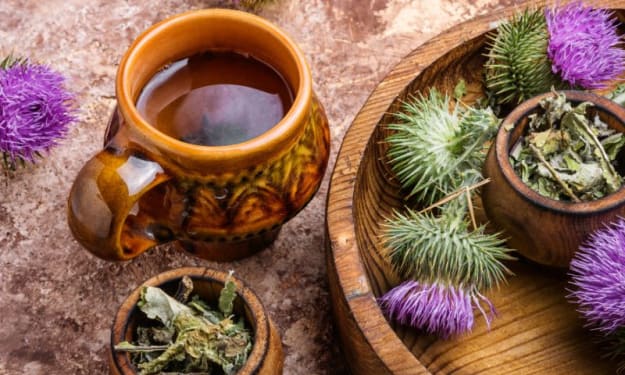
Milk thistle (Silybum marianum) is perhaps the most well-studied liver herb, prized for its active component silymarin, a mixture of flavonolignans with powerful antioxidant properties. Silymarin has been extensively researched for liver protection and regeneration.
Scientific evidence shows milk thistle's hepatoprotective effects work through multiple mechanisms. A comprehensive review highlighted silymarin's ability to inhibit oxidative stress, NF-κB signaling, and TNF-α production while stimulating ribosomal RNA synthesis for hepatocyte repair.
Clinical studies have demonstrated potential benefits in alcoholic liver disease, non-alcoholic fatty liver disease (NAFLD), and even as a supportive therapy in hepatitis.
- Antioxidant protection against free radicals
- Anti-inflammatory effects that may reduce liver inflammation
- Potential to stimulate liver cell regeneration
- May improve insulin sensitivity in NAFLD patients
SUMMARY
Milk thistle contains silymarin, which has shown promising results for supporting liver health through antioxidant, anti-inflammatory, and regenerative properties. While more large-scale clinical trials are needed, preliminary evidence suggests benefits for various liver conditions.
Dandelion Root
Dandelion (Taraxacum officinale) root has been traditionally used for liver and digestive support for centuries. Modern research is beginning to validate these traditional applications.
Studies have demonstrated dandelion root's promising hepatoprotective effects. In one study, dandelion root extract showed significant protection against carbon tetrachloride-induced liver cirrhosis in rats by reducing liver enzymes and preventing DNA fragmentation.
Another study found that dandelion extract attenuated alcohol-induced oxidative stress in liver cells, preserving glutathione levels and reducing lipid peroxidation markers.
- Powerful antioxidant properties
- May help normalize liver enzyme levels
- Supports bile production and flow
- Contains beneficial polysaccharides with liver-protective effects
SUMMARY
Dandelion root appears to support liver function through antioxidant action, reduced inflammation, and protection against toxin-induced damage. While human studies are limited, animal research shows promising hepatoprotective effects.
Burdock Root
Burdock root (Arctium lappa) has been used in traditional medicine systems for detoxification and as a blood purifier. Recent research has begun to investigate its specific effects on liver health and metabolism.
A study examining burdock root's effect on body weight management found that its ethanol extract, particularly the n-hexane fraction, activated AMP-activated protein kinase (AMPK) in human liver cells. This activation led to reduced fatty acid synthesis and decreased lipid accumulation, suggesting potential benefits for fatty liver conditions. The study identified α-linolenic acid, methyl α-linolenate, and methyl oleate as active compounds responsible for these effects.
- May help regulate lipid metabolism in the liver
- Contains compounds that can activate AMPK, a key regulator of energy metabolism
- Provides antioxidant support
- May help reduce fat accumulation in liver cells
SUMMARY
Burdock root contains compounds that may help regulate lipid metabolism and reduce fat accumulation in the liver. While more human studies are needed, preliminary research suggests potential benefits for metabolic liver conditions.
Cassia Seed
Cassia seeds (from Cassia tora or Cassia obtusifolia) have been used in traditional Chinese medicine for liver health and vision improvement. Modern research shows they may indeed offer hepatoprotective benefits.
Research demonstrates cassia seed extract's effectiveness against both alcohol and high-fat diet-induced liver damage. One study found that cassia tora seed extract significantly reduced hepatic lipid accumulation in rats on a high-fat diet by activating AMPK and promoting fatty acid oxidation. Another study showed cassia seed ethanol extract protected against carbon tetrachloride-induced liver injury by enhancing antioxidant capacity and modulating CYP2E1-related metabolic pathways.
- May help regulate lipid metabolism
- Offers antioxidant protection
- Supports natural detoxification pathways
- Could help reduce fat accumulation in the liver
SUMMARY
Cassia seed appears to support liver health through multiple mechanisms, including lipid regulation, antioxidant protection, and metabolic modulation. Research in animal models shows promise, though more human studies are needed.
Goji Berry
Goji berries (Lycium barbarum) have gained popularity as a superfood but have long been used in traditional Chinese medicine for liver and kidney support.
Recent research indicates goji berries may protect liver health through gut microbiome modulation. A study found that dietary goji supplementation significantly reduced markers of acute alcohol-induced liver injury in mice while maintaining intestinal barrier integrity. The berries enriched beneficial butyrate-producing bacteria like Akkermansia, which correlated with improved glutathione levels and reduced liver damage markers. Importantly, the hepatoprotective effects were transferable through fecal microbiota transplantation, confirming the gut-liver axis involvement.
- Modulates gut microbiota to protect liver health
- May maintain intestinal barrier integrity
- Enhances glutathione levels, a key liver antioxidant
- Could reduce alcohol-induced liver inflammation
SUMMARY
Goji berries may support liver health primarily by modulating the gut microbiome and enhancing antioxidant defenses. While human clinical trials are still needed, animal studies show promising results for liver protection.
Chrysanthemum
Chrysanthemum flowers (Chrysanthemum morifolium) are popular in traditional Chinese medicine for "cooling" the liver and improving vision. Modern research is beginning to validate their hepatoprotective effects.
Studies have demonstrated chrysanthemum extract's benefits for fatty liver conditions. Research found that chrysanthemum extract reduced hepatic lipid accumulation in mice with high-fat milk-induced fatty liver by upregulating peroxisome proliferator-activated receptor alpha (PPARα) expression. This led to suppressed lipid synthesis and enhanced lipid breakdown. Another comparative study showed chrysanthemum flowers alleviated hepatic inflammation and oxidative stress while enhancing lipid metabolism via PI3K-Akt signaling.
- May help regulate lipid metabolism in the liver
- Offers anti-inflammatory benefits
- Contains compounds that activate PPARα, key for fatty acid metabolism
- Could reduce liver sinusoid congestion and hepatocyte swelling
SUMMARY
Chrysanthemum appears to support liver health primarily by regulating lipid metabolism and reducing inflammation. Studies in animal models show potential benefits for fatty liver conditions, though more human research is needed.
Mulberry Leaf
Mulberry leaves (Morus alba) have been used in traditional medicine for blood sugar control and liver support. Recent research supports their hepatoprotective properties.
A study investigating mulberry leaf extract against alcohol-induced liver damage found it reduced serum acetaldehyde levels (a toxic alcohol metabolite) and increased aldehyde dehydrogenase activity, which helps detoxify acetaldehyde. The extract also restored antioxidant enzyme activities disrupted by alcohol exposure and attenuated liver inflammation by suppressing pro-inflammatory markers. Importantly, it inhibited the EGFR/STAT3/iNOS pathway, reducing oxidative stress and apoptosis in liver cells.
- Helps detoxify acetaldehyde from alcohol metabolism
- Enhances antioxidant defenses
- Reduces liver inflammation
- May protect against alcohol-induced liver cell death
SUMMARY
Mulberry leaf appears particularly beneficial for alcohol-related liver stress by enhancing detoxification pathways and reducing inflammation. Though more human studies are needed, the preliminary research is promising.
Honeysuckle
Honeysuckle flowers (Lonicera japonica Flos) have been traditionally used for their anti-inflammatory and detoxifying properties in Eastern medicine.
Research has investigated honeysuckle's mechanisms in treating non-alcoholic fatty liver disease (NAFLD). A study combining network pharmacology, molecular docking, and experimental validation identified 17 bioactive components in honeysuckle that target NAFLD-related pathways involving apoptosis, inflammation, and lipid metabolism. Laboratory experiments confirmed the extract reduced lipid accumulation and lowered ALT and AST levels (markers of liver injury) in liver cells. It also downregulated TNF-α and CASP3 expression, suggesting anti-inflammatory and anti-apoptotic effects.
- May reduce lipid accumulation in liver cells
- Helps lower markers of liver injury
- Offers anti-inflammatory benefits
- Could protect against cell death in fatty liver conditions
SUMMARY
Honeysuckle shows potential for supporting liver health through anti-inflammatory and anti-apoptotic mechanisms. While more comprehensive human studies are needed, preliminary research suggests benefits for fatty liver conditions.
How to Incorporate These Herbs
- Heat 1-2 cups of water to just below boiling.
- Combine the herbs in a teapot or infuser.
- Pour hot water over the herbs.
- Steep for 5-7 minutes.
- Strain the tea and enjoy warm.
- Enjoy it!
If the process seems too tedious, you can opt for a ready-made solution. Vital Tea's Liver Detox Tea conveniently incorporates all these herbs, sparing you the hassle of sourcing each one individually.
The Bottom Line
The herbs discussed in this article show promising potential for supporting liver health through various mechanisms, including antioxidant protection, reduced inflammation, enhanced detoxification pathways, and improved metabolic function. However, it's important to note several limitations:
- Most research has been conducted in laboratory or animal studies, with limited large-scale human trials
- Individual responses may vary based on overall health status
- These herbs should supplement, not replace, healthy lifestyle habits
- People with existing liver conditions should consult healthcare providers before using herbal remedies
Remember that the most effective liver support comes from a comprehensive approach: staying well-hydrated, limiting alcohol, maintaining a healthy weight, exercising regularly, and eating a nutrient-rich diet. While these herbal teas may offer additional support, they work best as part of an overall wellness strategy.
Note: This article is for informational purposes only and should not be considered medical advice. Always consult with a healthcare professional before starting any new supplement regimen, especially if you have existing health conditions or take medications.
About the Creator
Vital Tea
Herbal teas for modern wellness. ✨
We offer delicious herbal tea to support your health goals. Naturally caffeine-free and packed with goodness.
Explore Vital Tea today!
AI Music Video Creation in 2026: A Practical Guide to Modern Visual Production Tools
Artificial intelligence continues to reshape creative production across the music industry. In 2026, AI music video generators are no longer experimental tools—they have become essential resources for independent musicians, marketing teams, and digital creators seeking faster and more scalable visual production.
By Beat Viz ai3 days ago in Lifehack
The Missing Ingredient
The first time I saw her, she was wearing a velvety, red ribbon in her hair. She carried a small leather backpack everywhere. She searched the forest by turning stones, checking beneath shrubs, listening to the wind as if it might carry an answer.
By Imola Tóth2 days ago in Fiction



Comments
There are no comments for this story
Be the first to respond and start the conversation.