
How Herbs Can Help You Detox Naturally
The Ancient Wisdom of Liver Support

Your liver works around the clock, processing everything from your morning coffee to late-night snacks. This remarkable organ filters toxins, produces bile, and keeps your metabolism humming. But what happens when it gets overwhelmed? If you're wondering whether your liver might need extra support, recognizing the warning signs can help you take action before problems develop.
Ancient healers understood the liver's importance thousands of years before modern science caught up. From Greek physicians to Chinese medicine practitioners, traditional cultures developed sophisticated approaches to support liver health. Today, research is finally catching up with this ancient wisdom — and the results might surprise you.
The Science Behind Traditional Liver Herbs
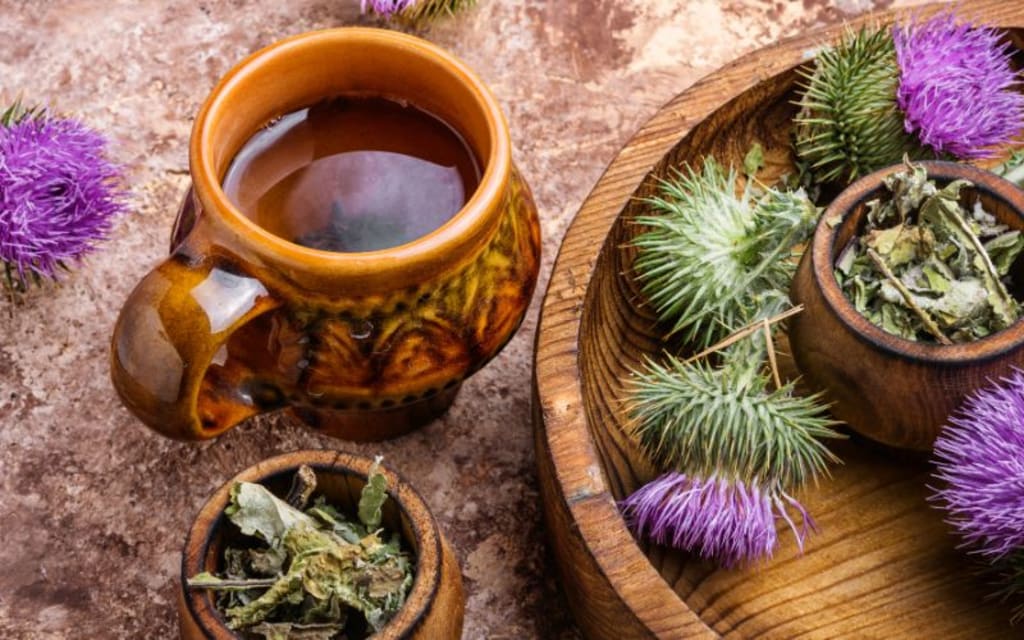
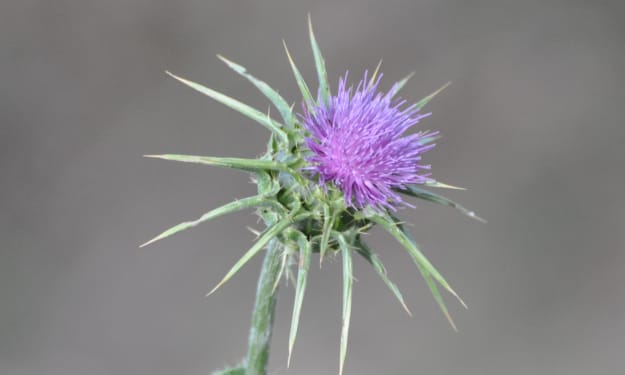
Milk thistle stands as the champion of liver-supporting herbs. This purple-flowered plant contains silymarin, a compound that researchers have studied extensively for its protective effects on liver cells.
Scientists have found that silymarin works through multiple pathways to shield your liver from damage. It directly neutralizes harmful molecules called free radicals while boosting your body's natural antioxidant systems. The compound also activates a cellular pathway called Nrf2, which acts like a master switch for protection against oxidative stress.
What makes this particularly fascinating is how silymarin prevents damage before it happens. Rather than simply treating problems after they occur, this compound strengthens liver cells' defenses and improves their ability to handle stress. Studies show it can reduce inflammation by blocking NF-κB pathways — cellular communication routes that trigger inflammatory responses.
Now, this might make you wonder about other traditional herbs. Dandelion root, often dismissed as a common weed, has emerged as another liver-supporting powerhouse in recent research.
Dandelion Root: From Weed to Wonder Herb
Research using rat models found that dandelion root extract reduced key liver injury markers by significant amounts. Animals given the extract showed lower levels of ALT, AST, and other enzymes that indicate liver damage. They also had less oxidative stress and better kidney function.
These findings align with traditional uses of dandelion spanning centuries. Folk healers intuitively recognized something that modern science is now confirming: this common plant contains compounds that help protect liver tissue from damage.
The mechanisms appear to center on dandelion's ability to combat oxidative stress — the same cellular damage that contributes to aging and disease throughout the body. When liver cells face fewer oxidative challenges, they function more efficiently and maintain better health over time.
But here's where ancient wisdom really shines — traditional systems never viewed the liver in isolation.
Holistic Approaches: Treating the Whole System
Traditional Chinese Medicine and Ayurveda understood something modern medicine is rediscovering: the liver doesn't work alone. These systems developed comprehensive approaches that addressed diet, lifestyle, and emotional health alongside herbal treatments.
Ayurvedic Panchakarma, for instance, uses specific practices to improve digestion and fat metabolism. Rather than targeting the liver directly, this approach reduces the organ's workload by optimizing how your body processes nutrients and eliminates waste.
Recent studies combining traditional Chinese medicine with conventional treatments show promising results. Patients with hepatitis B liver fibrosis who received integrated care showed 40.63% improvement in liver stiffness measurements, compared to 28.79% for those receiving only conventional therapy. Even more striking, only 1.56% of integrated treatment patients developed serious complications, versus 16.67% in the conventional-only group.
This integrated approach makes sense when you consider how interconnected your body systems really are. Your liver processes what you eat, filters what you breathe, and even responds to your stress levels. Why wouldn't supporting overall health improve liver function?
Ancient Wisdom Meets Modern Living
The philosophical foundations of traditional medicine emphasized balance — a concept that resonates strongly with our current understanding of homeostasis. Greek physicians spoke of harmonizing bodily humors, while Chinese medicine focused on energy flow and seasonal rhythms.
While we've moved beyond these specific theories, the underlying insight remains valid: health represents a dynamic balance that requires ongoing attention and care.
Traditional dietary wisdom also aligns remarkably well with modern research. Ancient systems often recommended moderation in alcohol, specific foods for liver support, and attention to digestive health. Current epidemiological studies confirm that coffee and tea consumption may reduce liver cancer risk, while excessive alcohol increases it.
This convergence suggests something profound about human intuition and careful observation over time. Traditional healers, working without modern laboratory tools, developed approaches that often prove scientifically sound when tested rigorously.
Practical Applications for Modern Life
How can you apply this ancient wisdom in your daily routine? The research suggests several evidence-based approaches.
Consider incorporating liver-supporting herbs like milk thistle into your wellness routine, particularly if you face ongoing stress or environmental toxin exposure. High-quality detox and cleansing teas can provide a convenient way to access these beneficial compounds while supporting your body's natural detoxification processes. Dandelion root tea offers a gentle way to support liver function while providing other beneficial compounds.
Pay attention to the holistic principles that traditional systems emphasized. Support your liver by optimizing your overall health — manage stress, eat nutrient-dense foods, stay hydrated, and get adequate sleep. These fundamental practices create conditions where your liver can function optimally.
Remember that traditional systems viewed liver health as inseparable from digestive wellness. Focus on foods that are easy to digest and avoid overwhelming your system with processed foods or excessive alcohol.
Conclusion
The convergence of ancient wisdom and modern science reveals something remarkable about human health knowledge. Traditional healers, through careful observation and generations of experience, identified principles and practices that scientific research now validates.
Milk thistle's multiple protective mechanisms and dandelion root's oxidative stress reduction show how traditional herbs can support liver function through measurable biological pathways. Meanwhile, holistic approaches that address the whole person — not just isolated symptoms — demonstrate superior outcomes in clinical settings.
From my perspective as someone who studies the intersection of traditional and modern medicine, what strikes me most is how these ancient systems understood complexity long before we had the tools to measure it. They recognized that true healing requires addressing root causes and supporting the body's natural resilience rather than simply suppressing symptoms.
This integration of old wisdom with new knowledge offers hope for more effective, personalized approaches to health. As we face increasing environmental toxins and lifestyle stresses, perhaps the path forward lies not in choosing between ancient wisdom and modern science, but in thoughtfully combining both.
The question that emerges is this: What other traditional insights about health and healing are we only beginning to understand scientifically?
About the Creator
Vital Tea
Herbal teas for modern wellness. ✨
We offer delicious herbal tea to support your health goals. Naturally caffeine-free and packed with goodness.
Explore Vital Tea today!
Rise of AI Mental Health App in 2026
Mental health is no longer a secondary healthcare concern. Anxiety, depression, burnout, and stress-related disorders are now among the most common health challenges globally. As access to traditional therapy struggles to keep pace with demand, mental health app development has emerged as a practical, scalable solution that bridges care gaps while improving accessibility, affordability, and continuity of support.
By Steve Waugh4 days ago in Lifehack
The Pride Flag and the Diversion
For nearly a decade, the LGBTQIA Pride Flag rippled in the wind at Christopher Park, a kaleidoscope of color staked into the soil of America’s first national monument to LGBTQIA+ liberation. That flag came down this week. Federal officials, citing new guidance from the Trump Administration, silently lowered the rainbow flag from its pole across the street from the Stonewall Inn. The birthplace of the modern gay rights movement now flies only the United States flag.
By Tim Carmichael2 days ago in Pride



Comments (1)
The article on liver health is really interesting. I knew milk thistle was good for the liver, but dandelion root being a powerhouse is new to me. It makes me wonder how much of these herbs one should take. I've seen people try all sorts of supplements. Do you think it's better to get these herbs in their natural form or take standardized extracts? Also, how do they compare to modern medical treatments for liver issues?