
AI Music Video Creation in 2026: A Practical Guide to Modern Visual Production Tools
Understanding How AI Platforms Are Helping Artists Transform Sound Into Professional Visual Experiences

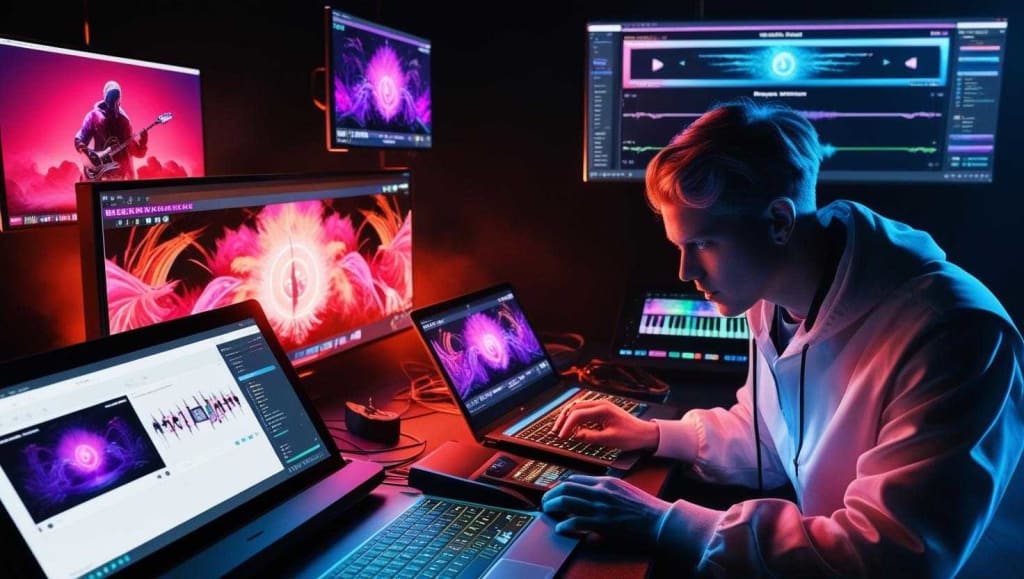
Artificial intelligence continues to reshape creative production across the music industry. In 2026, AI music video generators are no longer experimental tools—they have become essential resources for independent musicians, marketing teams, and digital creators seeking faster and more scalable visual production.
Modern AI video systems analyze audio structure, rhythm, and emotional tone to automatically build visually synchronized content. These tools help creators reduce editing time while still maintaining creative direction and stylistic control.
Most AI music video platforms now operate through subscription models, typically ranging between $5 and $30 monthly depending on video duration, rendering quality, and customization features. While each platform serves a similar goal, their workflows, strengths, and creative flexibility vary significantly.
Below is an overview of several widely used AI music video platforms in 2026 and how they support different creative needs.
BeatViz AI
BeatViz ai focuses on translating musical structure directly into cinematic visual storytelling. The platform is designed around audio interpretation rather than general video generation, making it particularly appealing for musicians and producers.
Users can upload audio tracks and guide visual generation through descriptive prompts that define atmosphere, tone, and environment. BeatViz emphasizes beat precision and emotional pacing, helping transitions and scene shifts align naturally with the flow of the track.
The platform also supports high-resolution output and rapid cloud-based rendering, allowing creators to move from raw audio to finished video in a short timeframe.
Best suited for:
- Beat-driven music videos
- Creators prioritizing fast production timelines
- Artists seeking prompt-based cinematic visuals
- Social media and streaming platform releases
LTX Studio
LTX Studio supports structured, multi-scene video production. It provides shot-by-shot editing tools that allow creators to control pacing, storytelling structure, and scene transitions within a unified workspace.
Because of its feature depth, LTX Studio is often preferred by teams or creators working on narrative-driven content. However, beginners may require additional time to fully learn the interface.
Best suited for:
• Narrative music videos
• Multi-scene storytelling projects
• Production teams needing collaborative control
Neural Frames
Neural Frames specializes in audio-reactive visuals that dynamically respond to changes within the soundtrack. The platform supports advanced customization and high-resolution rendering options, including 4K outputs.
While rendering speed may be slower compared to automation-focused tools, Neural Frames attracts creators who prioritize visual precision and experimental aesthetics.
Best suited for:
• Audio-reactive animation projects
• Experimental visual art
• High-quality resolution production
Kaiber
Kaiber is recognized for stylized and expressive visual content. It is frequently used for lyric videos, promotional visuals, and artistic social media content. Timeline-based synchronization allows users to refine pacing manually when needed.
The platform supports longer video durations, making it practical for extended musical pieces.
Best suited for:
• Stylized or abstract music visuals
• Promotional social media content
• Projects requiring extended runtime
Runway
Runway operates as a flexible AI video production toolkit. Instead of focusing solely on music videos, it provides text-to-video generation, compositing tools, and visual experimentation options. Creating a full music video often involves assembling multiple generated clips.
Runway appeals to creators who prefer hands-on editing and cinematic experimentation.
Best suited for:
• Creative film-style projects
• Users comfortable with manual editing workflows
• Advanced visual experimentation
Sora
Sora emphasizes realistic video generation and cinematic scene building. The platform supports iterative prompt experimentation, allowing creators to explore live-action style visuals generated through AI models.
Its collaborative and community-driven environment encourages visual experimentation, though output consistency can vary depending on project complexity.
Best suited for:
• Realistic visual storytelling
• Cinematic experimentation
• Iterative creative testing
Pika
Pika provides a simplified environment for testing prompt-driven video concepts. It allows users to experiment with multiple AI visual styles within a single interface. Many creators use Pika during early concept development before moving to full production tools.
Advanced rendering features are typically unlocked through premium plans.
Best suited for:
• Visual concept testing
• Early-stage music video development
• Style experimentation
Choosing the Right AI Music Video Platform
Selecting the ideal tool depends heavily on creative workflow preferences. Some creators prioritize automation, while others prefer manual control over scenes and transitions.
Key evaluation factors include:
• Accuracy of beat synchronization
• Level of creative customization
• Rendering speed and resolution options
• Ease of workflow for beginners or teams
• Support for multiple video formats and aspect ratios
Important Features Defining AI Music Video Tools in 2026
Most modern platforms focus on several core capabilities:
• Beat-aware scene and transition generation
• Mood-driven visual pacing
• Multi-resolution export support
• Prompt-based visual creation
• Faster preview and iteration tools
These features allow creators to experiment more freely while maintaining visual consistency across projects.
Best Practices for Creating AI Music Videos
To improve overall production quality, creators often follow several strategies:
• Begin with a professionally mixed audio track
• Use automated presets as a foundation
• Experiment with multiple visual prompts before finalizing
• Carefully review pacing and transition timing
• Combine AI visuals with traditional editing techniques when necessary
Frequently Asked Questions
What makes an AI music video tool suitable for professional production?
Reliable beat synchronization, visual consistency, and flexible customization features are essential for professional results.
How do AI systems synchronize visuals with music?
AI analyzes tempo, frequency patterns, and tonal transitions to align motion and scene changes with audio structure.
Can AI generate realistic music video visuals?
Recent AI models can produce highly realistic and cinematic visuals depending on prompts, training models, and rendering quality.
Are AI-generated videos customizable?
Yes. Most platforms allow creators to adjust prompts, pacing, visual style, and scene structure.
How long does AI video generation typically take?
Most tools generate previews within minutes, while full-resolution rendering may take longer depending on project length and complexity.
Final Thoughts
AI music video generators are becoming essential creative partners for modern content production. Rather than replacing human creativity, they expand the speed, flexibility, and accessibility of visual storytelling. As AI video technology continues evolving, creators gain more opportunities to experiment and publish high-quality content without traditional production limitations.
About the Creator
Beat Viz ai
Transform your tracks into stunning, ready-to-share music videos — fast, effortless, and fully customizable.
Keep reading
More stories from Beat Viz ai and writers in Lifehack and other communities.
Why Creators Feel Rushed in the Age of Endless Content
Not long ago, creative work followed a slower, more deliberate rhythm. Artists had time to sit with ideas, revise them, and release their work when it felt ready. Today, that rhythm has changed. Creativity now lives inside an attention-driven digital world where timing often matters as much as talent.
By Beat Viz ai13 days ago in Lifehack
When a Piano Changes Address in Sarasota
In Sarasota, Florida, moving a piano is rarely treated as a simple task. It is approached with care, hesitation, and often a surprising amount of emotion. This is because a piano is never just an object in a home. It is a witness. It has listened to conversations, absorbed silences, and filled rooms with sound during moments that mattered. When it comes time to move it, people often realize they are not just relocating an instrument, but carrying a piece of their personal history into a new chapter.
By House Doctora day ago in Lifehack
Carepod vs Miro Humidifier: Which Easy-to-Clean Humidifier Is Right for
Dry air can be a real pain, so when people ask about Carepod vs Miro humidifier, I get why the choice matters. I notice how things like cold U.S. winters, indoor heating, and easy cleaning shape what actually works at home, and I like focusing on the details that affect day-to-day comfort. Here’s what stands out, where each falls short, and which one may fit your space better—stick with me and you’ll know which way to go.
By Mohammed mamun2 days ago in Lifehack
Writing About Writing: The Rainbow Trap
The good thing about living in modern times is that LGBTQ representation in media is increasing. Not just in niche and Independant media, either, but also in mainstream media. Books, movies, TV shows, comics... they're finally catching on that LGBTQ+ people form a significant part of their audience, and deserve to see themselves on screen and in fiction, not just as victims in documentaries and true crime shows.
By Natasja Rose7 days ago in Writers



Comments
There are no comments for this story
Be the first to respond and start the conversation.