
6 Signs Your Home’s Siding Is Begging To Be Replaced
These are six signs that your home’s siding is begging to be replaced. Learn about different siding issues and how to recognize them in a timely manner.

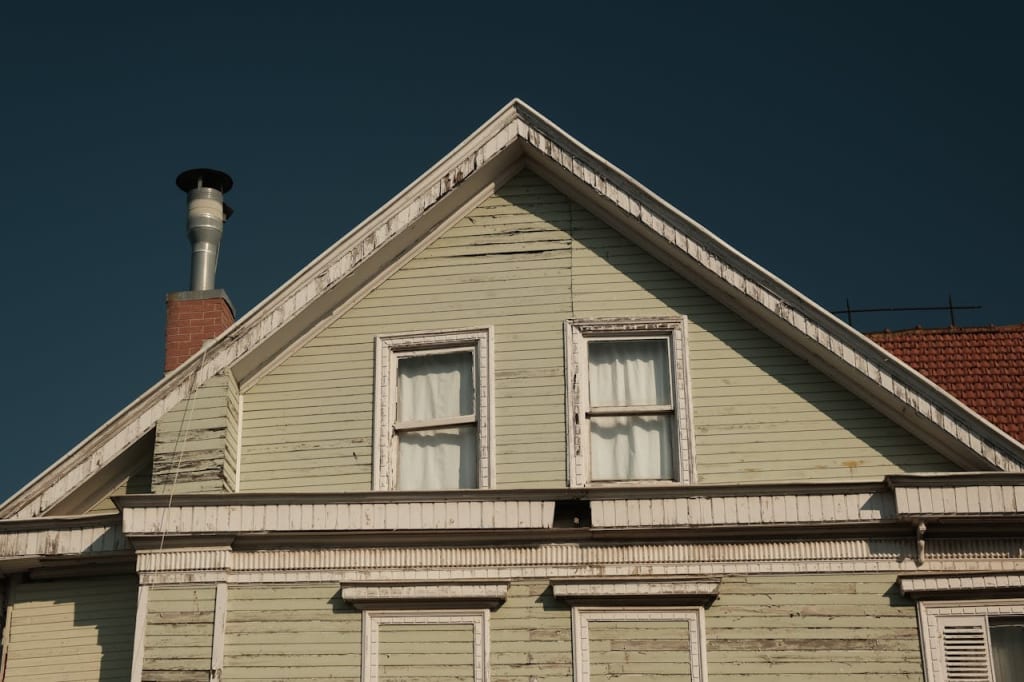
Your home’s siding plays a vital role in not only protecting your house from the elements and providing insulation, but also in contributing to its curb appeal and overall aesthetic. While many types of siding can last for years, even decades, it is important to have the ability to recognize the signs of worn or damaged siding that needs to be replaced. Staying on top of the condition of your home’s siding and replacing siding when necessary directly contributes to the appeal and function of your home.
Understanding Your Home’s Siding and Its Importance
Siding is a critical component of your home that serves many different purposes. First and foremost, siding acts as a shield for your home against the outside elements, including wind, rain, snow, and sun exposure. Without siding, the material foundation of your home would be exposed to these elements, allowing it to become weathered and damaged. Home comfort and energy use are also impacted by siding, as siding serves as an insulator for your home.
Beyond protection, siding plays a major role in the appearance of your home. The color, style, and condition of your siding are the first things people see and take note of. Maintaining your siding is critical for maintaining the value and curb appeal of your home.
There are a few different types of materials available for siding on the market today. The most common siding options include vinyl siding, fiber cement siding, wood siding, and stucco. Regardless of which type of siding you have, maintenance is essential. Here are six signs that will help you know when your home’s siding is begging to be replaced.
1. Loose or Missing Panels
Loose or missing panels are one of the most evident signs of siding in need of repair or replacement. Wind, rain, and other elements can cause this issue over time and it is important to take a proactive approach when it comes to fixing loose or missing panels. In many instances, loose panels can be secured back into place without having to replace them. However, missing or damaged panels will require replacement to restore proper appearance and uniformity.
2. Visible Cracks, Warping, and Other Abnormalities
Visible damage is a telltale sign that it may be time for siding replacement. This visible damage can include cracks, warping, and rotting. Vinyl and fiber cement siding is prone to warping, while wooden siding is prone to rotting. Damage like this can be harmful to more than just your home’s siding. Issues like cracks and warping can allow moisture and pests into your home. Routine siding inspections can help you stay ahead of damage and prevent unexpected costs and repairs.
3. Frequent Repainting Needed
Siding that does not hold paint as well as before is another indication that the siding may be damaged and in need of replacement. Peeling or fading paint can often be a sign of a material deterioration. Not only does this result in less visual appeal, but deteriorated siding materials can also provide less protection for your home. If you notice paint peeling or fading sooner than expected, your siding can likely benefit from replacement.
4. Soaring Energy Costs
Your siding plays an integral role in providing insulation for your home. Rising energy costs in the form of higher heating or cooling bills can be a sign of damaged siding and the need for home siding replacement. Replacing old or damaged siding goes hand-in-hand with replacing old windows and insulation when it comes to optimizing the comfort of your home. Plus, many siding materials used today provide superior insulation when compared to older counterparts.
5. Presence of Fungus, Mold, or Mildew
Fungus, mold, and mildew can all be signs of water infiltration into your siding, especially if spotted at or near the panel seams. Excessive mold, mildew, or fungus can indicate the presence of water underneath the siding, where it can reach the contents of your home. Water-damaged siding should be replaced in a timely fashion to prevent further damage to surrounding siding or other aspects of your home.
6. Interior Wall Damage
Not every sign of siding needing to be replaced is evident from the outside. Peeling paint, sagging walls, and water stains on interior walls can all be indicators that your siding is damaged and in need of replacement. Often, signs like these are indicative of a prolonged problem that may also be associated with foundation issues. Replacing damaged or faulty siding can alleviate many issues inside of your home related to water exposure.
Home Siding Replacement: Adding Value, Protection, and Appeal
Replacing your home’s siding can be a significant investment, but it is one that adds more value, protection, and appeal to your home. If you are experiencing any of the signs listed above, you should contact a local siding expert in your area to schedule a siding contractor home visit. They can take a closer look at your siding and make recommendations for repair or replacement based on their findings. While simple repairs may suffice for smaller issues, a full siding replacement is often the best choice for larger siding problems.
Don’t let damaged or faulty siding bring down the comfort, curb appeal, or energy efficiency of your home. Keep a close eye on the condition of your siding in order to maintain its condition and function for many years to come!
About the Creator
Andrew Lemieux
Andrew is a creative writer, poet, and content strategist. He is passionate about literature, food, wine, travel, and sports. In his spare time he enjoys working on home projects and restoring the 1837 Greek Revival he and his wife own.
Keep reading
More stories from Andrew Lemieux and writers in Lifehack and other communities.
Layering Rugs: The Designer Trick for Creating Depth and Texture
Maybe you’re a minimalist, preferring clean lines, light colors, and few pieces. Perhaps you’re a maximalist, embracing the “grandmillenial” design style predicated on bold colors, patterns, and stuffed rooms. Either way, home is a soft place to land, laugh, and live.
By Andrew Lemieux11 months ago in Lifehack
The Digital Mess Behind Small Businesses: How They Finally Get Organized
The Chaos Behind Every Small Business Most small business owners spend a surprising amount of their day buried in digital clutter. An invoice arrives through WhatsApp. A contract sits somewhere in an email thread. Last month's spreadsheet is on a laptop that is not even in the room. Important business information ends up scattered across apps, devices, and inboxes, and pulling it all together becomes a daily scavenger hunt.
By Jacob Estrella3 days ago in Lifehack



Comments