
Layering Rugs: The Designer Trick for Creating Depth and Texture
Your home should be a haven.


Maybe you’re a minimalist, preferring clean lines, light colors, and few pieces. Perhaps you’re a maximalist, embracing the “grandmillenial” design style predicated on bold colors, patterns, and stuffed rooms. Either way, home is a soft place to land, laugh, and live.
Layered rugs are one of the best ways to create a home that is warm and welcoming—and has the flexibility to work with any style.
Layering rugs adds depth, warmth, and, in some cases, stories to your home. It’s not as simple as just putting down multiple rugs in a room, though. There is an art to the approach. Create the feeling in your own place with these designer tricks to create depth and texture.
Consider the Space
The beauty of layering rugs is you can often bring in pieces that aren’t traditionally the right size for a room. However, you still have to think about where to display the rug in your home.
Is the rug threadbare and irreplaceable? Don’t place it in a space with a lot of foot traffic. Will you need to move a chair across the rug, such as in an office or dining room? Then you don’t want a thick one in that area. Are you looking to cover a hallway? The best move there could be lining runner rugs end-to-end, just layering the ends, as opposed to having any fully layer each other. Do you want to create a natural walkway for guests in a room? Turn rugs in such a way as to naturally draw their attention.
By considering the space first, you can best match each rug to where it’s meant to be.
Begin Neutral, Then Build
If you’re layering rugs in a larger space, such as a living room or bedroom, start with a neutral and flat base. A smaller rug might have the color, pattern, and texture you’re looking for but isn’t large enough to carry a room on its own. By placing a large, neutral rug down first, you cover the space while still allowing the smaller rug to be the star of the show.
Make sure this base layer is a thin rug, generally around ¼”, and with a rug pad so as not to cause tripping hazards when you start stacking thicker rugs on top. This base layer should also align with the room’s orientation as much as possible, thus keeping the shape of the room in place before adding other layers.
Once you have a flat, neutral base, start layering rugs by size. Depending on the thickness level, you could layer up to three rugs.
Anchor Furniture
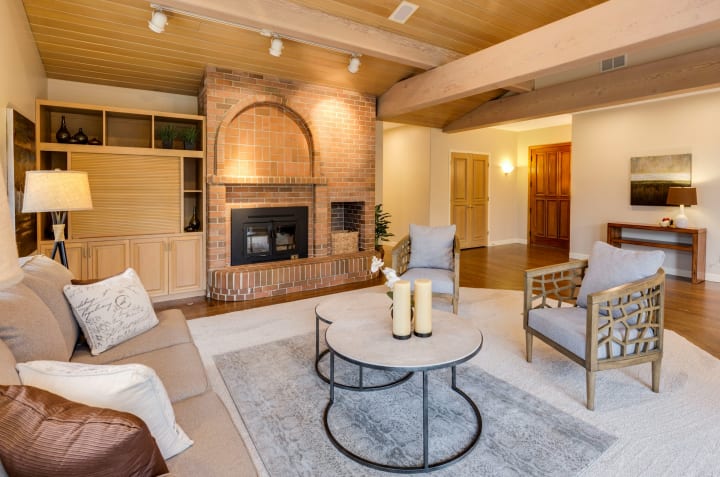
As you build up layers by size, try to use some rugs to anchor furniture, such as a coffee table, bed, or entry table. Having the edges of your layers meet under a big piece of furniture can cause an unbalanced look. Since your base layer is placed relative to the shape of the room, you are afforded the ability to move the other layers around a bit, so even if your furniture isn’t in the center of the room, that’s alright. By placing smaller rugs relative to furniture as opposed to the walls, you can create vignettes within the room.
Be Creative
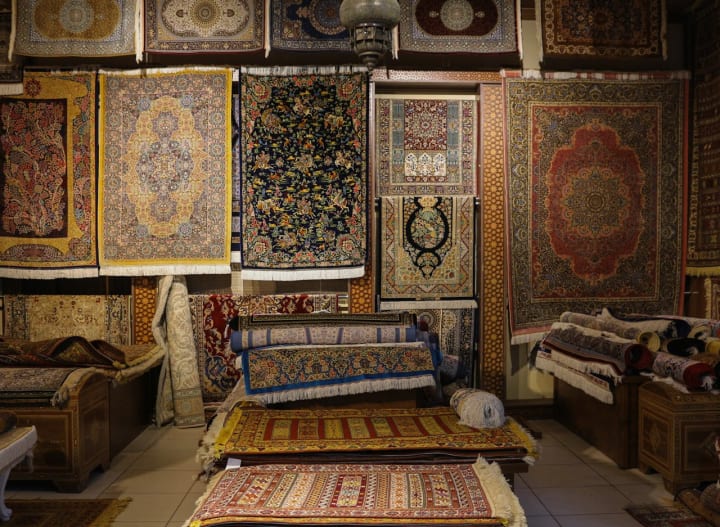
Rugs can be works of art. Antique rugs are particularly vibrant and intricate. They carry with them stories of lands afar and years past. These rugs make a room come alive like few other pieces can. Use the multiple patterns and colors found in Persian rugs to add depth and warmth to a room. These are often the style that works best as the aforementioned end-to-end runners in a hallway.
Have a Connecting Thread
As you get creative with colors and patterns, find and keep a connecting thread between each layer and piece. Pieces such as hooked rugs can offer exciting designs with lots of colors. Having multiple color palettes, though, can create a clash that is jarring to the eye. Whether using one primary color to connect each layer or the same hue of color amongst neighboring layers, just one consistent thread can create a cohesive look to the naked eye.
Change Layers Out With the Season
Having multiple layers provides a bit more ease when switching out the top rugs. As the seasons change, take advantage of this by switching some of the rugs in your home. Thinner, lighter rugs work better for summer, while you could want a thicker fabric and deeper color during colder months. This also allows you to move the top layers around should you need to move furniture around the holidays.

Embrace Your Style
While the concept of layering rugs can seem heavy, especially if using bold colors and patterns, that doesn’t always have to be the case. If your style is the minimalist approach, utilize all neutral hues, thin heights, and mid-century modern fabrics such as jute to manufacture the same warmth and coziness of layered rugs while staying within the design to which you gravitate.
About the Creator
Andrew Lemieux
Andrew is a creative writer, poet, and content strategist. He is passionate about literature, food, wine, travel, and sports. In his spare time he enjoys working on home projects and restoring the 1837 Greek Revival he and his wife own.
Keep reading
More stories from Andrew Lemieux and writers in Lifehack and other communities.
Seasonal Cleaning: How to Tackle Allergens and Keep Your Home Fresh in Every Season
The amount of dust in the air and pollen count can vary depending on the season. This can make keeping an allergen-free home challenging. This post will examine the things you have to do to keep the air in your home clean and safe no matter what time of year it is or what kind of home or building you own.
By Andrew Lemieuxabout a year ago in Lifehack
United States Self Storage Market to Reach USD 35.8 Billion by 2034, Growing at 1.73% CAGR
Access panels light up. Security cameras rotate quietly. Roll-up doors lift in synchronized rows across suburban corridors. Inside, furniture waits between leases. Inventory rests between sales cycles. Boxes hold documents that no longer fit in shrinking closets.
By Ashutosh Srivastava6 days ago in Lifehack




Comments
There are no comments for this story
Be the first to respond and start the conversation.