
10 Reasons Why Vinyl Siding Is an Upgrade for Your Home
Why Homeowners Rely on Vinyl Siding for Long-Term Benefits
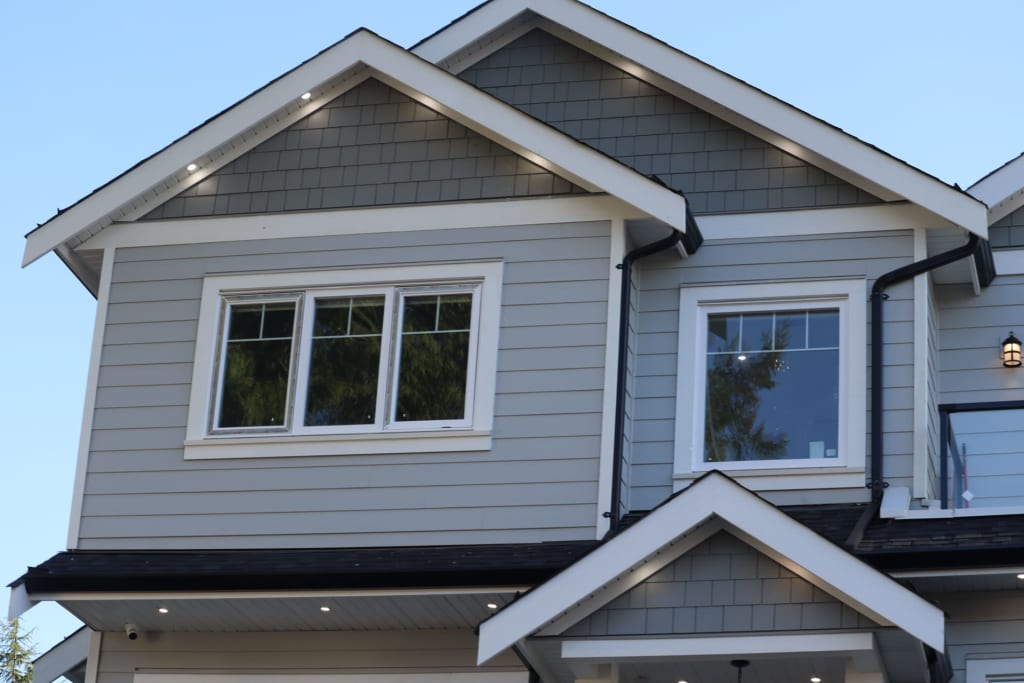
Vinyl siding remains a favored option for homeowners looking to improve their property’s exterior with a mix of strength, efficiency, and visual charm. It acts as a protective barrier against the elements while demanding little upkeep. Many homeowners recognize vinyl siding as a valuable investment due to its extended lifespan and financial advantages. This guide breaks down the essential reasons why it serves as a smart exterior enhancement.
1. Vinyl siding raises property value
Many homeowners aim to upgrade their home’s exterior without undergoing major renovations. Vinyl siding presents a cost-effective way to increase a home's market value significantly. A well-maintained facade plays a crucial role in drawing in buyers, making this enhancement a practical financial choice.
- Research from the National Association of Realtors suggests that installing new vinyl siding can recover over 75% of its upfront cost during resale.
- A clean, contemporary exterior captivates potential buyers and boosts property demand.
- Properly fitted siding shields the structure against water damage, minimizing future repair costs.
2. Durable composition ensures long-lasting performance
Many exterior materials degrade rapidly, leading to repeated and expensive repairs. Vinyl siding, however, is designed to resist harsh weather conditions and maintain its integrity for years. This durability makes it a superior alternative to wood or metal siding.
- Data from the U.S. Census Bureau shows that vinyl siding is the most widely used exterior material in newly built homes due to its resilience.
- Unlike wood, it does not suffer from warping, rotting, or insect infestations.
- High-quality vinyl withstands extreme weather, including heavy storms, freezing temperatures, and high winds.
3. Energy-efficient design cuts heating and cooling expenses
Controlling indoor temperatures efficiently can significantly lower utility bills. Insulated vinyl siding helps reduce heat loss during colder months and keeps homes cooler during warmer seasons.
- The U.S. Department of Energy acknowledges insulated siding as a reliable way to improve home energy efficiency.
- Reduced thermal loss allows heating and cooling systems to operate more effectively, leading to long-term savings.
- Many products meet Energy Star standards, ensuring top-tier insulation performance.
4. Low-maintenance material simplifies upkeep
Certain exterior materials demand regular upkeep, such as painting or sealing. Vinyl siding eliminates these time-consuming chores, making it an excellent option for homeowners seeking low-effort maintenance.
- Routine cleaning requires nothing more than a hose and mild detergent.
- No need for repainting, staining, or frequent sealing treatments.
- Resistant to mildew and mold, maintaining a fresh appearance for years.
5. Cost-efficient exterior upgrade with strong return on investment
Smart home improvements balance initial expenses with long-term benefits. Vinyl siding offers an economical solution that provides significant financial gains over time.
- Installation costs are lower compared to brick, stone, or wooden siding.
- Minimal maintenance requirements translate to fewer ongoing expenses.
- Enhanced insulation properties contribute to notable energy savings.
6. Weather-resistant materials offer dependable protection
Homes constantly endure exposure to the elements, which can lead to gradual deterioration. Vinyl siding is engineered to withstand severe conditions, ensuring reliable protection for years.
- UV-resistant technology helps prevent color fading and maintains a vibrant finish.
- Water-resistant properties inhibit moisture accumulation and structural damage.
- High-wind-rated siding can endure gusts exceeding 100 mph.
7. Eco-friendly siding supports sustainable living
Many homeowners prioritize environmentally responsible building materials. Vinyl siding manufacturers now produce sustainable options that contribute to reducing environmental impact.
- Numerous brands incorporate recycled materials to limit waste.
- Some products contain post-consumer plastics, promoting sustainability.
- Insulated varieties contribute to reduced energy use, lowering carbon footprints.
8. Fire-resistant properties improve household safety
Fire protection remains an essential consideration for every homeowner. Vinyl siding has built-in resistance to flames, adding an extra layer of security.
- The National Fire Protection Association reports that vinyl siding does not ignite easily and self-extinguishes once the flame source is removed.
- It has a lower combustion rate than traditional wood siding.
- Complies with strict building regulations for fire safety in residential areas.
9. Customizable styles complement different architectural designs
A home’s exterior should showcase the owner's personal style. Vinyl siding is available in a vast selection of textures, shades, and patterns to match various architectural preferences.
- Designs mimic natural wood, cedar shakes, and stone finishes.
- Available in both bold and neutral color palettes to suit diverse aesthetics.
- Architectural trim options allow for a completely tailored look.
10. Professional installation enhances siding performance
Even high-grade materials need expert installation to function optimally. Working with experienced contractors ensures that vinyl siding delivers maximum benefits.
- Certified professionals guarantee precise installation for lasting durability.
- Improper installation can lead to water infiltration, structural issues, and decreased efficiency.
- A properly installed siding system enhances home protection and longevity.
Key Takeaways About Vinyl Siding as a Practical Investment
- Vinyl siding increases property value while improving exterior appeal.
- Sturdy materials withstand wear and tear, reducing long-term costs.
- Energy-efficient designs help cut heating and cooling expenses.
- Minimal maintenance saves time and eliminates unnecessary repairs.
- Fire resistance, eco-conscious production, and customizable options make it a valuable upgrade.
Frequently Asked Questions About Vinyl Siding Investment
What is the lifespan of vinyl siding?
Premium-grade vinyl siding typically lasts between 30 and 40 years, depending on climate conditions and maintenance.
What is the best way to clean vinyl siding?
A gentle soap and water solution is usually enough to remove dirt and grime. Pressure washing can be used cautiously when needed.
Does insulated vinyl siding justify the additional expense?
Yes, insulated siding enhances a home's thermal efficiency and significantly reduces heating and cooling costs over time.
Can vinyl siding be installed over existing exterior materials?
Yes, in some situations, but it depends on the condition of the current siding and local building codes.
Are there any disadvantages to vinyl siding?
While highly durable, vinyl siding can crack upon severe impact, and its color cannot be repainted once installed.
About the Creator
Keep reading
More stories from Piper Burch and writers in Lifehack and other communities.
7 Powerful Ways NAD Enhances Brain Restoration Wellness
Nicotinamide adenine dinucleotide, or NAD, is a crucial molecule that sustains brain vitality. This indispensable coenzyme fuels cellular energy production, shields neurons from degeneration, and supports long-term cognitive resilience. As NAD levels diminish with aging, the brain becomes increasingly prone to exhaustion, memory challenges, and cellular dysfunction. Learning how NAD fosters brain restoration wellness highlights the importance of maintaining optimal levels.
By Piper Burchabout a year ago in Lifehack
You're alone, because you're lost
Being alone is a fear that one in three adults face WORLDWIDE. Why? Are we scared to be alone because we are faced with all of our thoughts we once tried to suppress? Or are we scared because we feel uncomfortable? Uncomfortable with the idea of being in a room with just you. You and your nasty thoughts. Thoughts like “Damn I should've apologized”, or “Why hasn't he texted me back?” or “I am a failure”. Yea. those thoughts. The forbidden thoughts that come sneak by the midnight hour, ...if you're lucky. You see loneliness doesn't have to be this way. It all starts with you.
By C⃣ h⃣ a⃣ n⃣ e⃣ l⃣6 days ago in Lifehack
Top tipple tricks
Been thinking a lot about drinking, lately. Not least because of a recent episode of over-indulgence and the inevitable after effects. Some readers may recall the earlier articles I wrote about beating the booze. Here I set out an experiment in techniques for cutting down on my alcohol intake. The experiment was successful, the techniques worked, and I have armed myself with an arsenal of weapons in the war against the demon drink. I have yet to fire the first round however. It's all a question of timing (perhaps procrastination).
By Raymond G. Taylor5 days ago in Psyche




Comments
There are no comments for this story
Be the first to respond and start the conversation.