
5 Ways Medical Power Supplies Improve Healthcare Efficiency
Medical Power Supplies

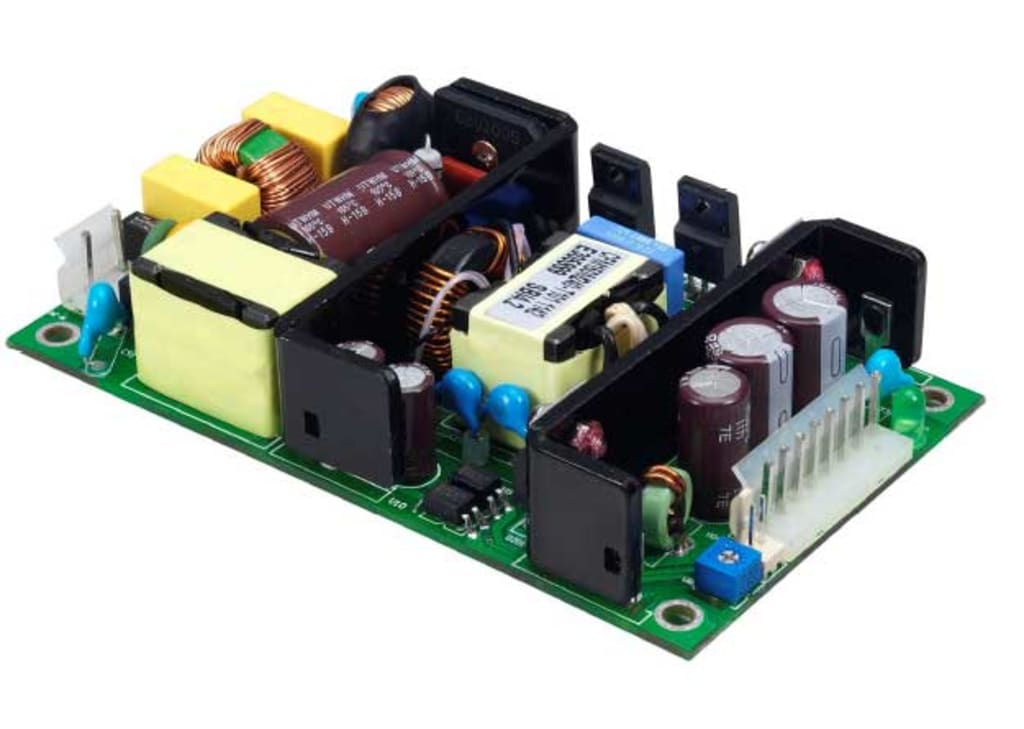
In the healthcare industry, efficiency is critical, and reliable medical power supplies play a key role in ensuring medical devices and systems function seamlessly. From patient monitoring systems to diagnostic equipment, a consistent and safe power supply can enhance the performance of medical facilities and the care they provide. In this blog, we will explore five ways medical power supplies improve healthcare efficiency, ensuring that hospitals and clinics can provide the best care with minimal interruptions.
1. Ensuring Continuous Operation of Critical Devices
Medical facilities rely on numerous devices that require a constant and uninterrupted power supply to operate efficiently. Medical power supplies are designed with high reliability in mind to support equipment such as:
- Ventilators
- Heart monitors
- MRI and CT scan machines
- Infusion pumps
These devices are often used for life-critical operations, where even a brief interruption in power could have severe consequences. Medical-grade power supplies offer built-in safeguards, such as backup power options and uninterruptible power supplies (UPS), to maintain continuous operation, reducing the risk of equipment failure and increasing overall healthcare efficiency.
Impact on Efficiency:
- Prevents delays in treatment and diagnostics
- Reduces the need for manual interventions
- Ensures timely patient care, improving outcomes
2. Enhancing the Safety of Medical Devices
Safety is a top priority in healthcare environments, and medical power supplies are designed to meet stringent safety standards. These power supplies comply with rigorous regulations, such as IEC 60601, which ensures they can operate safely in sensitive environments, such as operating rooms and intensive care units (ICUs).
Medical power supplies are equipped with features like isolation barriers, which protect patients and healthcare professionals from electrical faults. They also reduce electromagnetic interference (EMI), which can disrupt the functioning of other medical equipment.
Impact on Efficiency:
- Minimizes the risk of device malfunctions and accidents
- Reduces downtime due to safety issues
- Helps maintain compliance with safety regulations, avoiding legal or operational disruptions
3. Reducing Downtime and Maintenance Needs
Unplanned equipment downtime can significantly hinder healthcare operations, leading to delays in diagnostics and patient care. Medical power supplies are engineered for durability and long-term use, reducing the frequency of breakdowns and the need for maintenance.
Many modern power supplies incorporate self-diagnostic features that monitor the system's health and predict failures before they occur. This proactive approach allows healthcare facilities to address potential problems during scheduled maintenance, avoiding unscheduled interruptions.
Impact on Efficiency:
- Reduces operational downtime, increasing the availability of critical devices
- Lowers maintenance costs and minimizes the need for emergency repairs
- Extends the lifespan of medical equipment
4. Supporting Portable and Wearable Medical Devices
In today's healthcare landscape, portability is increasingly important, with an emphasis on mobile and wearable medical devices. These devices allow for remote patient monitoring, giving healthcare providers access to real-time data and reducing the need for in-person visits.
Portable medical devices, such as blood glucose monitors, portable oxygen concentrators, and wearable heart monitors, rely on compact, efficient, and long-lasting power supplies. High-quality, energy-efficient power solutions enable these devices to function reliably over long periods, improving patient care both inside and outside the hospital.
Impact on Efficiency:
- Enables continuous patient monitoring without the need for hospitalization
- Reduces the load on healthcare facilities by allowing remote care
- Improves patient outcomes through real-time data tracking
5. Improving Energy Efficiency and Reducing Costs
Energy efficiency is a growing concern in the healthcare industry, where facilities run numerous energy-intensive devices. Medical power supplies are designed with energy efficiency in mind, optimizing power consumption and reducing waste. By implementing energy-efficient power solutions, hospitals and clinics can cut operational costs while maintaining the same level of care.
Additionally, the use of efficient power supplies can reduce heat generation, which in turn minimizes the need for additional cooling systems in medical environments. This contributes to overall cost savings and promotes a greener healthcare facility.
Impact on Efficiency:
- Lowers energy costs for healthcare facilities
- Reduces the environmental footprint of medical operations
- Decreases the need for additional cooling systems, saving on utility expenses
Conclusion
Medical power supplies are more than just components—they are integral to the smooth and efficient operation of healthcare facilities. By ensuring continuous operation, enhancing safety, reducing downtime, supporting portability, and improving energy efficiency, these power supplies directly contribute to better patient outcomes and more efficient healthcare systems. As the demand for advanced medical technology grows, the role of reliable power supplies will only become more critical in improving healthcare efficiency and quality of care.
About the Creator
SMX Power
At SMX Power you’ll find all the open frame and adapter power supplies and AC/DC converters you’ve been looking for within our extensive, low priced selection.



Comments
There are no comments for this story
Be the first to respond and start the conversation.