
What Are Medical Power Supplies and Why Are They Important?
Medical Power Supplies

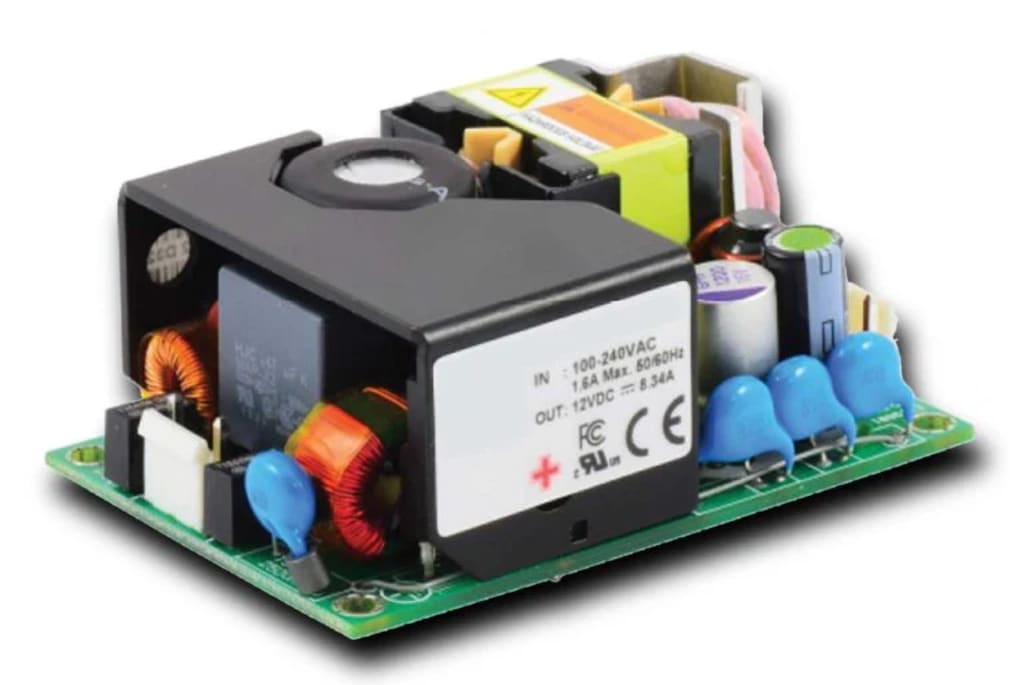
In the rapidly advancing field of healthcare, technology plays a crucial role in diagnosing, treating, and monitoring patients. One critical yet often overlooked component of this technology is the medical power supply. Medical power supplies are specialized devices designed to provide clean, reliable, and safe electrical power to medical equipment. They serve as the backbone for the operation of life-saving devices such as ventilators, defibrillators, imaging systems, and more. In this blog, we will explore what medical power supplies are, how they work, and why they are so important in the healthcare industry.
What Are Medical Power Supplies?
Medical power supplies are devices that convert electrical energy from a primary source, such as an outlet, into a form that medical devices can use. They ensure that medical equipment receives a stable and regulated supply of electricity. While power supplies in other industries may not need to meet specific standards, those used in healthcare must adhere to strict guidelines to guarantee patient safety and device reliability.
Key Characteristics of Medical Power Supplies
- Isolation: To prevent electrical shock, medical power supplies are designed with isolation features. This ensures that the patient and operator are protected from potentially harmful electrical currents.
- Low Leakage Current: Medical power supplies must have minimal leakage current to prevent interference with sensitive medical equipment and reduce the risk of electric shock.
- High Efficiency: Efficient power supplies are essential in medical settings to minimize heat generation, ensuring that equipment operates safely without overheating.
- Compliance with Standards: These power supplies must comply with global standards like IEC 60601-1, which governs safety, performance, and electromagnetic compatibility of medical electrical equipment.
Types of Medical Power Supplies
There are different types of medical power supplies depending on the application and the requirements of the equipment they power:
1. AC-DC Power Supplies: These are the most common types and are used to convert alternating current (AC) from the wall outlet into direct current (DC) needed for many medical devices.
2. DC-DC Converters: These are used when the equipment operates on different levels of direct current and needs conversion between DC voltages.
3. Battery Backup Systems: In environments where uninterrupted power is essential, such as hospitals, battery backup systems ensure that critical medical devices continue to function even during a power outage.
Why Are Medical Power Supplies Important?
1. Ensuring Patient Safety
Safety is the top priority in any medical environment. Medical power supplies are designed with stringent safety measures to protect patients and healthcare providers from electrical hazards. Devices like defibrillators or dialysis machines require steady and reliable power to function correctly; any interruption or fluctuation in the power supply could put patients at serious risk. Additionally, low leakage current and electrical isolation features further safeguard patients from unintended electrical contact.
2. Reliability in Critical Situations
In hospitals, clinics, or even home healthcare settings, medical devices must operate consistently and without failure. Many life-saving machines, such as ventilators or heart monitors, rely on medical power supplies for uninterrupted operation. If these power supplies fail, it could result in device malfunction or complete shutdown, potentially leading to life-threatening situations. High-reliability power supplies ensure that medical devices work as intended, even during power surges or electrical disturbances.
3. Compliance with Industry Standards
Medical power supplies are required to meet specific regulatory standards. Compliance with IEC 60601-1 and other safety standards ensures that these power supplies are designed to handle the unique challenges of the medical environment. For example, they must be built to withstand high levels of usage, resist environmental factors such as humidity and temperature fluctuations, and be compatible with other medical equipment.
4. Preventing Device Interference
Sensitive medical equipment like MRI scanners and ECG monitors can be easily affected by electromagnetic interference (EMI) from poorly designed power supplies. Medical-grade power supplies are engineered to minimize EMI, ensuring that these devices function accurately and provide reliable data. Accurate diagnostic readings are essential for effective patient care, and interference-free equipment operation is a key contributor to this accuracy.
5. Energy Efficiency and Sustainability
Medical facilities often run a wide array of devices simultaneously, making energy efficiency an important factor in managing operational costs. Medical power supplies are designed to be energy-efficient, reducing heat output and conserving power. Not only does this lower the energy bills, but it also contributes to the sustainability efforts of healthcare institutions by reducing their carbon footprint.
Applications of Medical Power Supplies
Medical power supplies are used across a wide range of applications within the healthcare industry, including:
- Diagnostic Devices: Equipment such as MRI machines, X-ray systems, and ultrasound machines depend on stable power to generate accurate images for diagnosis.
- Therapeutic Devices: Devices like dialysis machines, infusion pumps, and ventilators require consistent power to deliver treatments without interruption.
- Monitoring Equipment: Patient monitoring systems, including ECGs, blood pressure monitors, and oxygen saturation devices, rely on medical power supplies for continuous operation and data recording.
- Home Healthcare Devices: Medical power supplies also play a critical role in home healthcare devices, such as oxygen concentrators and portable infusion pumps, allowing patients to receive treatment outside of a hospital environment.
Conclusion
Medical power supplies may not be the most visible component in healthcare technology, but their importance cannot be overstated. From ensuring patient safety to providing reliable power for critical devices, they are integral to the functioning of modern medical systems. As healthcare technology continues to evolve, the role of medical power supplies will only grow in significance. Investing in high-quality, compliant power supplies is essential for healthcare providers to deliver safe, effective, and uninterrupted care to patients.
About the Creator
SMX Power
At SMX Power you’ll find all the open frame and adapter power supplies and AC/DC converters you’ve been looking for within our extensive, low priced selection.
BPC-157 + TB-500: The Peptide Duo for Advanced Healing
The Peptide Therapy Duo Everyone’s Talking About If you’re struggling with slow recovery, nagging injuries, or ongoing inflammation, you may have heard about peptide therapy—especially the combination of BPC-157 and TB-500. This powerful duo is gaining attention in the wellness and recovery world for its potential to help the body heal naturally.
By Hazel Jackson6 days ago in Lifehack
Being Human Is Heavy
No one tells you that being human comes with a weight you cannot put down. Not when you’re born, not when you learn to walk, not even when you learn to love. It arrives quietly, accumulating over years, stacking itself in invisible layers until one day you wake up tired for no clear reason. You blame sleep. You blame work. You blame age. But the truth is simpler and harder: being human is heavy.
By LUNA EDITHabout 15 hours ago in Lifehack


Comments
There are no comments for this story
Be the first to respond and start the conversation.