
12 POWERFUL Health Benefits Of Eating Pumpkin Seeds Daily
health

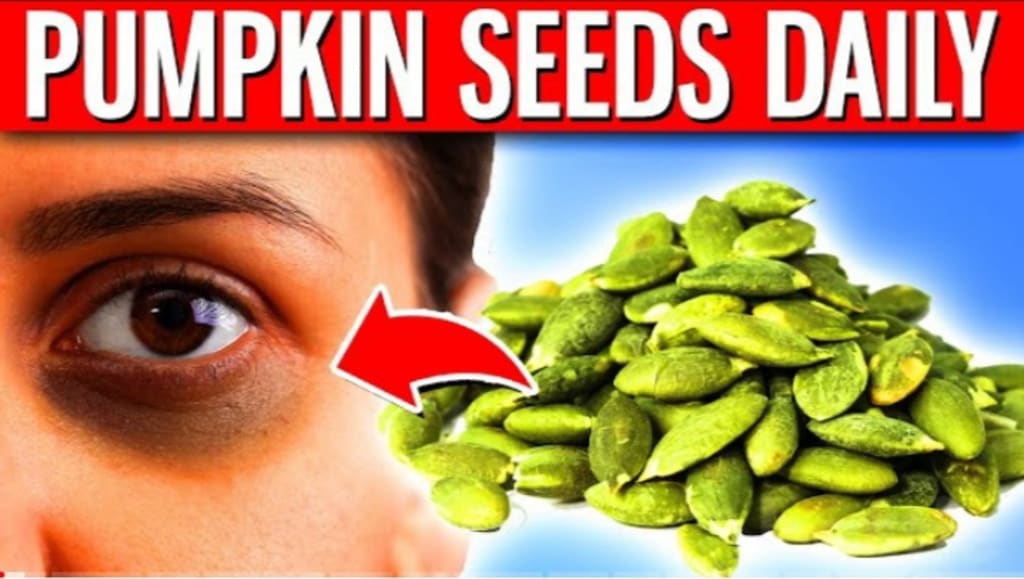
If you are a fan of crunchy seeds, then you already know how mighty pumpkin seeds can become. These tiny, crunchy seeds, often overlooked, are brimming with health-boosting nutrients, making them a must-have in your diet. Packed with a rich tapestry of vitamins, minerals, and antioxidants, pumpkin seeds offer a range of benefits, from enhancing heart health to improving sleep quality.
Whether you're looking to boost your immune system, support prostate health, or simply add a nutritious crunch to your meals, pumpkin seeds are a versatile and delicious choice.
But do the health benefits of these tiny seeds that everyone seems to be raving about really exist? we will find out in detail.
Heart Health: Pumpkin seeds enhance heart health chiefly through their magnesium content, with an ounce providing roughly 156 mg, accounting for about 40% of the daily recommended intake. Magnesium helps regulate blood pressure and maintains a regular heart rhythm, thereby reducing the risk of heart arrhythmias and cardiovascular diseases.
Additionally, pumpkin seeds are rich in antioxidants, including vitamin E, carotenoids, and other compounds that protect the heart by neutralizing harmful free radicals and reducing inflammation within the body, including in the blood vessels. This action helps prevent the buildup of plaque in the arteries, reducing the risk of atherosclerosis and heart attacks.
Furthermore, the presence of amino acids like arginine in pumpkin seeds aids in producing nitric oxide, a compound that helps expand blood vessels, improve blood flow, and reduce the risk of blood clots. The seeds also contain heart-healthy fats, including omega-3 and omega-6 fatty acids.
which have been shown to improve heart health by lowering levels of bad LDL cholesterol and increasing good HDL cholesterol in the blood. This balance is crucial for preventing cholesterol buildup and maintaining flexible, clear arteries.
One older study in 35 postmenopausal women found that pumpkin seed oil supplements reduced diastolic blood pressure by 7% and increased HDL good cholesterol levels by 16%.
Improved Sleep: If you have trouble sleeping, you may want to eat some pumpkin seeds before bed. They're a natural source of tryptophan, an amino acid that may help promote sleep. According to a 2014 study, consuming at least 1 gram of tryptophan daily is thought to improve sleep.
Note that you would need to eat around 170 g of pumpkin seeds to achieve the needed amount of tryptophan. Tryptophan's journey begins in the digestive system, moves into the brain, and converts into serotonin, a neurotransmitter that promotes calmness and well-being. As night falls, serotonin undergoes another transformation into melatonin, signaling to the body that it's time to sleep.
This sequence of biochemical reactions facilitated by the tryptophan in pumpkin seeds may lead to improved sleep quality and duration, especially when consumed a few hours before bedtime.
Prostate Health: Pumpkin seeds benefit prostate health primarily through their high zinc content, with about 10 mg per 100 g or nearly 90% of the daily recommended intake. Zinc is crucial for maintaining prostate health and function, as it is found in high concentrations in the prostate gland.
This mineral plays a key role in modulating testosterone levels and reducing the conversion of testosterone to dihydrotestosterone, a hormone associated with prostate enlargement.
Regular consumption of pumpkin seeds may help maintain optimal zinc levels, thus preventing the swelling of the prostate and reducing the risk of prostate disorders. Pumpkin seeds may help relieve symptoms of benign prostatic hyperplasia, a condition in which the prostate gland enlarges, causing problems with urination.
In a study with 73 patients, pumpkin seed oil consumption was able to reduce the symptoms. You may also expect the same result by consuming pumpkin seeds.
Better Bone Health: In the United States, around 48% of adults have a magnesium intake below the recommended daily amount. Magnesium is needed for more than 600 chemical reactions in your body. Pumpkin seeds are one of the best natural sources of magnesium, a mineral that is often lacking in the diets of many Western populations.
Moreover, magnesium is essential for bone formation, as it influences the activity of osteoblasts and osteoclasts, cells responsible for the development and maintenance of bone structure.
Additionally, magnesium helps convert vitamin D into its active form, enhancing calcium absorption in the bones, a critical process for maintaining bone density and strength. Furthermore, pumpkin seeds contain other minerals beneficial for bones, such as phosphorus and manganese.
Phosphorus works alongside calcium to build strong bones and teeth, while manganese is involved in bone formation and helps improve bone mineral density, reducing the risk of fractures.
Improved Bladder Function: Pumpkin seeds may enhance bladder function through various mechanisms. Firstly, their high nutrient content, especially in phytoestrogens and omega-3 fatty acids, may reduce inflammation in the bladder tissue, which is beneficial for conditions like interstitial cystitis or a generally sensitive bladder.
These components help soothe the bladder lining and reduce irritation, leading to fewer symptoms like pain or urgency. Secondly, pumpkin seeds are believed to aid in the prevention of bladder stone formation due to their diuretic properties. They encourage urine production, which helps flush out toxins and prevents the buildup of minerals that may lead to stones.
Moreover, the zinc found in pumpkin seeds plays a role in enhancing bladder control by strengthening the muscles that help the bladder retain or release urine effectively. This is particularly beneficial for individuals experiencing urinary incontinence or bladder weakness. One older study in 45 people with overactive bladders found that taking 10 g of pumpkin seed oil extract daily improved urinary function.
Weight Management: Pumpkin seeds aid in weight management through their high fiber and protein content. The fiber in pumpkin seeds binds with water in the stomach, expanding in volume and making you feel full longer, which naturally curtails calorie intake. Protein is also known to play a supportive role in weight loss, helping improve appetite, prevent overeating, and promote feelings of fullness.
A 72 g serving of pumpkin seeds without their shell provides 21 g of protein, and a 23 g serving of seeds with their shells on provides 7 g. Meanwhile, the protein content boosts metabolism, as the body expends more energy to digest protein compared to fats or carbohydrates, a process known as the thermic effect of food, further contributing to weight loss.
Boosted Immune System: You may know that zinc is crucial for the immune system, as it is involved in the development and function of immune cells, particularly white blood cells like neutrophils and lymphocytes, which protect the body against infections and diseases. Apart from that, iron in pumpkin seeds is vital for the development of white blood cells, which is crucial for identifying and attacking pathogens.
An adequate iron level supports the proliferation of T cells and the production of cytokines that regulate immune responses, ensuring the body can effectively fight off infection. Along with that, vitamin E, a powerful antioxidant in pumpkin seeds, protects cell membranes from oxidative stress, including those of immune cells. This protection helps maintain the integrity and function of these cells, allowing them to respond more efficiently to pathogens.
Vitamin A, although present in smaller amounts, is essential for maintaining mucosal barriers, including the skin, intestines, and respiratory tract, which act as the first line of defense against infections. It also aids in the development and function of white blood cells, enhancing the body's ability to respond to microorganisms.
Pumpkin seeds are an abundant source of many phenolic compounds, such as ferulic acid, apigenin, and coumarin, etc. Flavonoid and phenolic compounds possess good antioxidant properties and enhance the immune system by strengthening the defense system of our body.
Skin Health: The omega-3 and omega-6 fatty acids in pumpkin seeds help to maintain the skin's lipid barrier, which is essential for retaining moisture and protecting against environmental damage. This may lead to smoother, more hydrated skin. Additionally, the zinc in pumpkin seeds supports skin regeneration and healing by promoting new cell production and maintaining collagen, thus aiding in the repair of damaged skin and preventing premature aging.
Moreover, pumpkin seeds are packed with antioxidants, including vitamin E, carotenoids, and selenium, which help to combat oxidative stress from environmental pollutants and ultraviolet radiation. These antioxidants neutralize harmful free radicals, reducing inflammation and protecting skin cells from damage.
Studies have indicated that pumpkin seeds may have beneficial effects on skin health, including the potential to improve conditions like bacterial skin infections, due to their anti-inflammatory and antimicrobial properties.
Improved Digestion: Pumpkin seeds are a great source of dietary fiber. Shelled seeds provide about 2 g of fiber in a single 28 g serving. Pumpkin seeds contain a balanced mix of soluble and insoluble fiber. Soluble fiber absorbs water and forms a gel-like substance, slowing down digestion and contributing to nutrient absorption and satiety.
Insoluble fiber, on the other hand, adds bulk to fecal material and speeds up its movement through the gut, helping to alleviate and prevent constipation.
Moreover, the magnesium in pumpkin seeds further supports digestive health by relaxing the muscles in the digestive tract, which may help to reduce gastrointestinal discomfort and spasms. Magnesium also plays a role in maintaining fluid balance in the gut, making stools easier to pass.
Diabetes Management: Magnesium in pumpkin seeds plays a crucial role in glucose control and insulin sensitivity. It influences the release and activity of insulin, the hormone responsible for regulating blood sugar levels. By improving insulin efficiency, magnesium may help lower blood sugar levels, making pumpkin seeds a beneficial snack for those managing diabetes.
Moreover, the rich dietary fiber in pumpkin seeds slows the absorption of sugar into the bloodstream, preventing spikes in blood glucose levels following meals.
This slow release helps maintain steady blood sugar levels, which is crucial for diabetes management. One study in healthy adults found that those who consumed meals containing 65 g of pumpkin seeds had lower blood sugar levels after a high-carb meal.
Liver Health: Pumpkin seeds contribute to liver health primarily through their rich content of healthy fats, antioxidants, and essential nutrients. One ounce of pumpkin seeds offers significant amounts of omega-3 and omega-6 fatty acids, which help reduce liver inflammation and protect against fatty liver disease.
These unsaturated fats support the liver's process of detoxification and reduce the accumulation of harmful substances in the liver cells.
Furthermore, pumpkin seeds are packed with antioxidants, including vitamin E and selenium. These antioxidants combat oxidative stress in the liver, a common contributor to liver disease. They neutralize harmful free radicals, protecting liver cells from damage and promoting liver health.
In an animal study for 28 days, pumpkin seed flour showed notable health improvements, including lower serum triglycerides, higher cholesterol excretion, and reduced liver fat accumulation, indicating the flour's potential for managing lipid levels and protecting liver health.
Hair Growth: Pumpkin seeds promote hair health mainly through their high zinc content. Zinc is essential for hair growth and repair, as it aids in the production of protein and collagen, which are vital components of hair.
It also supports the oil glands around the follicles, working to keep the scalp conditioned and prevent dandruff, which may otherwise hinder hair growth. Moreover, pumpkin seeds are a good source of L-arginine, an amino acid that improves blood flow, including to the scalp.
Enhanced blood circulation ensures that hair follicles receive adequate nutrients and oxygen, leading to healthier and more robust hair growth. In a 24-week randomized study involving 76 men with androgenetic alopecia, 400 milligrams of pumpkin seed oil showed a 40% increase in hair count.
How should you consume pumpkin seeds? Incorporating a handful or 28 g of pumpkin seeds into your diet is both easy and versatile, and generally safe:
Snacking: Enjoy raw or roasted pumpkin seeds as a healthy, portable snack. You may eat them plain or season them with your favorite spices, such as salt, garlic powder, or cayenne pepper, for added flavor.
Salads: Sprinkle a handful of pumpkin seeds over your salads for a crunchy texture and a nutrient boost.
Breakfast: Add pumpkin seeds to your morning routine by mixing them into oatmeal, yogurt, or smoothies. They may also be sprinkled over cereal or incorporated into homemade granola.
Homemade Trail Mix: Create your trail mix by combining pumpkin seeds with nuts, dried fruit, and a touch of dark chocolate for a healthy snack.
Seed Butter: Process pumpkin seeds in a food processor until smooth to make pumpkin seed butter, which may be spread on toast or used as a dip for fruits and vegetables.
Are there any potential downsides? While pumpkin seeds are generally safe and beneficial for most people, there are a few potential risks to consider:
Allergic Reactions: If you experience symptoms such as itching, swelling, or difficulty breathing after consuming pumpkin seeds, seek medical attention immediately.
Digestive Issues: Due to their high fiber content, consuming large quantities of pumpkin seeds may lead to digestive discomfort, such as bloating, gas, or constipation.
Caloric Intake: Pumpkin seeds are relatively high in calories and fat. Over consumption may lead to weight gain.
The myriad health benefits of pumpkin seeds are as diverse as they are significant, from fortifying heart health and enhancing sleep to supporting bone strength and managing weight. These small seeds pack a powerful nutritional punch.
Whether tossed into a salad, blended into a smoothie, or simply snacked on throughout the day, pumpkin seeds are a versatile addition to any meal.
Always consult your healthcare professional before making any significant changes to your diet.
About the Creator
Keep reading
More stories from srinivasan chandra govindharaj and writers in Lifehack and other communities.
Eat Kimchi EVERY DAY For 30 Days, SEE Happens To Your Body!
Howdy, Foodies! Do you enjoy spicy food? Do you want to include healthier options in your diet? If yes, a jar of kimchi is just what you need. If you haven't already heard, fermented foods are the new hype in the nutrition world. They come in a variety of textures, tastes, and colors. They also have some amazing health benefits.
By srinivasan chandra govindharajabout a year ago in Lifehack
“I Forgot How to Be Bored (And It Was Ruining My Focus)”
Let’s be real—my phone was low-key ruining my life. I’m gonna be 100% honest: it got pretty embarrassing. I reached a point where I couldn’t even wait for the coffee to brew without my hand "magically" grabbing my phone. It wasn’t even a choice anymore; it was just this mindless, zombie-like reflex. I’d spend an hour scrolling through absolute junk and then realize I didn't remember a single thing I saw. My focus? Completely trashed.
By Demiana Louis Boshraabout 19 hours ago in Lifehack
The AI Ecosystem in 2026
By 2026, the ecosystem of artificial intelligence will have matured beyond experimentation and early adoption. It is now a complex, interconnected infrastructure shaping industries, markets, institutions, and everyday life. AI is no longer a niche technology: it is a foundational layer of the digital economy, much like the internet itself. Understanding this ecosystem requires looking beyond models and algorithms to the roles, relationships, and platforms that make AI an essential and sustainable force.
By Sathish Kumar 3 days ago in Lifehack


Comments
There are no comments for this story
Be the first to respond and start the conversation.