
10 Healthy Eating Habits for a Better Life
Do You Want a Longer, Healthier Life? The Secret Is in Your Food!

A well-balanced diet is one of the most powerful tools for improving overall health and longevity. According to research, following healthy eating habits can increase life expectancy and significantly reduce the risk of chronic diseases such as diabetes, heart disease, and obesity.
But what are the most effective eating habits to adopt? Below are ten essential dietary practices that can transform your well-being and help you live a healthier, more energetic life.
1. Eat a Balanced Breakfast
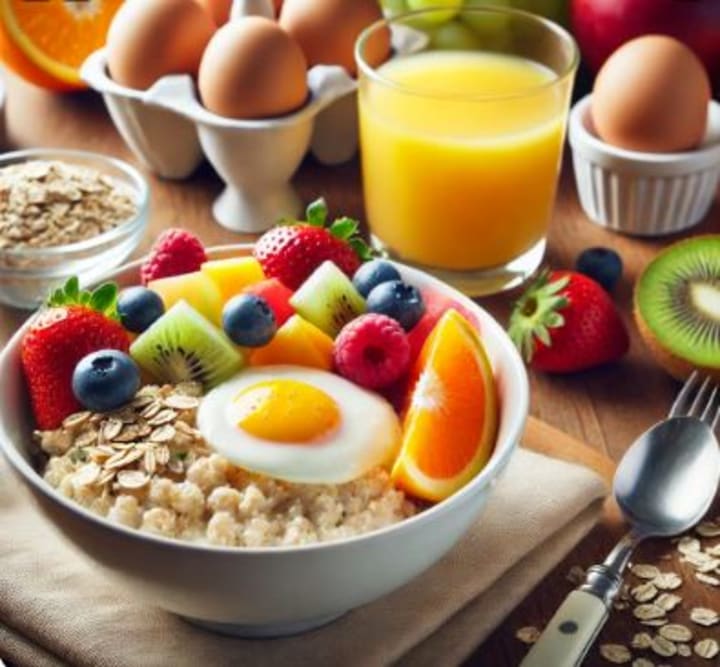
Breakfast plays a vital role in kickstarting your metabolism and enhancing focus throughout the day. A nutritious morning meal rich in protein, such as eggs, and fiber from oats or fruit helps keep you full longer and provides sustained energy. Studies suggest that a well-balanced breakfast supports cognitive function, stabilizes blood sugar levels, and prevents overeating later in the day.
Tips for a Healthy Breakfast:
- Include lean proteins like eggs, Greek yogurt, or nuts.
- Choose whole grains such as oats, whole wheat toast, or quinoa.
- Add fresh fruits or vegetables for extra fiber and vitamins.
- Avoid sugary cereals and highly processed breakfast foods.
2. Increase Your Intake of Fruits and Vegetables
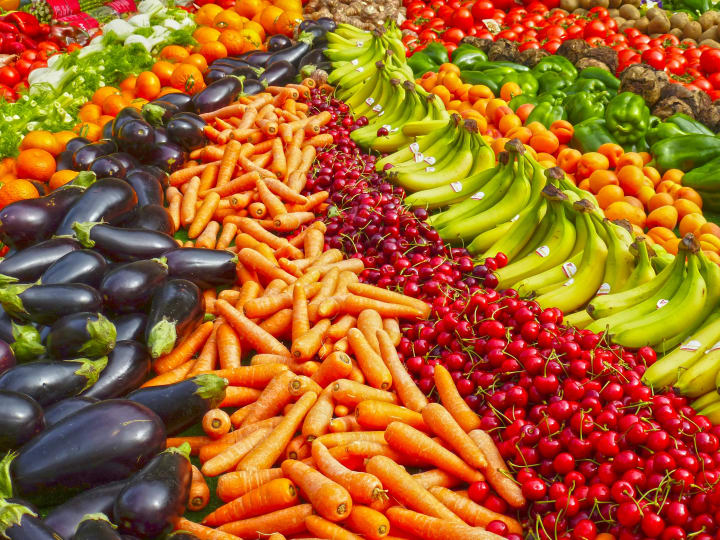
Eating a variety of fruits and vegetables daily is essential for overall health. These natural foods are packed with essential vitamins, minerals, and antioxidants that help fight inflammation and support the immune system.
Studies show that consuming at least five servings of fruits and vegetables daily lowers the risk of heart disease, stroke, and certain cancers. Dark leafy greens, berries, and citrus fruits are particularly beneficial due to their high nutrient content.
Ways to Add More Fruits and Vegetables:
- Start your meal with a fresh salad or vegetable soup.
- Snack on raw veggies with hummus or a handful of berries.
- Add spinach or kale to smoothies for extra nutrients.
- Include colorful vegetables in every meal.
3. Drink Water Regularly

Water is essential for every function in the body, from digestion to brain performance. Dehydration can lead to fatigue, headaches, and poor concentration. Health experts recommend drinking **at least 8 glasses of water per day**, though individual needs may vary depending on activity level and climate.
Hydration Tips:
- Carry a reusable water bottle and sip throughout the day.
- Infuse your water with lemon, cucumber, or mint for flavor.
- Drink water before meals to help control appetite.
- Limit sugary drinks like soda and artificial juices.
4. Reduce Added Sugar Consumption
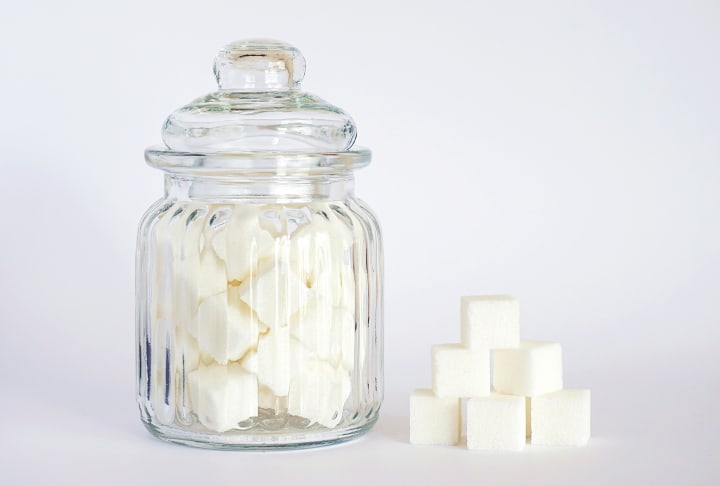
Excessive sugar intake is linked to an increased risk of obesity, type 2 diabetes, and heart disease. Sugary foods and beverages cause spikes in blood sugar levels, leading to energy crashes and cravings.
How to Cut Down on Sugar:
- Replace soda with herbal tea or fruit-infused water.
- Choose unsweetened yogurt and add fresh fruit for sweetness.
- Avoid processed snacks and opt for natural alternatives like nuts or dark chocolate.
- Read food labels and be aware of hidden sugars in packaged foods.
5. Choose Healthy Fats
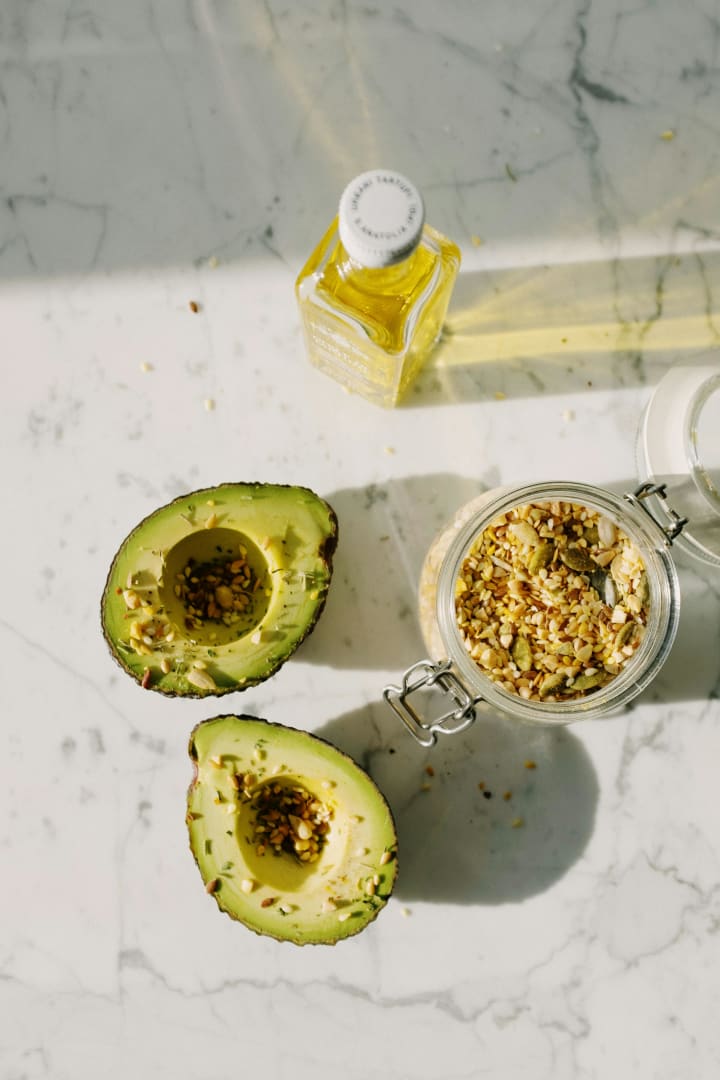
Not all fats are bad! Healthy unsaturated fats, found in nuts, olive oil, avocados, and fatty fish, support heart health and brain function. In contrast, trans fats and excessive saturated fats, found in fast food and processed snacks, should be avoided.
Best Sources of Healthy Fats:
- Avocados and olive oil for salads and cooking.
- Nuts and seeds for a satisfying snack.
- Fatty fish like salmon, mackerel, and sardines.
6. Increase Fiber Intake for Better Digestion
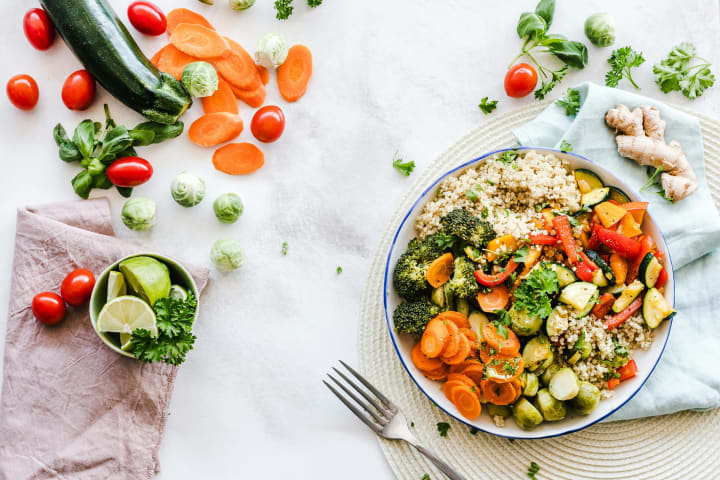
Fiber is essential for digestive health and helps prevent constipation, regulates blood sugar levels, and supports weight management. Whole grains, legumes, and vegetables are excellent sources of fiber.
Ways to Add More Fiber to Your Diet:
- Eat whole grain bread, brown rice, and quinoa instead of refined grains.
- Include beans and lentils in soups and salads.
- Snack on fiber-rich foods like almonds, chia seeds, and pears.
7. Limit Salt Intake

Excessive salt consumption is linked to high blood pressure and an increased risk of heart disease. The ''World Health Organization'' recommends keeping salt intake below ''5 grams per day'' to maintain heart health.
Simple Ways to Reduce Salt:
- Use herbs and spices instead of salt to enhance flavor.
- Choose fresh or frozen foods instead of processed ones.
- Check food labels for sodium content before purchasing.
8. Consume Healthy Proteins

Proteins are essential for muscle growth, tissue repair, and overall body function. Choosing lean, high-quality protein sources can improve energy levels and overall health.
Best Protein Sources:
- Lean meats like chicken and turkey.
- Plant-based proteins such as lentils, chickpeas, and tofu.
- Fish like salmon and tuna for heart-healthy omega-3s.
9. Reduce Processed Food Consumption

Processed foods often contain unhealthy fats, preservatives, and artificial additives that can negatively impact health. Reducing processed food intake is associated with a lower risk of obesity and heart disease.
Tips for Avoiding Processed Foods
- Cook meals at home using fresh ingredients.
- Choose whole foods instead of packaged snacks.
- Read ingredient labels to identify harmful additives.
10. Practice Intermittent Fasting
Intermittent fasting is a dietary pattern that involves alternating periods of eating and fasting. Research suggests that it helps improve insulin sensitivity, supports weight management, and may reduce inflammation in the body.
Popular Intermittent Fasting Methods:
- ''16/8 Method:''Fasting for 16 hours and eating within an 8-hour window.
- ''5:2 Diet'' Eating normally for five days and consuming fewer calories on two non-consecutive days.
Conclusion: Your Food Is the Key to a Healthy Life
Adopting these eating habits can significantly improve your quality of life and reduce the risk of chronic diseases. Start today with small steps—drink more water, eat more fresh foods, and choose healthier alternatives. Over time, these simple changes will lead to long-term health benefits and increased energy levels.
Which of these habits have you already adopted? Share it withyour freinds 😊
About the Creator
Keep reading
More stories from writers in Lifehack and other communities.
Between Innings
Ever heard of baseball? A game with rules, chalked lines, innings, and a crowd that believes effort guarantees reward. A game where timing is praised more than truth, and endurance is mistaken for choice. A game where people insist it’s fair because everyone is playing by the same rules. I feel like the ball.
By Gladys Kay Sidorenko2 days ago in Lifehack
If You’ve Always Done What You’ve Always Done
At the start of 2025, I started to post articles on my website under the category of ’52 Guiding Lights.' The goal was to share insights on sayings and idioms that aid daily life. I got up to number 16. The goal is to publish these as a management aid. However, we plan to release them in smaller batches, such as 12 at a time. That’s a year’s worth.
By Calvin London7 days ago in Lifehack
How, Too
Many people wonder how, too. You are not alone, and I am an expert. I will teach you how, too! First, you need to remit a small application fee and fill out an application describing the nature of your financial situation and how often payments will be made, as this will have great bearing on how well I teach you how, too.
By Harper Lewis8 days ago in Fiction



Comments
There are no comments for this story
Be the first to respond and start the conversation.